
The History of Jordan: A Land of Civilizations, Culture, and Timeless Heritage
Jordan is more than just a destination on the map — it is a living story of civilizations, empires, trade routes, faith, and resilience. Located in the heart of the Middle East, Jordan has witnessed thousands of years of human history, making it one of the richest cultural and historical lands in the world.
From ancient kingdoms carved into mountains to Roman cities, Islamic heritage, and modern nation-building, Jordan continues to preserve its identity while welcoming the world with warmth and hospitality.
The Earliest Civilizations in Jordan
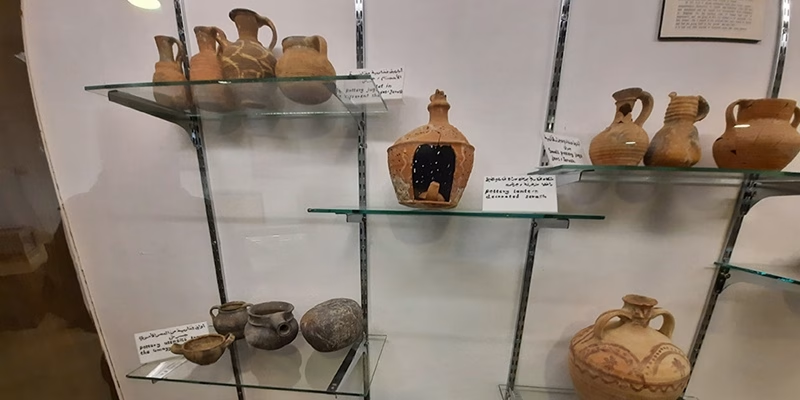
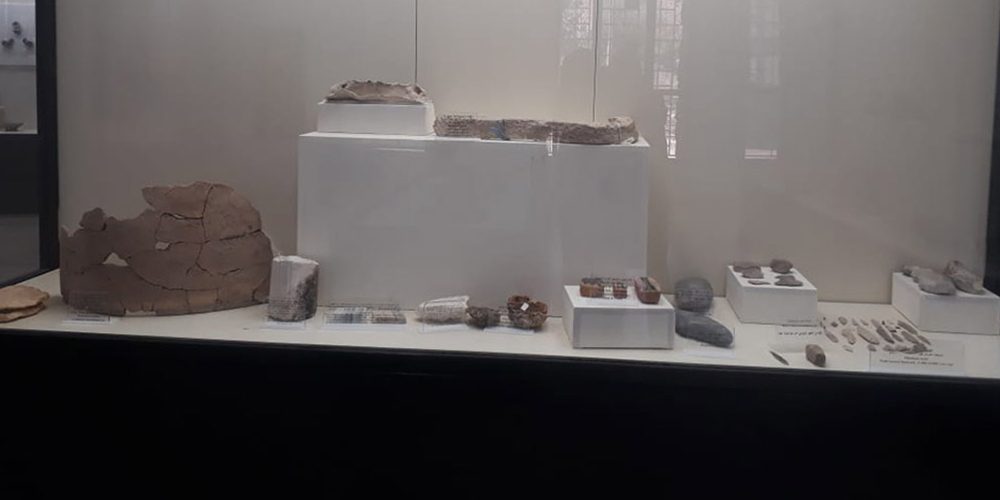
Human life in Jordan dates back thousands of years. Archaeological discoveries show that people lived in this region during the Paleolithic era, making Jordan one of the oldest continuously inhabited areas in human history.
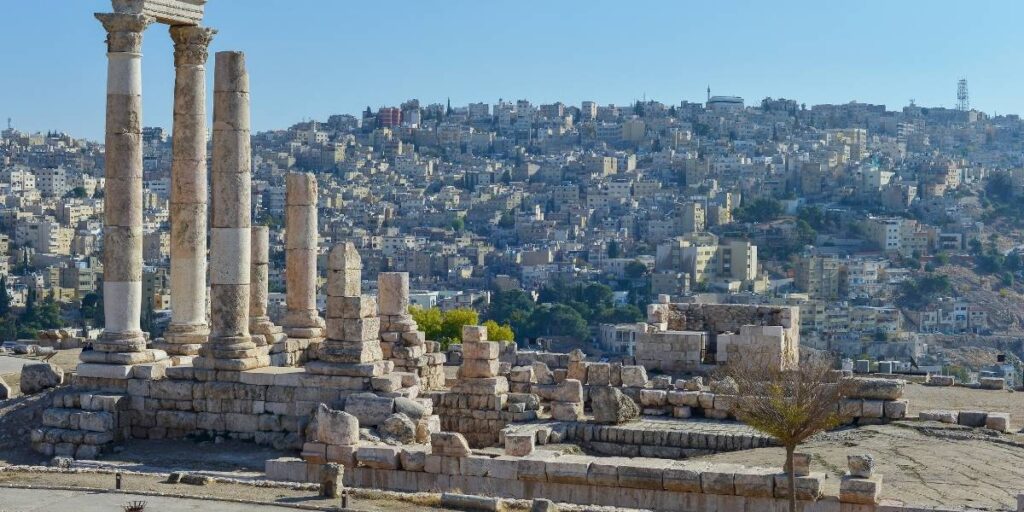
Ancient settlements such as Ain Ghazal near modern-day Amman revealed some of the world’s oldest human statues and organized communities, dating back more than 9,000 years.
Jordan’s fertile valleys and strategic location helped early civilizations flourish through agriculture, trade, and cultural exchange.
The Kingdoms of the Ancient East
Several ancient kingdoms emerged in Jordan throughout history, including:
- The Ammonites in present-day Amman
- The Moabites in central Jordan
- The Edomites in southern Jordan
These kingdoms played important roles in regional politics and trade routes connecting Arabia, the Levant, and Egypt.
The famous ancient road known as the King’s Highway passed through Jordan and became one of the oldest trade routes in the world.
The Nabataeans and the Rise of Petra
One of Jordan’s most iconic civilizations was the Nabataean Kingdom. The Nabataeans were skilled traders and architects who controlled major incense and spice trade routes across the region.
Their capital city, Petra, became one of the most extraordinary cities of the ancient world. Carved directly into rose-red sandstone mountains, Petra featured advanced water systems, temples, tombs, and markets.
Today, Petra is recognized as:
- A UNESCO World Heritage Site
- One of the New Seven Wonders of the World
- Jordan’s most famous historical treasure
Visitors from around the world continue to be amazed by the beauty and engineering brilliance of Petra.

Roman Jordan: Cities of Stone and Empire
Jordan later became part of the Roman Empire, leading to the development of impressive cities and infrastructure.
The city of Jerash is considered one of the best-preserved Roman cities outside Italy. Its colonnaded streets, theaters, temples, and plazas still stand today as a symbol of Jordan’s ancient grandeur.
These sites reflect Jordan’s importance as a center of culture, trade, and administration during Roman times.
The Islamic Heritage
Jordan holds deep importance in Islamic history. Many important battles and events took place on Jordanian land during the early Islamic era.
Historic Islamic sites in Jordan include:
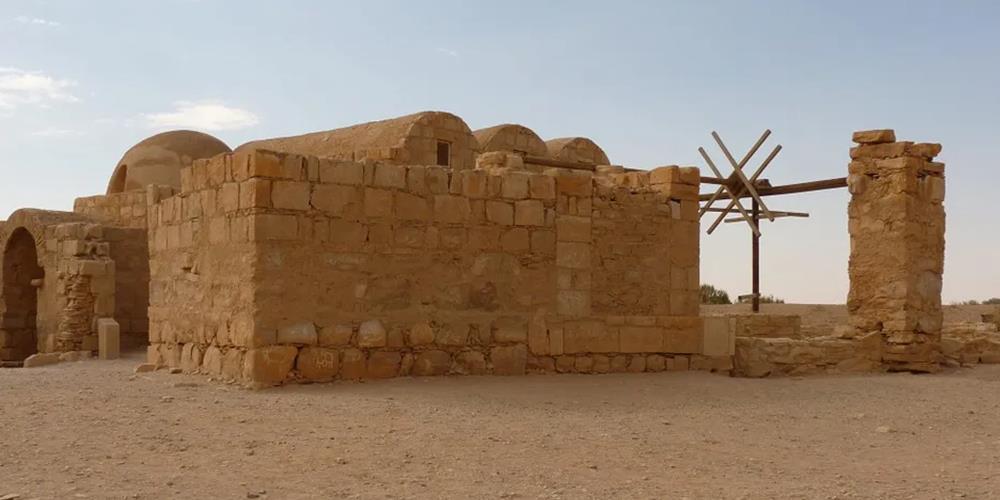
Jordan also became home to magnificent desert castles built during the Umayyad period, blending Islamic art, architecture, and desert life.
The Ottoman Era
Jordan remained part of the Ottoman Empire for centuries. During this period, towns and trade routes continued to develop across the region.
The construction of the historic Hejaz Railway connected Jordan with neighboring countries and played an important role in transportation and pilgrimage routes.
Many traditional markets, homes, and historic districts in Jordanian cities still carry Ottoman architectural influence today.
The Great Arab Revolt and the Birth of Modern Jordan
The Great Arab Revolt of 1916 marked a turning point in the history of Jordan and the wider Arab world. Launched against Ottoman rule during the First World War, the revolt was led by Sharif Hussein bin Ali of Mecca and supported by his sons and Arab forces seeking greater independence and self-determination.
The revolt soon reached the lands of present-day Jordan, where the vast desert, strategic railway lines and local tribal networks played an important role in the campaign. The Hejaz Railway, which connected Damascus with Medina, became a major strategic target. Railway stations, bridges and sections of track across southern Jordan were attacked as Arab forces advanced northward. Aqaba became particularly important after Arab forces captured the port in 1917, providing a crucial base for further operations.
The legacy of the revolt can still be explored across Jordan today. Aqaba, Wadi Rum and the desert landscapes of southern Jordan preserve strong connections with this period, while surviving Hejaz Railway stations and historic sites provide tangible reminders of the events that transformed the region.
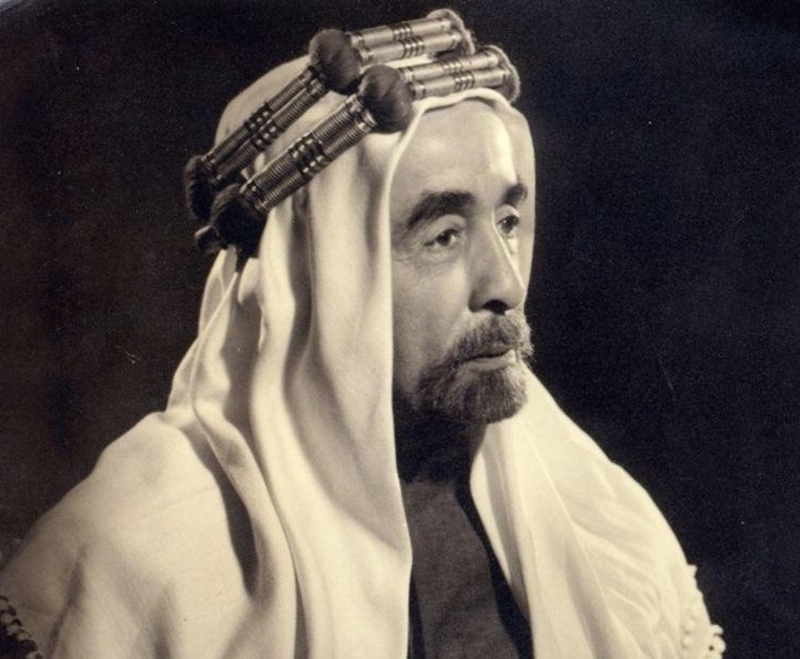
A new political chapter began after the First World War. In 1921, Emir Abdullah bin Al-Hussein, son of Sharif Hussein bin Ali, established the Emirate of Transjordan. From Amman, he began building the institutions of a new state, bringing together towns, villages and tribal communities across the territory and laying the foundations for modern Jordan.
On 25 May 1946, Transjordan achieved full independence and Emir Abdullah became King Abdullah I. The country became the Hashemite Kingdom of Transjordan and, in 1949, adopted the name by which it is known today: the Hashemite Kingdom of Jordan.
From the ancient civilizations that once crossed its lands to the political transformations of the twentieth century, Jordan’s modern identity has been shaped by a remarkable continuity between history, people and place. The Great Arab Revolt and the establishment of the Jordanian state represent the beginning of its modern national story—a story that visitors can still encounter in historic buildings, railway stations, museums, battle sites and landscapes throughout the country.
Today, Jordan combines this deep historical heritage with the institutions of a modern state. Its strategic location at the crossroads of the Middle East, together with its archaeological treasures, diverse communities and long tradition of hospitality, has made the Kingdom an important cultural and tourism destination and a significant regional center for diplomacy, education and international cooperation.
Jordan Under the Hashemite Leadership
Since the establishment of the Emirate of Transjordan in 1921, the Hashemite leadership has played a central role in shaping Jordan’s political institutions, national identity and development. Over more than a century, the Kingdom has experienced profound regional changes while continuing to build its institutions, infrastructure and connections with the wider world.
King Abdullah I laid the foundations of the modern Jordanian state and guided the country toward independence in 1946. During his reign, Amman developed as the country’s political and administrative center, while new institutions helped bring together communities across Jordan under an emerging national government.
Following the brief reign of King Talal, an important milestone came with the adoption of Jordan’s Constitution in 1952. King Hussein assumed his constitutional powers in 1953 and would lead Jordan for more than four decades. His reign coincided with some of the most challenging periods in the modern history of the Middle East, including wars, regional political upheaval, population movements and major economic and social transformations.
During these decades, Jordan expanded its education and healthcare systems, developed roads and public infrastructure, strengthened national institutions and experienced significant urban growth. Amman grew rapidly into a modern capital, while cities such as Aqaba, Irbid, Zarqa and other communities became increasingly important centers of economic and social life.
Jordan also developed an increasingly prominent diplomatic role. A major milestone came in 1994 with the signing of the peace treaty between Jordan and Israel, formally ending the state of war between the two countries.
King Abdullah II assumed his constitutional powers in 1999 following the death of King Hussein. Under his leadership, Jordan has continued to pursue economic modernization, infrastructure development, technological advancement, tourism investment and public-sector reform while navigating the continuing political and economic challenges affecting the region.
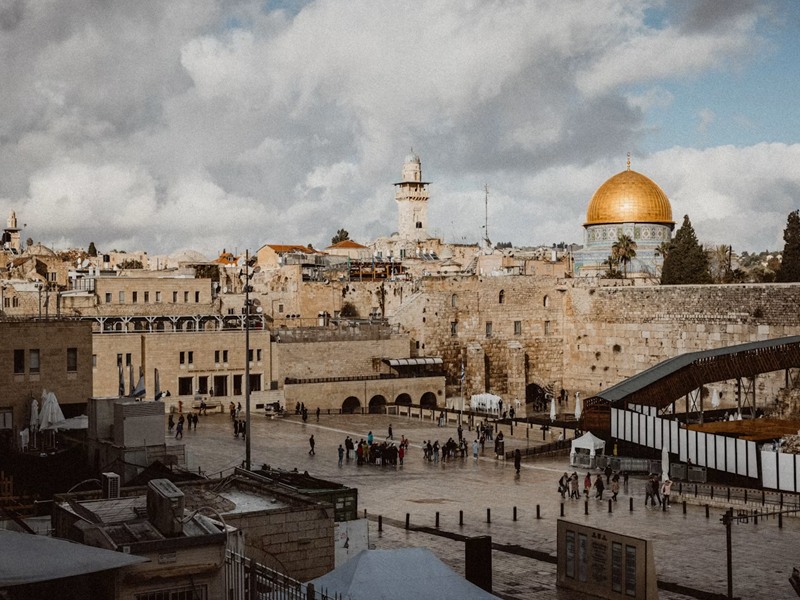
Jordan’s Hashemite heritage is also closely connected with the country’s religious and cultural identity. The Hashemite family traces its lineage to the Prophet Muhammad through his daughter Fatimah and her husband Ali ibn Abi Talib. The Hashemites have historically maintained a special association with the Islamic holy places, a tradition reflected today in Jordan’s Hashemite custodianship of Muslim and Christian holy sites in Jerusalem.
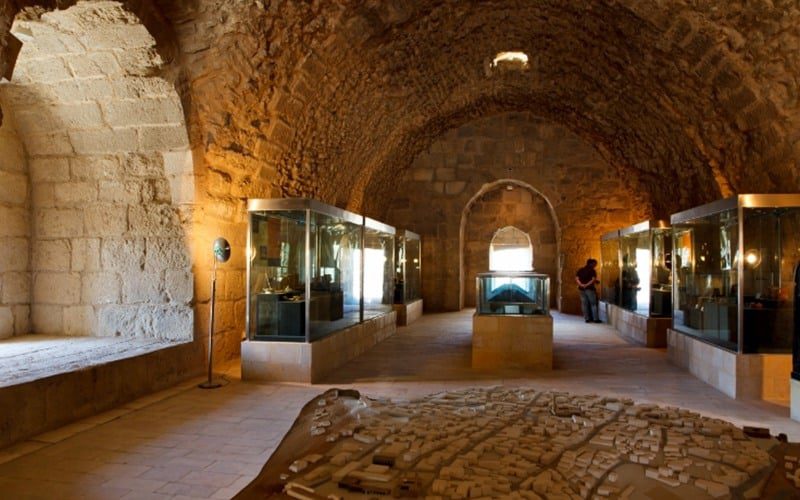
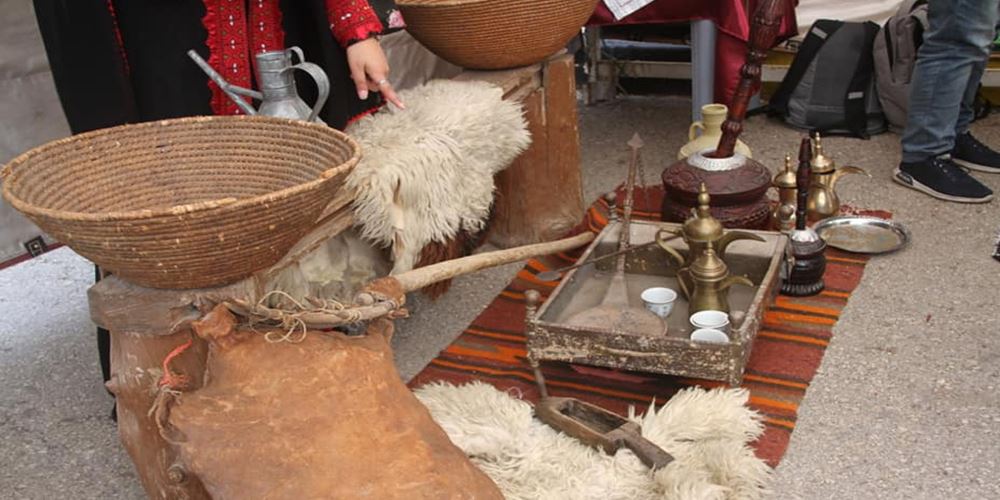
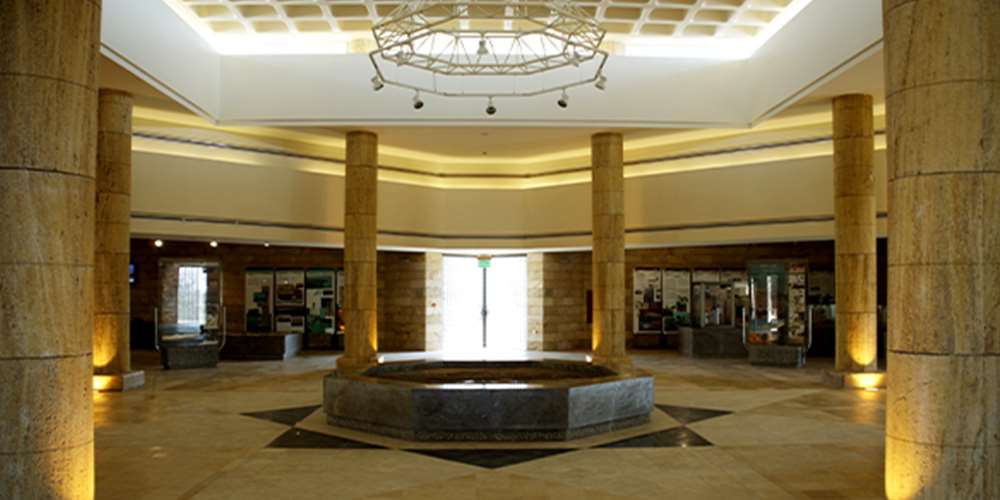
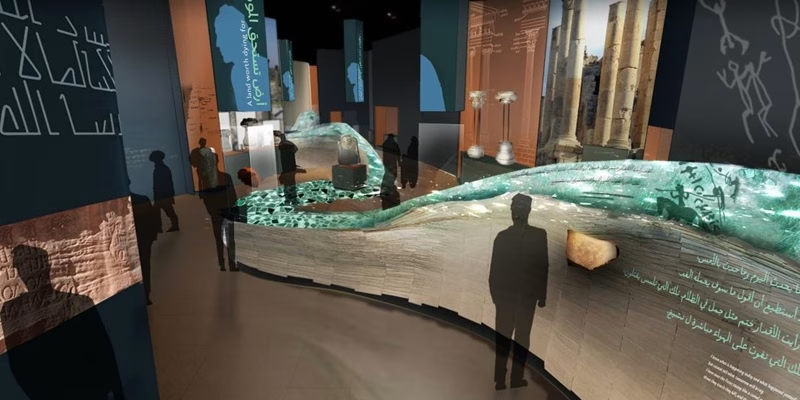
Visitors can encounter the story of modern Jordan throughout the country—from royal and national museums in Amman to Great Arab Revolt landmarks, historic Hejaz Railway stations, military memorials and buildings associated with the establishment of the Jordanian state.






Today, the Hashemite Kingdom of Jordan represents the continuation of a national story that began with the establishment of Transjordan more than a century ago. Its modern identity brings together Hashemite history, Arab and Islamic heritage, ancient civilizations and the diverse communities that have contributed to the development of the Kingdom.