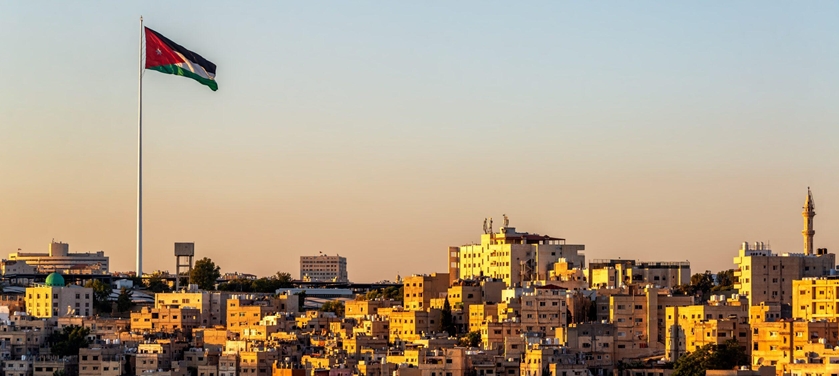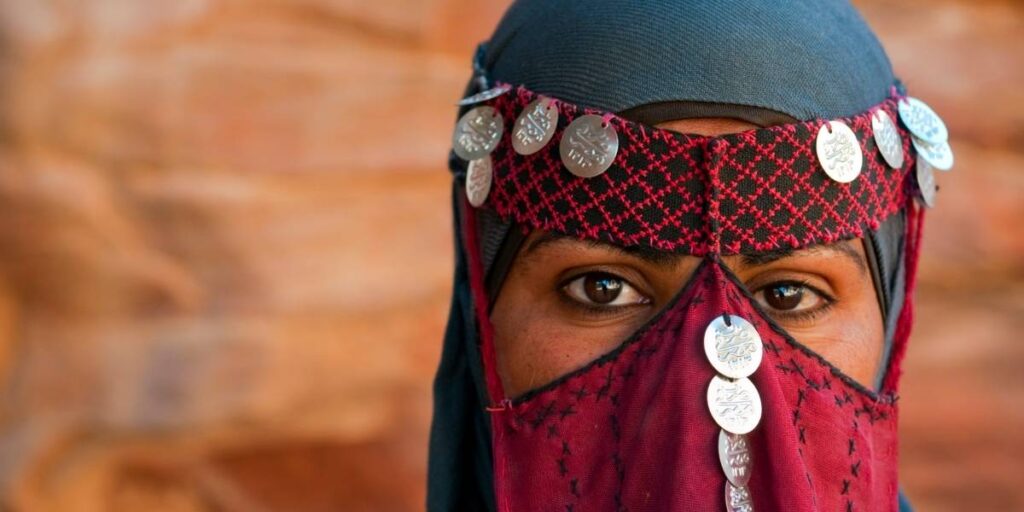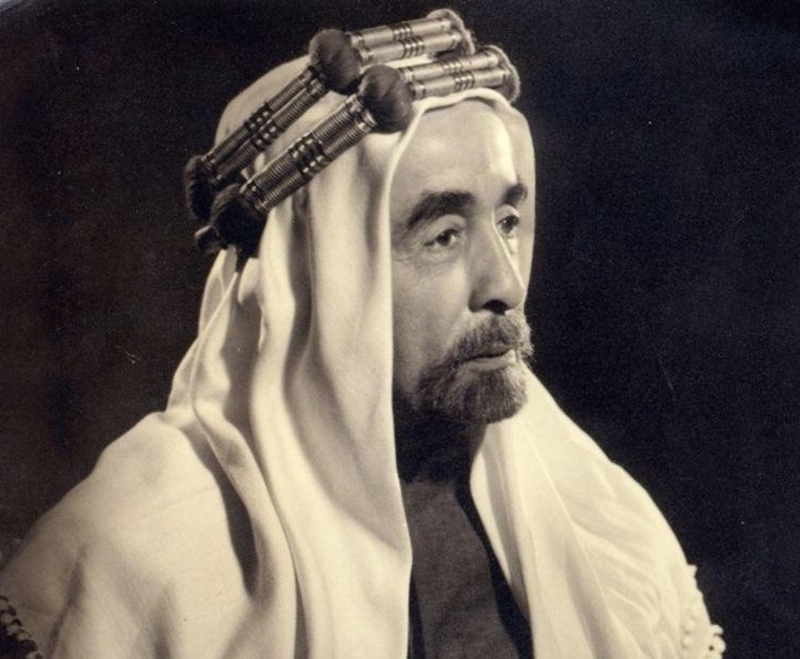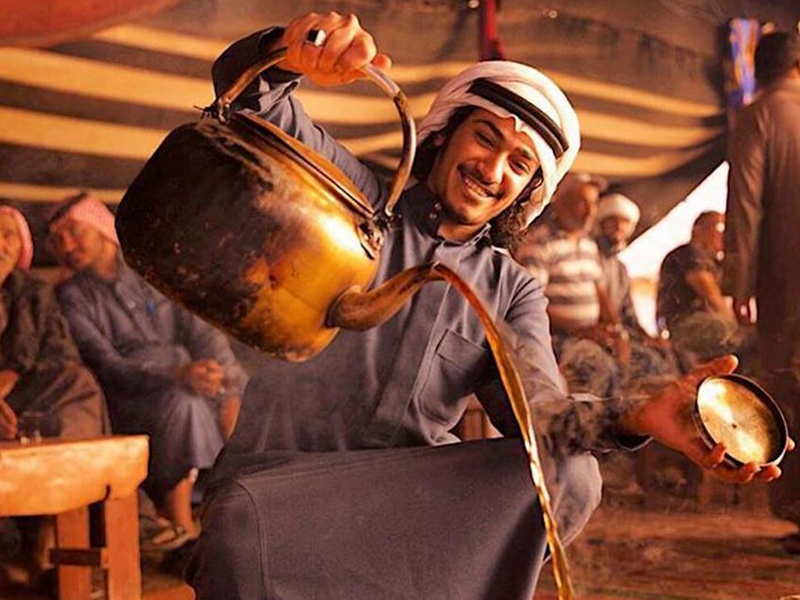

Jordan is a country where ancient heritage and modern ambition exist side by side. At the heart of the Kingdom’s contemporary story is the Hashemite Royal Family, whose role has been closely connected with the development of the Jordanian state and its institutions for more than a century.
Today, three members of the Royal Family are particularly prominent in Jordan’s public life: His Majesty King Abdullah II ibn Al Hussein, Her Majesty Queen Rania Al Abdullah, and His Royal Highness Crown Prince Al Hussein bin Abdullah II.
Each represents a different dimension of contemporary Jordan.
King Abdullah II carries the constitutional responsibilities of the monarchy and has led the Kingdom since 1999, navigating Jordan through profound regional and global change while focusing on national development, security, modernization and Jordan’s international relationships.
Queen Rania has developed a distinctive public role centered particularly on education, children, families, community empowerment and humanitarian advocacy. Through initiatives established or supported by Her Majesty, education and opportunity have remained recurring themes of her work in Jordan and internationally.
Crown Prince Al Hussein represents a new Hashemite generation. His public work has placed particular emphasis on Jordan’s youth, entrepreneurship, technical and vocational education, technology, leadership and creating opportunities for young Jordanians.
Together, their stories offer visitors a window into modern Jordan: a Kingdom deeply connected to its Hashemite heritage while continually looking toward the future.
In this Ordonna story, we explore the backgrounds, public roles and priorities of three figures who have become closely associated with Jordan’s identity at home and its image around the world.
King Abdullah II — Leadership, Service and Responsibility
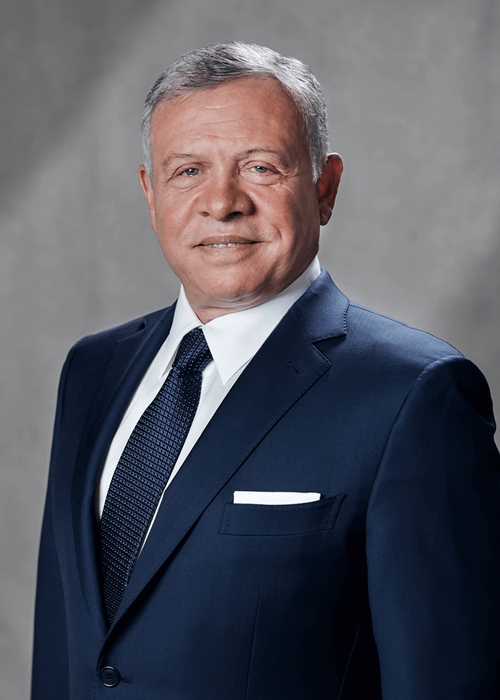
His Majesty King Abdullah II ibn Al Hussein has served as King of the Hashemite Kingdom of Jordan since February 1999, succeeding his father, the late King Hussein bin Talal.
Born in Amman on 30 January 1962, King Abdullah’s life before assuming the throne combined education in Jordan and abroad with an extensive military career. He studied at institutions including Deerfield Academy in the United States and attended Oxford University and Georgetown University’s School of Foreign Service. His military education included the Royal Military Academy Sandhurst in the United Kingdom.
The future King subsequently built a long career in the Jordan Armed Forces–Arab Army, eventually reaching the rank of major general and commanding Jordan’s Special Forces. That military background became an important part of his leadership experience before he unexpectedly assumed the responsibilities of the throne following the final illness and death of King Hussein.
Since becoming King, Abdullah II has led Jordan through an era marked by rapid technological change, economic challenges, wars and instability across the surrounding region, major refugee movements and profound political transformations in the Middle East.
Throughout those challenges, the King’s public agenda has repeatedly emphasized Jordan’s stability and security while pursuing economic development, modernization of government, education, investment, opportunities for young Jordanians and an active diplomatic role for the Kingdom.
His reign also continues the Hashemite tradition of engagement with questions of peace and interfaith understanding. In 2004, King Abdullah II launched the Amman Message, an initiative intended to clarify Islam’s principles, affirm moderation and reject violence and extremism carried out in the name of religion.
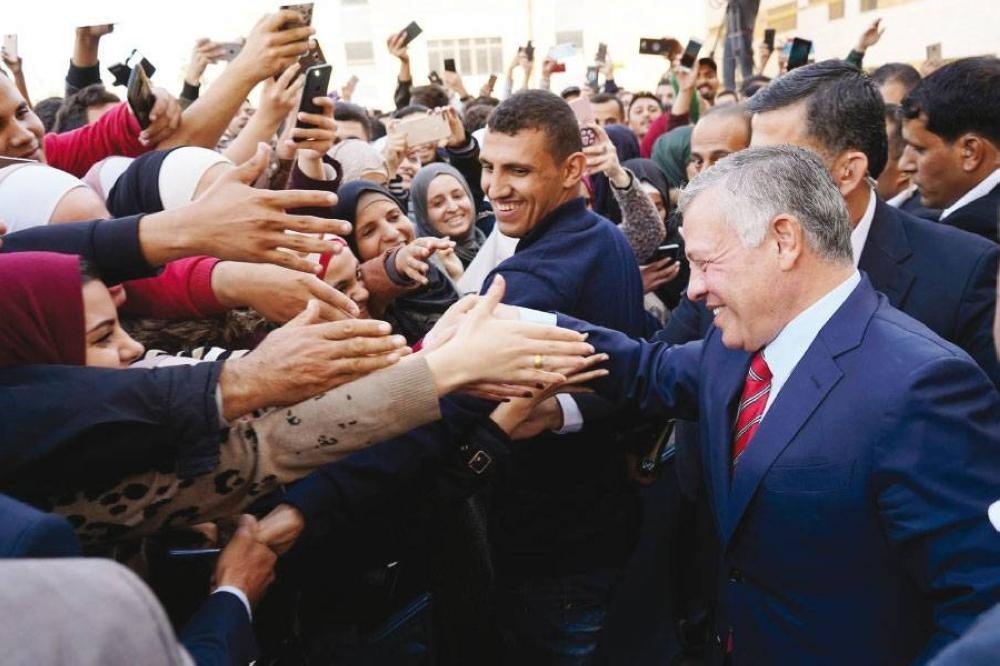
Beyond institutions and diplomacy, an important characteristic of King Abdullah’s public approach has been direct engagement with communities across the Kingdom. Visits to governorates, towns, villages, military units, businesses and local initiatives have formed a continuing part of his connection with Jordanians and his understanding of the challenges facing different parts of the country.
For visitors seeking to understand modern Jordan, King Abdullah II’s reign provides an important bridge between the Hashemite legacy inherited from King Hussein and the Kingdom’s ambitions for the twenty-first century.
Jordan on the International Stage
Jordan may be a relatively small country, but under King Abdullah II it has maintained a highly visible diplomatic presence on some of the most important issues facing the Middle East and the wider international community.
Since assuming his constitutional powers in 1999, King Abdullah has regularly represented Jordan before world leaders and major international institutions. He has addressed the United Nations General Assembly, the United States Congress, the European Parliament, the British Parliament, universities and international organizations, using these platforms to present Jordan’s position on regional peace, security, humanitarian challenges and interfaith understanding.
A Consistent Voice for Peace
One of the defining themes of King Abdullah’s international role has been his advocacy for a just and lasting resolution to the Palestinian-Israeli conflict.
Across decades of speeches and diplomatic meetings, the King has repeatedly supported a negotiated two-state solution that would result in an independent Palestinian state living alongside Israel in peace and security.
For Jordan, this issue is not distant foreign policy. Geography, history, family ties, regional security and Jordan’s relationship with Jerusalem make developments in Palestine deeply connected with the Kingdom itself.
King Abdullah has therefore used Jordan’s international relationships to advocate dialogue, diplomacy and a political settlement while warning of the consequences that continuing conflict can have for the entire region.
Jerusalem and the Hashemite Responsibility
The King’s international role is also inseparable from his position as Hashemite Custodian of Muslim and Christian holy sites in Jerusalem.
Protecting Jerusalem’s religious heritage and preserving the city’s importance to Muslims and Christians have remained recurring themes in his international addresses.
This responsibility belongs to a much longer Hashemite story—one that stretches across generations of the Royal Family and deserves a story of its own.
Building Bridges Between Faiths
King Abdullah’s diplomacy has extended beyond conventional politics.
Through initiatives such as the Amman Message, A Common Word and World Interfaith Harmony Week, Jordan has sought to promote moderation, mutual respect and dialogue among different religions and cultures.
In 2010, the United Nations General Assembly unanimously adopted King Abdullah’s proposal for an annual World Interfaith Harmony Week, giving an initiative originating from Jordan a permanent place on the international calendar.
These efforts reflect an important element of Jordan’s international identity: presenting the Kingdom as a place where dialogue and coexistence can provide an alternative to extremism and division.
A Jordanian Voice in a Changing World
Over more than two decades, King Abdullah has represented Jordan during wars, refugee crises, economic uncertainty, terrorism, regional upheaval and rapidly changing relationships between states.
Through these periods, Jordan has continued to maintain diplomatic relationships across the Arab world and with major international partners while participating in humanitarian, peace and development efforts.
For visitors, understanding this international dimension helps explain something important about modern Jordan.
The Kingdom’s influence cannot be measured simply by its geographic size.
Jordan’s location, history, Hashemite leadership and diplomatic relationships have given it a role in regional affairs that reaches far beyond its borders—and King Abdullah II has been one of the principal voices through which that role has been expressed.
Queen Rania Al Abdullah — Education, Opportunity and Community

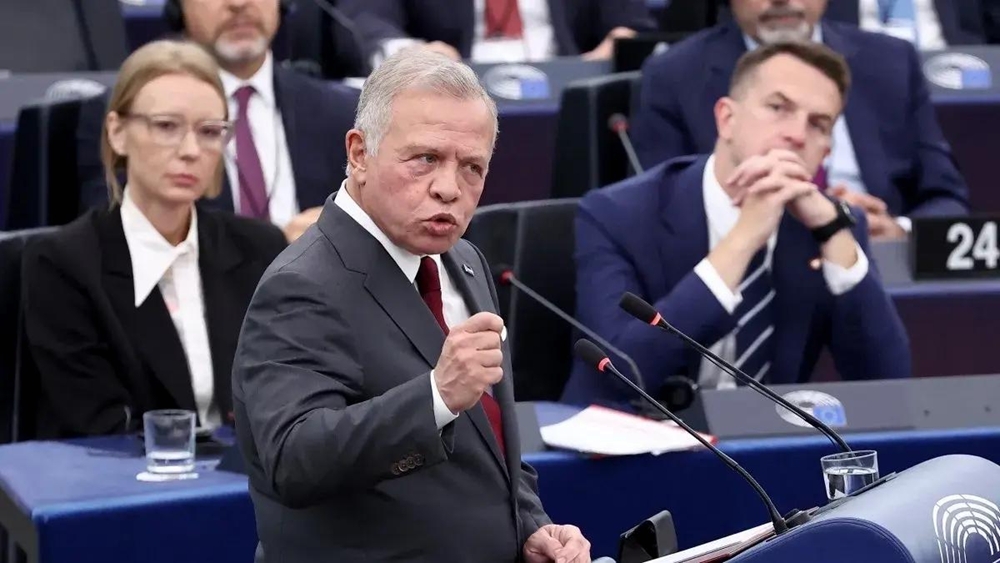
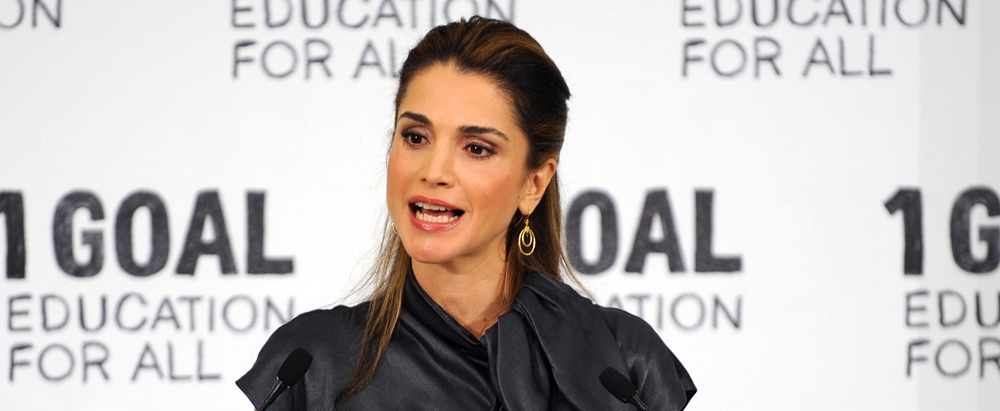
Her Majesty Queen Rania Al Abdullah has developed a public role closely associated with education, children and families, community empowerment, innovation, and creating opportunities for Jordan’s younger generations.
Born Rania Al Yassin on 31 August 1970, she earned a bachelor’s degree in Business Administration from the American University in Cairo in 1991. Before entering royal public life, she worked in banking and information technology in Jordan.
She married then Prince Abdullah bin Al Hussein on 10 June 1993. Following King Abdullah II’s accession to the throne in 1999, she became Queen Rania Al Abdullah. Their family includes Crown Prince Al Hussein, Princess Iman, Princess Salma and Prince Hashem.
Education as a Foundation for Jordan’s Future
Education has become one of the defining themes of Queen Rania’s public work.
Her approach has extended beyond building schools or providing educational materials. It has focused on the wider environment surrounding learning: the quality of teaching, the condition of schools, access to technology, early childhood development, educational research and giving students opportunities to develop the skills required for a changing world.
In 2013, Queen Rania established the Queen Rania Foundation for Education and Development. The foundation works to identify educational challenges and support research, policy development and initiatives designed to improve learning in Jordan and across the Arab region.
Several initiatives associated with Her Majesty demonstrate how broad this educational vision has become.
The Queen Rania Teacher Academy focuses on strengthening the skills and professional development of educators. Madrasati, launched in 2008, brought together public institutions, businesses and civil society organizations to improve learning environments in public schools requiring support.
Technology has also played an important role.
Edraak, launched in 2014 and affiliated with the Queen Rania Foundation, was created as a nonprofit Arabic online learning platform, making educational courses and resources available to Arabic-speaking learners and promoting lifelong learning beyond the traditional classroom.
Together, these initiatives reflect a consistent idea: Jordan’s greatest long-term resource is its people, and investing in their education is essential to creating opportunity for future generations.
Children, Families and Stronger Communities
Queen Rania’s public work also extends beyond education into the wellbeing of children, families and communities.
The Jordan River Foundation, established in 1995, has developed programs focused on community empowerment and child safety. Its work includes supporting local economic opportunities, building skills and helping communities develop sustainable solutions while also strengthening child protection and family support.
Other initiatives associated with Queen Rania address different stages of life and different social needs, from early childhood learning and family wellbeing to education and training opportunities for young adults.
The Children’s Museum Jordan provides interactive learning experiences for children, while the Al-Aman Fund for the Future of Orphans supports education and training opportunities for young people transitioning from institutional care. These efforts form part of a wider approach centered on helping individuals build the knowledge, confidence and opportunities needed to shape their own futures.
Bringing Technology and Opportunity Together
Queen Rania has also consistently emphasized the importance of technology, entrepreneurship and innovation—particularly for young Jordanians.
Rather than viewing technology simply as a modern convenience, her initiatives have frequently used it as a tool for expanding access to knowledge.
Platforms such as Edraak demonstrate how Arabic digital education can reach learners far beyond a single classroom, while other educational initiatives have explored new ways of connecting teachers, students, parents and learning resources.
This combination of education and technology reflects one of the central challenges facing Jordan: preparing a young and ambitious population for an economy and a world that are changing rapidly.
For Queen Rania, education is therefore not only about what happens inside a school.
It is about giving people the ability to participate, create, work, adapt and contribute to their communities.
Representing Jordan to the World
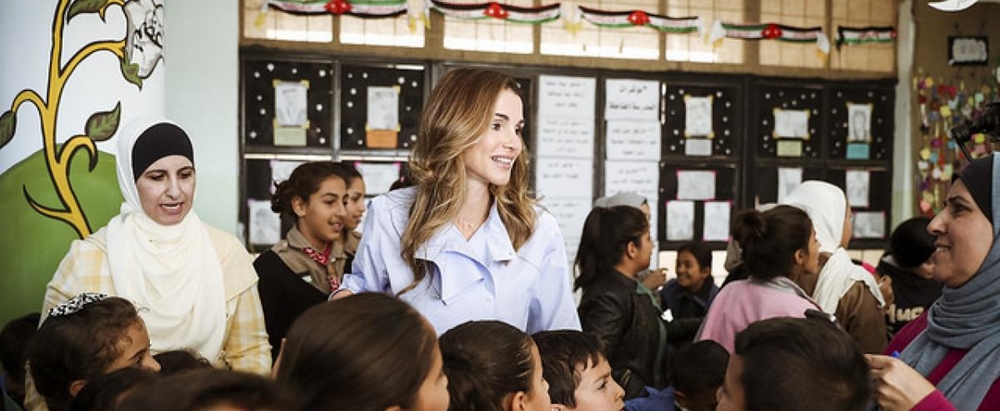
Beyond her work within Jordan, Her Majesty Queen Rania Al Abdullah has developed an international presence that has brought Jordanian perspectives to global discussions on education, refugees, humanitarian responsibility, children, cultural understanding and the future of the Arab world.
Over the years, she has spoken at major international forums and engaged with global institutions, educators, humanitarian organizations, business leaders and young people. Yet much of her international advocacy has remained closely connected to challenges experienced by Jordan and the wider region.
A Global Voice for Education
Education has remained at the center of Queen Rania’s international advocacy just as it has within Jordan.
Her Majesty has consistently argued that access to quality education is not simply a social benefit, but one of the foundations of opportunity, economic development and more peaceful societies.
Her international work has included advocacy for children who lack access to education and support for girls’ education. In 2009, she was named Honorary Global Chair of the United Nations Girls’ Education Initiative, reflecting her long-standing efforts to promote quality and accessible education for children around the world.
By bringing Jordan’s own experience with education reform into international conversations, Queen Rania has helped connect challenges facing Jordanian and Arab classrooms with a much wider global discussion about how societies prepare their children for the future.
Standing With Refugees and Vulnerable Communities
Jordan’s experience as a country hosting large refugee populations has also shaped an important part of Queen Rania’s international humanitarian work.
Her Majesty has repeatedly advocated greater international responsibility toward refugees and the countries and communities that host them. She has visited refugee communities both inside and outside Jordan and participated in international discussions addressing displacement, education for refugee children and the long-term challenges faced by families forced from their homes.
Her message has often emphasized that refugee crises cannot be left for neighboring host countries to manage alone. They require shared international responsibility, sustained humanitarian support and opportunities that allow displaced people to rebuild their lives with dignity.
This advocacy also tells an important story about Jordan itself—a country whose limited natural resources have not prevented it from providing refuge to successive populations displaced by conflicts in the region.
Building Bridges Between Cultures
Another defining element of Queen Rania’s international public role has been her effort to challenge stereotypes and encourage greater understanding between Arab, Muslim and Western societies.
At international events and through digital platforms, Her Majesty has spoken about the dangers of allowing stereotypes, fear and cultural misunderstanding to define how people see one another.
Rather than presenting cultural differences as barriers, she has promoted dialogue, empathy and human connection as ways to bridge them.
For international audiences who may know Jordan primarily through headlines about the Middle East, this has given Queen Rania a distinctive role: presenting a more human and nuanced picture of Jordan and the Arab world while encouraging people from different backgrounds to look beyond assumptions.
Jordan’s Story Beyond Its Borders
Queen Rania’s international presence ultimately remains closely connected to Jordan.
Whether discussing education, refugees, women, children, technology or cross-cultural understanding, many of the issues she addresses internationally are also part of Jordan’s own experience as a young, resource-limited country positioned at the crossroads of a complex region.
Through this work, Her Majesty has become one of Jordan’s most recognizable voices internationally.
Her public role demonstrates another dimension of modern Jordan—one in which the Kingdom seeks not only to respond to the challenges surrounding it, but also to contribute ideas, experiences and humanitarian perspectives to conversations taking place far beyond its borders.
Crown Prince Al Hussein — Jordan’s Next Generation
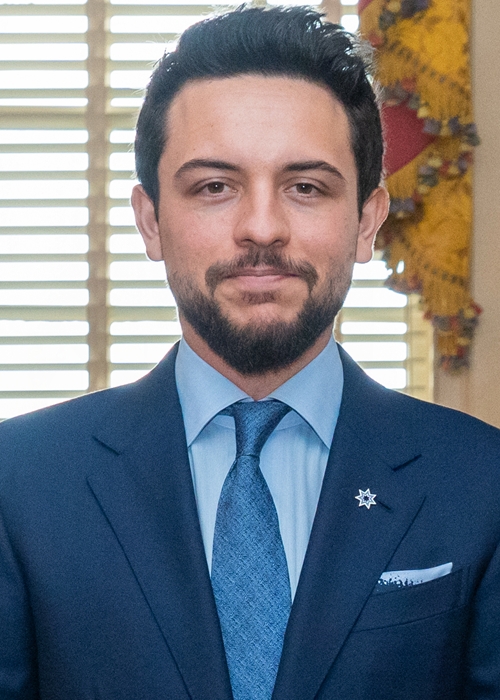
His Royal Highness Crown Prince Al Hussein bin Abdullah II represents a new generation of Hashemite leadership—one shaped by Jordan’s heritage and institutions, but also closely connected with the aspirations of the Kingdom’s young population.
Born in Amman on 28 June 1994, Crown Prince Al Hussein is the eldest son of Their Majesties King Abdullah II and Queen Rania Al Abdullah. He was named Crown Prince by Royal Decree on 2 July 2009 and has since taken on an increasingly prominent role in Jordan’s public life, accompanying His Majesty on official duties, serving as Regent on a number of occasions, and representing the Kingdom internationally.
In June 2023, Crown Prince Al Hussein married Princess Rajwa Al Hussein. Their daughter, Princess Iman bint Al Hussein, was born in August 2024, marking the beginning of another generation of the Hashemite family.
Education and Preparation for Leadership
The Crown Prince’s education reflects a combination of Jordanian, international and military experience.
After graduating from King’s Academy in Jordan in 2012, he attended Georgetown University in Washington, D.C., where he studied International History and graduated in 2016.
He then followed a path shared by both his father, King Abdullah II, and his grandfather, the late King Hussein, by attending the Royal Military Academy Sandhurst in the United Kingdom, graduating in 2017.
Alongside his public responsibilities, Crown Prince Al Hussein has continued his military service in the Jordan Armed Forces–Arab Army. He holds the rank of major and has undertaken a range of military training and command responsibilities.
This combination of academic education, military service and public duty has formed an important part of his preparation for the responsibilities of the Crown.
Putting Jordan’s Youth at the Center
Perhaps the most distinctive feature of Crown Prince Al Hussein’s public work has been his focus on young Jordanians.
Jordan itself is a young country demographically, and questions of employment, skills, entrepreneurship, education and opportunity are central to its future. The Crown Prince has repeatedly emphasized that young people should not simply wait for that future—they should participate in building it.
The Crown Prince Foundation, established in 2015, has become one of the principal institutions associated with this vision.
Its work focuses on creating opportunities for young Jordanians through leadership, citizenship, employability and entrepreneurship, while encouraging young people to develop practical skills and become active participants in their communities.
The approach extends beyond Amman. Programs and initiatives have sought to reach young people across Jordan’s governorates, reflecting the idea that talent and ambition exist throughout the Kingdom and that opportunity should not be limited by geography.
Skills for a Changing Economy
Technical and vocational education has become another important theme in the Crown Prince’s work.
As Jordan responds to changes in technology and the global economy, the ability to connect education with real employment opportunities has become increasingly important.
Crown Prince Al Hussein has advocated greater recognition of technical and vocational career paths while supporting efforts in entrepreneurship, information technology and innovation.
Al Hussein Technical University reflects part of this approach, emphasizing technical education designed to provide students with skills connected to the needs of the labor market.
The wider message is straightforward but important: university education is not the only path to success. Technical knowledge, vocational skills, entrepreneurship and digital capabilities can all contribute to Jordan’s economic future.
Leadership Through Participation
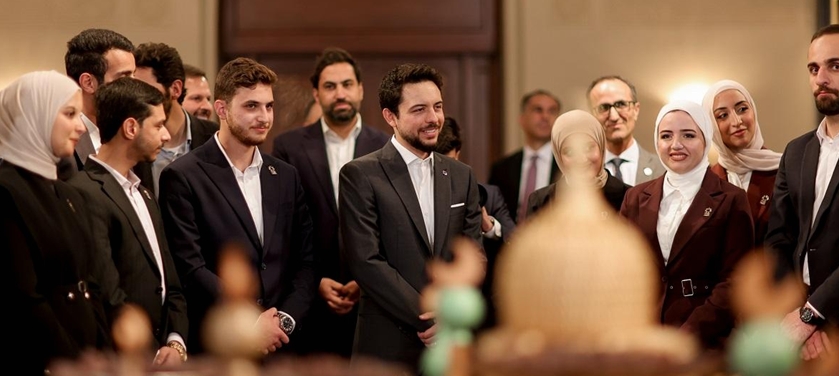
Crown Prince Al Hussein’s relationship with Jordanian youth is also visible through direct engagement.
Meetings with students, entrepreneurs, volunteers, young professionals and participants in youth programs have become a regular part of his public activities.
Rather than treating young Jordanians only as beneficiaries of development programs, the emphasis increasingly places them in the role of participants—people capable of proposing solutions, creating businesses, leading community initiatives and contributing directly to Jordan’s development.
For many younger Jordanians, this gives the Crown Prince’s public role particular relevance.
He belongs to a generation that has grown up with the internet, rapid technological change, social media and an increasingly interconnected world, while at the same time carrying the responsibilities and traditions of one of the Arab world’s historic ruling families.
It is this combination—heritage and change, tradition and technology, service and ambition—that places Crown Prince Al Hussein at the center of Jordan’s next chapter.
A Voice for Youth on the World Stage
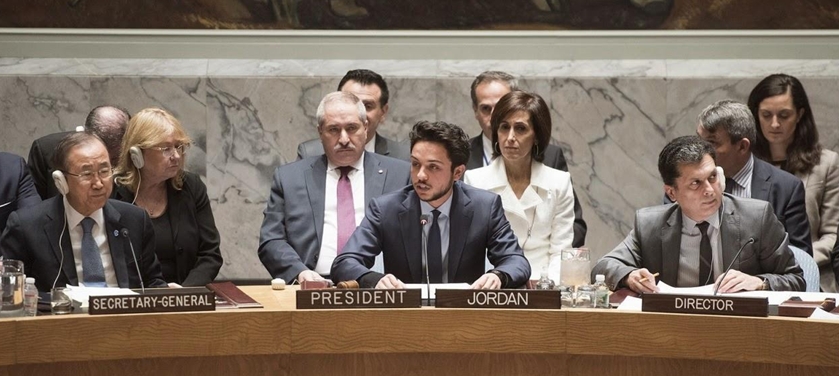
Crown Prince Al Hussein’s focus on young people has extended well beyond Jordan’s borders. One of the most significant moments in his international public role came in 2015, when Jordan held the presidency of the United Nations Security Council.
On 23 April 2015, at just 20 years old, Crown Prince Al Hussein presided over a Security Council meeting in New York, becoming the youngest person ever to chair a meeting of the Council.
The occasion was significant not simply because of his age.
The debate focused on the role of young people in countering violent extremism and promoting peace—placing youth at the center of a discussion traditionally dominated by governments, diplomats and security institutions.
The message behind the initiative was clear: young people should not be viewed only through the challenges they face or the risks of radicalization. They should also be recognized as partners capable of building peace, strengthening communities and shaping decisions that affect their future.
From New York to the Amman Youth Declaration
The conversation did not end at the Security Council.
Jordan subsequently hosted the Global Forum on Youth, Peace and Security in 2015, bringing together young people, policymakers, civil society representatives and international organizations.
The forum produced the Amman Youth Declaration, which called for greater recognition of young people’s role in preventing conflict, building peace and participating meaningfully in decision-making.
Jordan then worked at the United Nations to advance these ideas internationally.
On 9 December 2015, the UN Security Council unanimously adopted Resolution 2250 on Youth, Peace and Security—the first Security Council resolution dedicated specifically to recognizing the important role young people can play in maintaining and promoting international peace and security.
The resolution called for greater youth participation in decision-making and peace processes and helped establish Youth, Peace and Security as a distinct area of international policy.
For Jordan, it was a notable example of an idea strongly associated with its young Crown Prince developing into a wider international initiative.
Representing a New Generation of Jordan
Crown Prince Al Hussein has continued to represent Jordan at international forums and official engagements, often carrying the same emphasis on youth, opportunity and participation.
In 2017, deputizing for King Abdullah II, he delivered Jordan’s address before the 72nd Session of the United Nations General Assembly.
His participation in international forums has helped bring a distinctly generational perspective to Jordan’s diplomacy—one shaped not only by the challenges facing the Middle East today, but by the question of what kind of region young Arabs will inherit tomorrow.
That perspective connects closely with his work inside Jordan.
Whether the setting is a university in Amman, a youth initiative in one of Jordan’s governorates or the halls of the United Nations in New York, the underlying principle remains similar: young people need opportunities to participate, to be heard and to contribute.
Heritage Looking Toward the Future
Crown Prince Al Hussein occupies a distinctive position within the story of modern Jordan.
He is heir to a Hashemite legacy extending across generations, yet much of his public work is focused on questions that will shape the decades ahead—education, skills, technology, entrepreneurship, peace and the participation of young people.
That combination gives the third pillar of our story its particular character.
King Abdullah II represents the responsibilities of leadership and the direction of the state.
Queen Rania’s public work has placed education, families and human opportunity at its center.
Crown Prince Al Hussein increasingly represents the generation that will carry Jordan’s story forward.
Together, their roles lead us to a larger question: how do three different forms of public service contribute to one vision for Jordan?
That is where the three pillars come together.
Three Roles, One Jordan
The stories of King Abdullah II, Queen Rania Al Abdullah and Crown Prince Al Hussein are different, but they meet around a shared commitment to Jordan and its people.
Each approaches public service from a different position and with different responsibilities.
King Abdullah II carries the constitutional responsibilities of the monarchy and the leadership of the Jordanian state. His role encompasses national security, government and institutional modernization, economic development, diplomacy and representing Jordan’s interests in a region that has experienced profound change throughout his reign.
Queen Rania’s public work has developed along a different path. Education, children, families, community empowerment and humanitarian advocacy have placed people and opportunity at the center of many of her initiatives. Her work complements the institutions of the state by concentrating on the human foundations upon which Jordan’s future depends—knowledge, skills, strong communities and opportunities for people to realize their potential.
Crown Prince Al Hussein brings another dimension to the story. As heir to the throne, his responsibilities connect him to the continuity of the Hashemite monarchy, while much of his public work looks toward the generation that will shape Jordan in the decades ahead. His engagement with youth, entrepreneurship, technical education, technology, leadership and military service reflects both preparation for future responsibility and an effort to involve young Jordanians more directly in the country’s development.
Different Generations, Shared Responsibility
There is also a generational story within these three roles.
King Abdullah inherited the responsibility of leadership from his father, the late King Hussein, in 1999 and has guided Jordan through more than two decades of regional and global change.
Beside him, Queen Rania has developed initiatives intended to strengthen the opportunities available to Jordanian families, educators, children and communities, with education remaining one of the defining themes of her public work.
Crown Prince Al Hussein represents the next Hashemite generation—one preparing for future responsibility while engaging with a Jordanian population whose ambitions are increasingly shaped by technology, entrepreneurship, global connectivity and rapidly changing forms of work.
Yet continuity does not mean standing still.
Modern Jordan must preserve its identity and stability while responding to economic pressures, technological transformation, demographic change and an often unpredictable regional environment.
The relationship between generations therefore becomes part of the larger Jordanian story: carrying forward what has endured while preparing for what comes next.
Service Beyond the Palace
One of the themes connecting all three is the importance placed on engagement beyond formal royal institutions.
Across Jordan, Royal activities regularly bring the King, Queen and Crown Prince into contact with communities, schools, universities, businesses, military personnel, entrepreneurs, charitable organizations and young people.
These encounters matter because Jordan is not defined only by Amman or by its national institutions.
It is a country of governorates, cities, towns, villages, desert communities and families whose experiences can differ considerably from one place to another.
Understanding those experiences requires presence, conversation and continued engagement with people throughout the Kingdom.
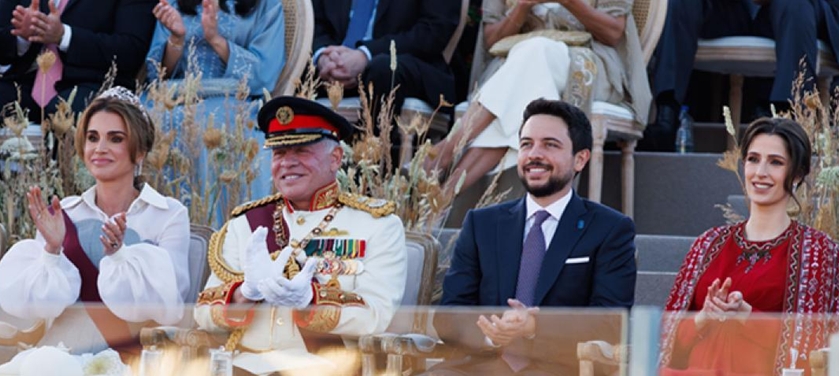
Carrying Jordan Forward
Jordan’s story has always been one of continuity and adaptation.
Across generations, the Kingdom has faced the challenge of preserving its identity and stability while responding to a region—and a world—that rarely stands still. Today, that responsibility continues through institutions, communities and people across the country, alongside the public roles of the Hashemite Royal Family.
King Abdullah II, Queen Rania Al Abdullah and Crown Prince Al Hussein each represent a different dimension of that contemporary story.
The King carries the responsibilities of leadership, national direction and Jordan’s place in the international community.
Queen Rania’s work demonstrates the importance of investing in people—particularly through education, children, families and stronger communities. Her initiatives reflect the belief that Jordan’s future ultimately depends upon the knowledge, skills and opportunities available to its people.
The Crown Prince brings the story toward the next generation. His emphasis on youth, skills, entrepreneurship, technology and participation reflects a Jordan looking ahead and preparing young people not simply to inherit the country’s future, but to help create it.
Yet Jordan is much greater than any individual.
Its strength is found in its people: in families and communities, in teachers and students, in soldiers and public servants, in entrepreneurs and workers, and in generations of Jordanians who have contributed to building the Kingdom.
That is perhaps the most important way to understand the three pillars presented in this story.
They are not three separate portraits.
They are three perspectives on one evolving national journey—leadership, human development and the next generation—connected by service to the same country.
A Story That Continues — Why “The Three Pillars”?
The title of this Ordonna story—The Three Pillars of Jordan—is an editorial expression rather than an official constitutional term. It reflects three complementary perspectives through which visitors can better understand contemporary Jordan.
King Abdullah II represents leadership, continuity and the responsibilities of the state.
Queen Rania Al Abdullah represents a powerful commitment to education, human development, families and community opportunity.
Crown Prince Al Hussein represents continuity into a new generation and the aspirations of Jordan’s youth.
Three different roles. Three different perspectives. One shared commitment to Jordan.
But the story of Jordan is much greater than any individual.
Its strength is found in its people—in families and communities, teachers and students, soldiers and public servants, entrepreneurs and workers, and generations of Jordanians who have contributed to building the Kingdom.
For many visitors, Jordan’s story begins with Petra, Wadi Rum, the Dead Sea, Jerash or the ancient streets of Amman. These extraordinary places reveal thousands of years of civilization, but they tell only part of the story.
To understand Jordan today also means understanding the people and institutions shaping the country, the Hashemite heritage that has become deeply connected with the modern Kingdom, and the ambitions of a new generation preparing for the decades ahead.
That is the meaning behind The Three Pillars of Jordan.
It is not simply a story about three members of the Royal Family.
It is a story about leadership, service, human development, continuity and the future of a country that continues to evolve while remaining deeply connected to its identity and heritage.
King Abdullah II, Queen Rania and Crown Prince Al Hussein each belong to that continuing journey.
Behind them lies a Hashemite story stretching across generations.
Around them stands the Jordanian people.
And ahead lies a Jordan whose next chapters are still being written.