The Dead Sea, Jordan

Discover the Dead Sea in Jordan with practical advice on beaches, resorts, safe floating, the best time to visit, nearby attractions and one-day or two-day itineraries.

The Dead Sea is unlike anywhere else on Earth. Resting between Jordan’s rugged mountains and the Jordan Valley, its intensely salty water, mineral-rich mud, desert landscape and extraordinary elevation create an experience that feels almost otherworldly.

Visitors come to float effortlessly, enjoy the warm sunshine, relax at waterfront resorts and watch unforgettable sunsets across the water. Yet the Dead Sea is much more than a place for swimming. Its surrounding region brings together natural wonders, wellness experiences, sacred landmarks, dramatic canyons and communities whose lives have long been connected to the Jordan Valley.

Whether you are planning a day trip from Amman, a relaxing resort stay or a longer journey along Jordan’s Dead Sea coast, this guide will help you understand where to go, what to do and how to enjoy the experience safely.

The Dead Sea at a Glance

Location: Western Jordan, along the Jordan Valley
Main tourism area: Sweimeh and the northeastern Dead Sea coast
Known for: Natural floating, mineral-rich water, therapeutic mud, resorts, spas and sunset views
Best for: Wellness breaks, family trips, romantic escapes, day visits and relaxing stops within a Jordan itinerary
Recommended visit: One full day or one to two nights
Nearest major city: Amman
Swimming ability required: No, but visitors must follow important safety precautions

The Jordan Tourism Board describes the Dead Sea shoreline as approximately 427 metres below sea level, making it the lowest exposed land area on Earth. Its exceptionally salty water is far denser than ordinary seawater, allowing the human body to float with remarkable ease.

Why Is the Dead Sea So Special?

Despite its name, the Dead Sea is not a sea connected to an ocean. It is a landlocked salt lake fed primarily by the Jordan River and seasonal waterways.

Water enters the basin but has no natural outlet. Under the intense Jordan Valley heat, much of it evaporates and leaves concentrated salts and minerals behind. This process has made the water several times saltier than ordinary seawater.

The high salt concentration creates the Dead Sea’s famous buoyancy. Instead of swimming in the usual way, visitors can lean back and float naturally on the surface.

The water and dark shoreline mud contain minerals used in many cosmetic and wellness products. Dead Sea resorts and spas offer mud treatments, salt scrubs and relaxation therapies inspired by the area’s natural environment. These experiences may support relaxation and skincare, but they should not replace professional medical advice or treatment.

Best Time to Visit the Dead Sea

The Dead Sea can be visited throughout the year, but the experience changes considerably with the seasons.

Spring: March to May

Spring is one of the best times to visit. Temperatures are generally warm without reaching the extreme heat of summer. It is an excellent season for floating, sightseeing and combining the Dead Sea with nearby outdoor attractions.

Summer: June to September

Summer can be extremely hot, particularly during the middle of the day. Resort pools, shaded areas and indoor facilities make visits possible, but outdoor activities are best planned for the morning or late afternoon.

Bring strong sun protection, drink plenty of water and avoid unnecessary exposure during peak heat.

Autumn: October to November

Autumn is another excellent period. The weather is usually comfortable for swimming, relaxation and regional sightseeing.

Winter: December to February

Winter days can be pleasantly mild, although evenings may feel cool and occasional rain is possible. The water may be comfortable on sunny days, but outdoor pools and beaches can feel cold when the wind rises.

For the best balance of comfortable weather and outdoor activities, consider visiting during spring or autumn.

How to Reach the Dead Sea

The northeastern Dead Sea resort area is approximately an hour’s drive from central Amman, depending on your starting point and traffic conditions.

By Car

Driving is the most flexible option. From Amman, the main route descends through the Jordan Valley toward Sweimeh and the hotel district.

A private car also allows you to combine the Dead Sea with places such as Bethany Beyond the Jordan, Mount Nebo, Madaba, Ma’in Hot Springs or Wadi Mujib.

By Taxi or Ride Service

A taxi or private ride can be arranged from Amman. Confirm the fare, return journey and waiting arrangements before departure, particularly when travelling to a public beach or attraction away from the resort district.

With a Tour Operator

Organised tours are convenient for travellers who want transportation and multiple stops included in one itinerary. Some tours combine the Dead Sea with Madaba, Mount Nebo or the Baptism Site.

From Queen Alia International Airport

The Dead Sea can be reached directly from Queen Alia International Airport without entering central Amman. Arrange a licensed taxi, hotel transfer or private driver in advance when possible.

Public transportation options can be limited, especially when travelling between attractions along the coast. Visitors without a car should plan each transfer before starting their journey.

Understanding the Dead Sea Region

The Dead Sea is a long destination rather than one single tourism complex. Knowing the main areas will help you choose the right experience.

Sweimeh and the Hotel District

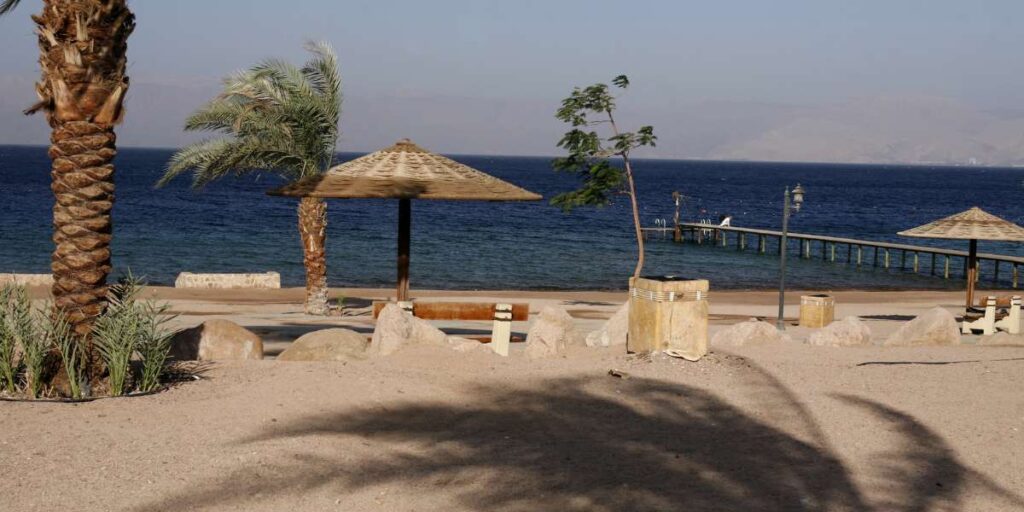
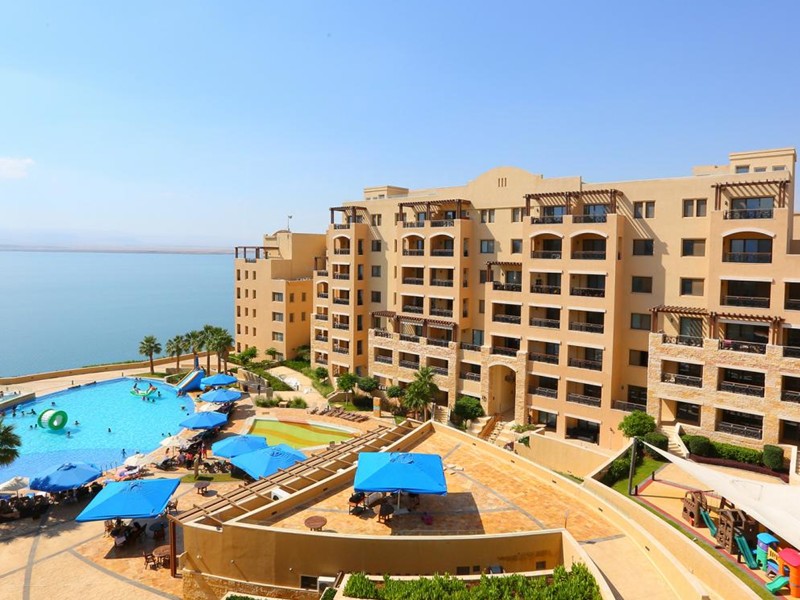
Located on the northeastern shore, Sweimeh is the principal resort area. Most luxury hotels, private beaches, spas, restaurants and organised visitor facilities are concentrated here. This is generally the easiest area for first-time visitors, families and anyone seeking comfort and convenient services.

The Northern Dead Sea

The northern region provides access to the hotel district, the Jordan Valley and Bethany Beyond the Jordan. It works well for visitors combining relaxation with religious or historical tourism.

The Central Dead Sea Coast

Travelling south brings increasingly dramatic scenery, mountain viewpoints and access to attractions such as the Dead Sea Panorama, Ma’in Hot Springs and Wadi Mujib. Services become more widely separated, so private transportation is useful.

The Southern Dead Sea

The southern region includes Ghor Al-Safi, agricultural communities, the Lowest Point on Earth Museum and Lot’s Cave. It offers a different perspective on the Dead Sea, connecting natural history with archaeology and life in the Jordan Valley.

Where Can You Access the Dead Sea?

Much of the Jordanian Dead Sea shoreline is reached through hotels, resorts, beach clubs or designated public facilities. Access conditions can change as the shoreline recedes, so confirm current availability before travelling.

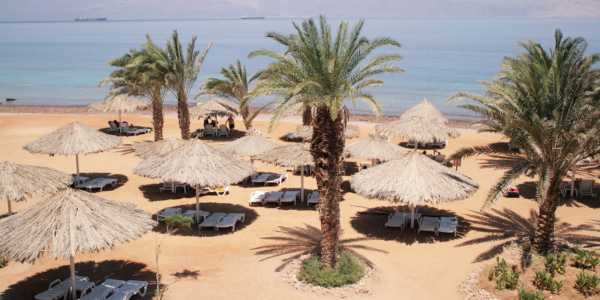
Resort Private Beaches

Private resort beaches usually provide the most comfortable experience. Facilities may include:

  • Changing rooms and showers
  • Towels and sun loungers
  • Freshwater swimming pools
  • Dead Sea mud stations
  • Restaurants and cafés
  • Lifeguards or beach attendants
  • Spa and wellness facilities
  • Hotel guests normally receive beach access as part of their stay.
Resort Day Passes

Some resorts offer day passes for visitors who are not staying overnight. A pass may include beach access, swimming pools, towels, changing facilities or a food credit.

Prices, age policies, weekend availability and included services vary. Contact the resort directly before visiting.

Public and Independent Beaches

Public access can be more affordable, but facilities, cleanliness, safety supervision and shoreline conditions vary considerably.

Choose an established facility with freshwater showers, safe access and clear operating information. Avoid isolated shoreline areas where salt formations, unstable ground, sudden drops or difficult access may create hazards.

Hotels
Sweimeh

O Beach Hotel & Resort

A modern beach club experience combining luxury and entertainment. Pools and lounge areas Restaurants and music Stylish beach environment Ideal for day parties and…
View Place
How to Float in the Dead Sea Safely

Floating in the Dead Sea is easy, but its extremely salty water must be treated with care.

  1. Enter slowly through a designated access point.
  2. Wear water shoes if the shore is rocky or covered with hardened salt.
  3. Walk backwards or sit gently in shallow water.
  4. Lean back slowly and allow the water to support your body.
  5. Keep your face, eyes and mouth away from the water.
  6. Stay close to the shore and follow the beach attendants’ instructions.
  7. Limit your first floating session to approximately 10–15 minutes.
  8. Leave the water immediately if you experience burning, dizziness or discomfort.
  9. Rinse your body thoroughly with fresh water after floating.
What You Should Never Do
  1. Do not dive or jump into the Dead Sea.
  2. Do not swim face-down.
  3. Do not splash water toward other visitors.
  4. Do not drink or taste the water.
  5. Do not enter with open wounds, irritated skin or immediately after shaving.
  6. Do not float alone in an isolated or unsupervised area.

If water enters your eyes, do not rub them. Leave the water carefully and rinse your eyes immediately with plenty of fresh water.

How to Enjoy the Dead Sea Mud Experience

Dead Sea mud is one of the region’s best-known natural products and an essential part of the traditional visitor experience.

Apply a thin layer of clean mud to the body while avoiding the eyes, mouth, broken skin and other sensitive areas.
Allow it to dry for a short period without remaining under intense sunlight for too long.
Rinse the mud away in the Dead Sea or under a freshwater shower.
Use mud supplied by your resort or an established beach facility. Do not dig into unstable shoreline areas or collect products from restricted locations.

People with sensitive skin, allergies or medical conditions should test a small amount first and seek professional advice when necessary.

Best Things to Do at the Dead Sea
Float in the Mineral-Rich Water

The signature Dead Sea experience is simply leaning back and allowing the dense water to carry you.

Watch the Sunset

As the sun descends behind the western hills, the water and surrounding mountains take on changing shades of gold, pink and violet. The view is especially memorable from resort terraces, elevated viewpoints and designated waterfront areas.

Enjoy a Spa Treatment

Many Dead Sea hotels operate spas offering massages, mineral treatments, mud wraps, salt scrubs, saunas and hydrotherapy experiences.

Spend a Day at a Resort

A resort day pass can combine beach access, swimming pools, dining and relaxation without requiring an overnight stay.

Walk Along the Dead Sea Promenade

The Dead Sea Promenade provides public areas for walking, sitting and enjoying views of the surrounding landscape. Check the latest access arrangements and available facilities before travelling.

Discover Local Products

The region is famous for skincare and cosmetic products made with Dead Sea salt, mud and minerals. Purchase sealed products from established manufacturers or recognised retailers and check the ingredients when you have sensitive skin.

Places to Visit Near the Dead Sea

The Dead Sea can be combined with several of Jordan’s most important natural, historical and religious destinations.

Bethany Beyond the Jordan

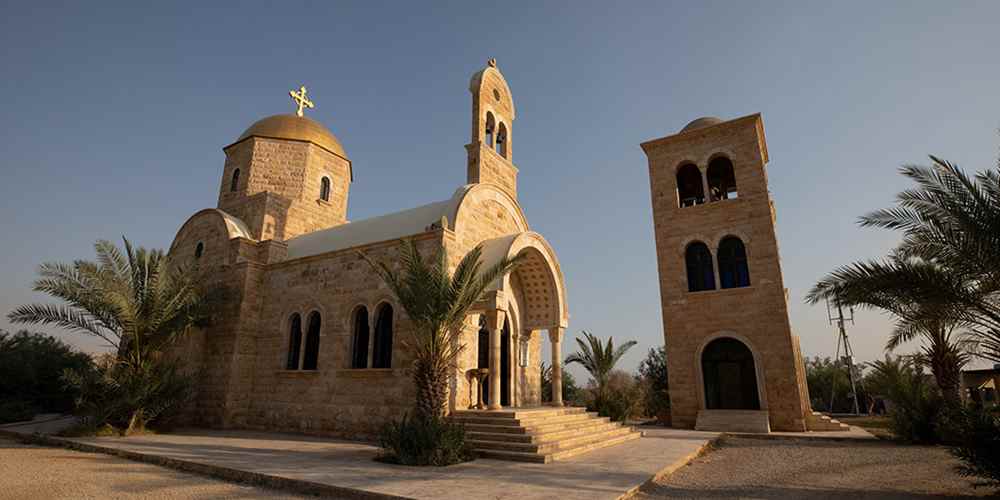
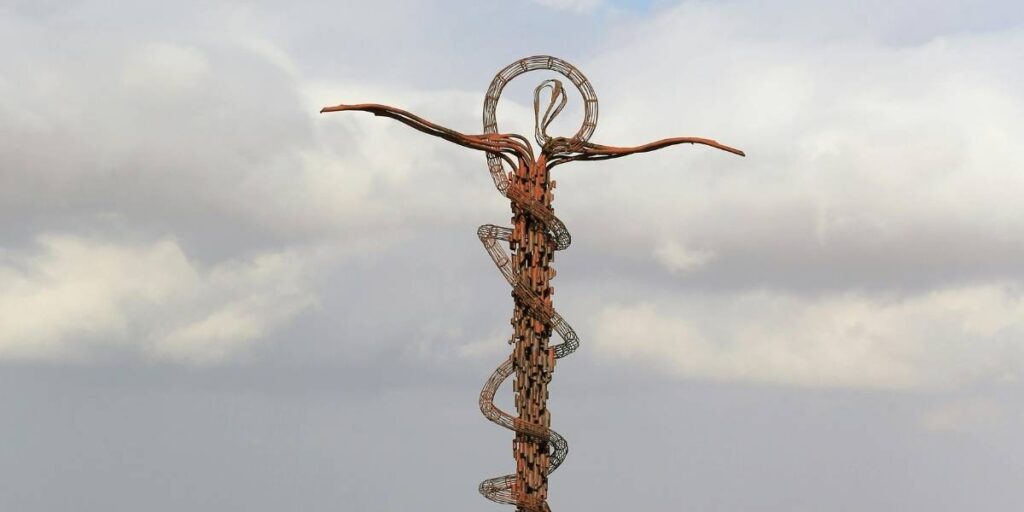
Located north of the Dead Sea, the Baptism Site of Jesus Christ, known as Bethany Beyond the Jordan or Al-Maghtas, is one of Jordan’s most significant Christian pilgrimage destinations. The UNESCO World Heritage Site includes archaeological remains at Tell Al-Kharrar, also known as Elijah’s Hill, and the area of the Churches of Saint John the Baptist near the Jordan River.

Mount Nebo

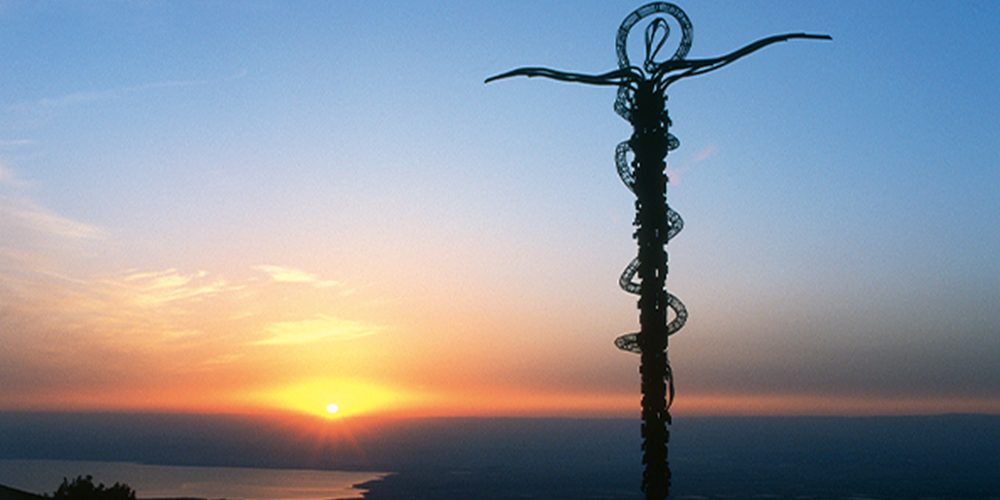
Mount Nebo is traditionally associated with the Prophet Moses viewing the Holy Land. Its elevated position provides far-reaching views across the Jordan Valley and the Dead Sea on clear days.

Madaba

Known for its mosaics and historic churches, Madaba can be combined with Mount Nebo and the Dead Sea in a full-day route from Amman.

Ma’in Hot Springs

Hammamat Ma’in is a striking desert oasis known for its naturally heated mineral water and waterfalls. It can be visited independently or combined with the Dead Sea Panorama.

Dead Sea Panorama Museum

Situated on hills overlooking the Dead Sea, the museum explains the area through exhibits covering its origins, ecosystem, human interaction and environmental challenges.

Wadi Mujib

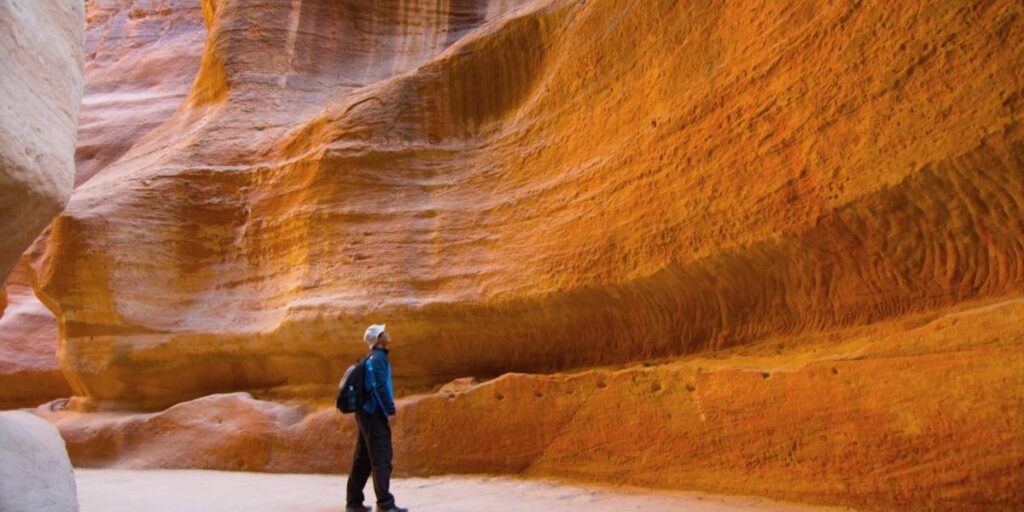
Wadi Mujib meets the Dead Sea through a spectacular mountain gorge. Some water trails are physically demanding, seasonal and subject to weather conditions, water levels, age restrictions and temporary closure.

Reservations and current trail information should always be confirmed directly with the Royal Society for the Conservation of Nature before travelling.

The Lowest Point on Earth Museum and Lot’s Cave

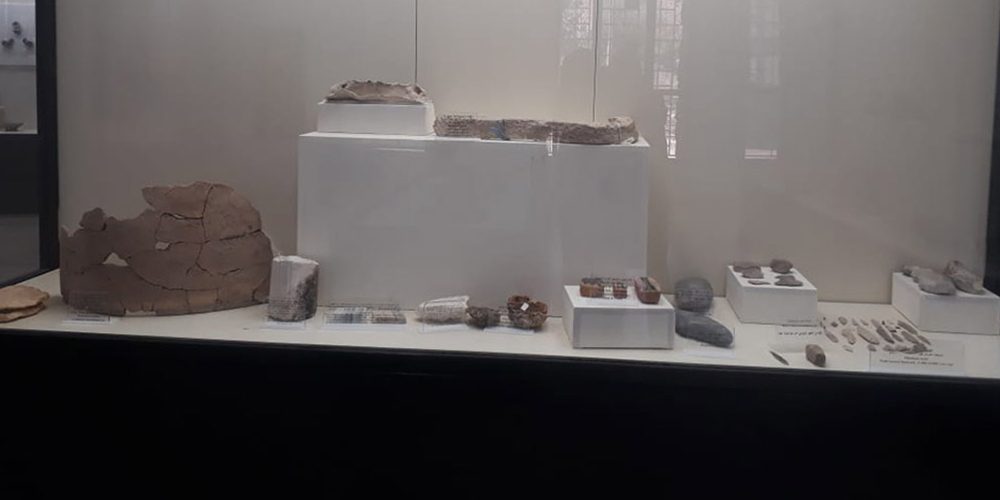
Near Ghor Al-Safi in the southern Dead Sea region, the museum displays archaeological objects discovered in the Jordan Valley. Visitors can also explore the area associated with Lot’s Cave.

Ghor Al-Safi

Ghor Al-Safi provides insight into the agricultural landscape and local communities of the southern Jordan Valley. The area presents a quieter and less commercial side of the Dead Sea region.


Mount Nebo

Mount Nebo

Discover the rich history and breathtaking views at Mount Nebo, the highest point in the ancient Kingdom of Moab. Revered in Abrahamic texts, this remarkable site is not only significant for its religious heritage but also for its stunning landscapes.

View Place
Al Shunah Al Janubiyah

The Baptism Site

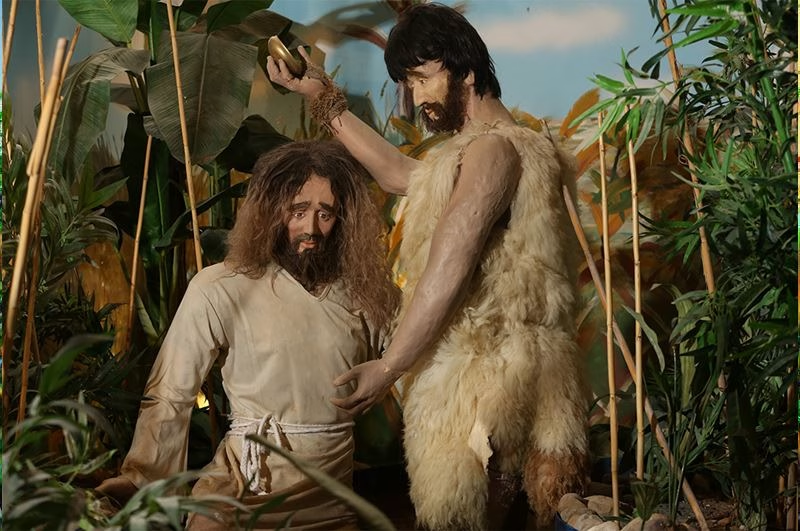
Step into a sacred journey at The Baptism Site (Al-Maghtas) – a place where history and spirituality converge. Imagine walking the tranquil paths lined with the lush vegetation of the Dead Sea, inhaling the serenity that surrounds you, as you approach the very spot where Jesus of Nazareth was baptized by John the Baptist.

View Place
Archeological Park and Burnt Palace
Madaba Archaeological Park

Archeological Park and Burnt Palace

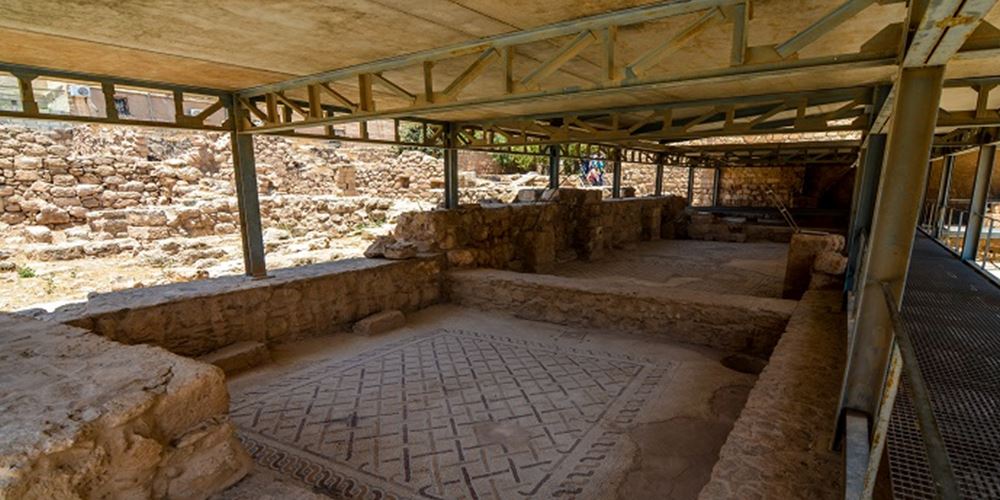
Discover the rich history of the Madaba Archaeological Park and Burnt Palace, a captivating destination that takes you back in time. Established in 1991 AD near the Madaba Visitors Center, this park is home to an impressive collection of ancient archaeological sites that showcase the region’s historical significance.

View Place
Restaurants and Cafés at the Dead Sea

Most established dining choices are concentrated within the hotel district and nearby commercial areas. Resorts commonly offer buffet restaurants, international dining, Middle Eastern cuisine, grills, cafés, poolside menus and seasonal outdoor terraces. Some accept visitors who are not staying at the hotel, while others require advance reservations. Independent restaurants and local dining options can also be found in Sweimeh and along routes through the Jordan Valley. Check the location carefully because distances between venues may be greater than they appear.

Shopping at the Dead Sea

Shopping in the region focuses on practical visitor needs, dining, souvenirs and wellness products rather than large-scale retail.

Popular purchases include:

Dead Sea salt and mud products
Skincare and cosmetic products
Jordanian handicrafts
Souvenirs and locally made gifts
Traditional foods and agricultural products

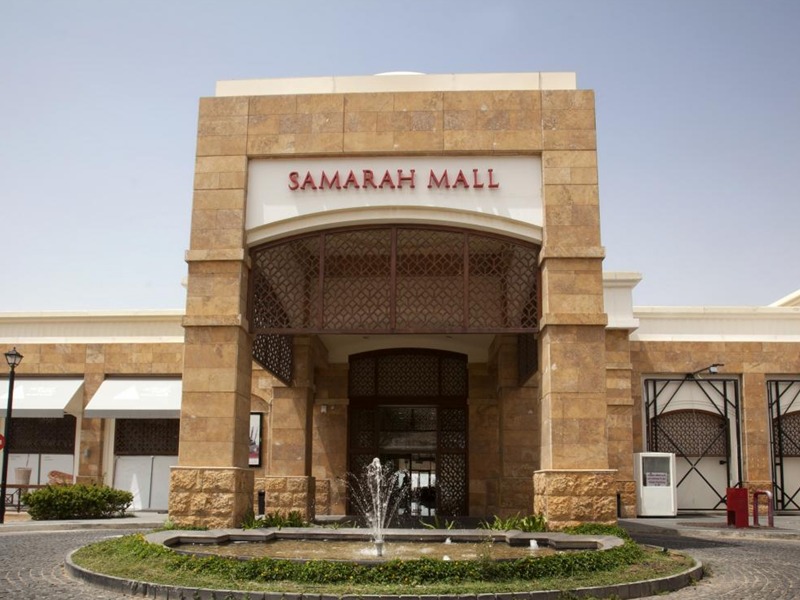
Samarah Mall serves the main hotel district with shops, restaurants, cafés and visitor services. Product availability and opening hours may vary by season.

Entrance to Samarah Mall with a stone archway and a circular fountain in front.
Hotel Zone

Samarah Mall

A modern shopping mall located near most Dead Sea resorts. Fashion and retail stores Cafés and restaurants Air-conditioned indoor shopping Scenic location near the…
View Place
Suggested Dead Sea Itineraries
One-Day Relaxation Itinerary

Morning: Travel from Amman to the Dead Sea.
Late morning: Enter through a resort or established beach facility.
Midday: Float in the water and enjoy the Dead Sea mud experience.
Afternoon: Have lunch, relax by the pool or book a spa treatment.
Sunset: Watch the sunset before returning to Amman.

One-Day Discovery Itinerary

Morning: Visit Bethany Beyond the Jordan.
Midday: Continue to the northern Dead Sea hotel district.
Afternoon: Enjoy lunch, floating and beach time.
Sunset: End the day at a waterfront or elevated viewpoint.

Two-Day Dead Sea Itinerary

Day One: Visit Madaba and Mount Nebo before continuing to the Dead Sea. Check into a resort, float in the water and enjoy the sunset.

Day Two: Spend the morning at the resort, then visit the Dead Sea Panorama and Ma’in Hot Springs before returning to Amman.

Adventure Itinerary

Begin with a pre-booked seasonal trail at Wadi Mujib and follow it with a relaxing Dead Sea stay.

Do not arrange a demanding canyon experience without confirming the trail’s opening status, physical requirements and weather conditions. Avoid combining strenuous activity with prolonged heat exposure.

Which Dead Sea Experience Is Right for You?
For Couples

Choose a resort with a quiet private beach, sunset views, spa facilities and terrace dining. An overnight stay creates a more relaxed experience than a rushed day trip.

For Families

Look for a family-friendly resort with shaded areas, children’s pools, suitable dining and supervised beach access. Children must be closely supervised because Dead Sea water can cause significant discomfort if it reaches their eyes or mouth.

For Solo Travellers

A recognised resort, organised tour or established beach facility offers easier transportation, safer water access and dependable facilities.

For Wellness Travellers

Compare spa menus, treatment facilities, beach access and accommodation packages. Discuss any medical condition with a qualified healthcare professional before using heat treatments, mineral pools or intensive spa therapies.

For Budget Travellers

Compare public facilities, organised group tours and resort day passes. Consider what is included because showers, towels, food credits and pool access can make a higher-priced pass better value.

Do not try to experience Amman only through a car window. Choose one neighborhood, walk slowly, explore its side streets, and allow time for an unplanned coffee, meal, or conversation.

What to Pack for the Dead Sea
  1. Swimwear
  2. Water shoes or secure sandals
  3. A change of clothes
  4. Sun hat
  5. High-protection sunscreen
  6. Sunglasses
  7. Reusable drinking water bottle
  8. Waterproof bag for wet clothing
  9. Personal toiletries
  10. Moisturiser
  11. Any essential medication
  12. A waterproof phone pouch if you plan to take photographs near the water
  13. Dark or older swimwear may be preferable when using Dead Sea mud. Remove valuable jewellery before entering because concentrated saltwater may damage some metals and finishes.
Visiting the Dead Sea Responsibly

The Dead Sea is a remarkable but environmentally vulnerable destination. Its shoreline has retreated significantly over time, changing beach access and increasing hazards in some undeveloped areas.

Visitors can help protect the region by:

  1. Using established roads, beaches and viewpoints
  2. Respecting barriers and warning signs
  3. Avoiding unstable shoreline areas and sinkholes
  4. Never leaving litter behind
  5. Reducing unnecessary water and towel use at hotels
  6. Choosing reusable bottles and bags where practical
  7. Supporting local businesses and responsibly produced Jordanian products
  8. Respecting religious sites, agricultural land and local communities

The changing landscape makes local instructions especially important. Never cross a barrier or approach an isolated shoreline simply to obtain a photograph.

Frequently Asked Questions About the Dead Sea

The dense saltwater makes floating easy for most visitors. Enter slowly, lean backwards and keep your face away from the water.

Normal face-down swimming is not recommended. Floating on your back is safer and more comfortable.

Begin with a short session of approximately 10 to 15 minutes. Follow the instructions provided by the beach or resort and rinse with fresh water afterwards.

Children can visit, but they require constant adult supervision. The water must not enter their eyes or mouth, and they should use a safe, managed beach.

Yes. Resort day passes, beach clubs and public facilities may provide access. Confirm current prices, opening times and facilities before travelling.

The Jordan Pass does not normally include private resort beaches, hotel day passes or spa services. Entry arrangements for nearby attractions should be checked individually.

Advance booking is recommended for hotels, weekend day passes, spa treatments, guided tours and Wadi Mujib trails.

One day is enough for floating and relaxation. Staying one or two nights allows time for the sunset, spa facilities and nearby attractions without rushing.

Yes. The northern hotel district is commonly visited as a day trip from Amman.

Do not remove mud directly from the natural shoreline. Packaged Dead Sea products are widely available from established Jordanian manufacturers and retailers.

Experience One of Jordan’s Greatest Natural Wonders

The Dead Sea is not simply a place to cross off a travel list. It is a landscape to experience slowly: the surprising feeling of weightlessness, warm mineral water against the skin, silent mountains surrounding the valley and the sun disappearing beyond the horizon. A short day trip can introduce you to its natural wonder, but an overnight stay reveals its quieter character. Add nearby sacred sites, mountain viewpoints, hot springs or dramatic wadis, and the Dead Sea becomes one of the most varied destinations in Jordan. Plan carefully, choose safe access, protect the landscape and give yourself enough time to enjoy the lowest point on Earth without rushing.

Use Ordonna to discover hotels, beaches, restaurants, cafés, attractions and experiences throughout the Dead Sea region.
More Places and Destinations You Will Love