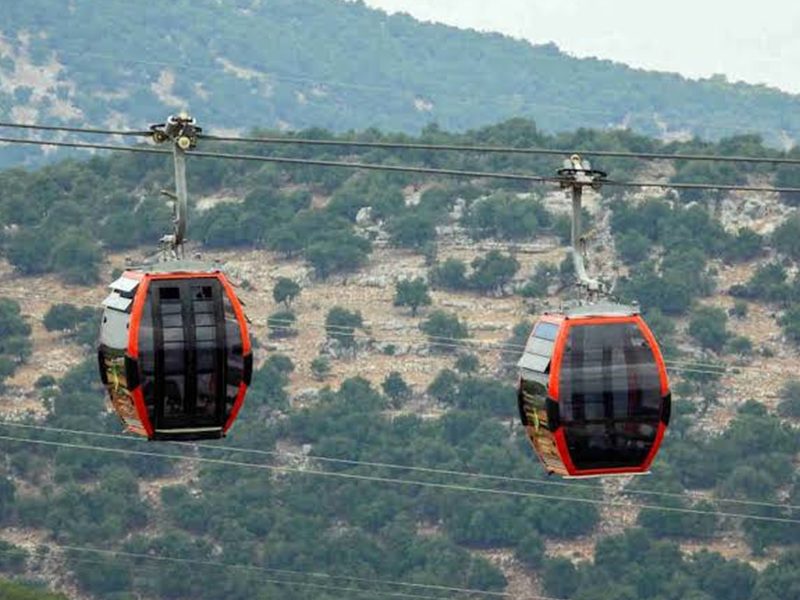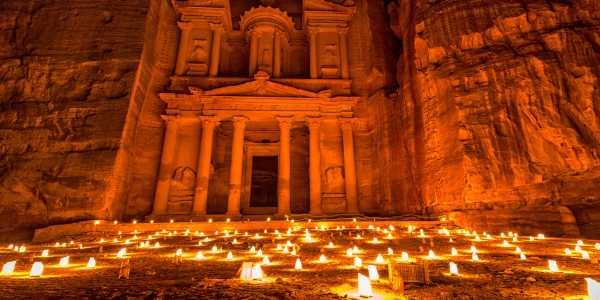

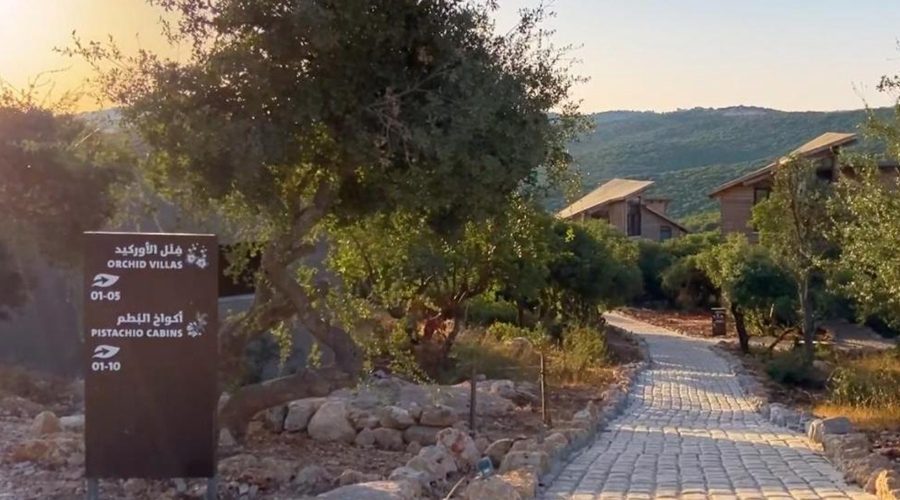
Discover the natural beauty of Ajloun Forest Reserve, nestled in the picturesque Ajloun Highlands of northern Jordan. Spanning 13 square kilometers, this stunning nature…
Jordan’s wild landscapes go far beyond famous deserts and archaeological sites. The country includes oak and pine forests, highland trails, seasonal waterfalls, deep canyons, wetlands, wildlife reserves, desert ecosystems, village landscapes, and viewpoints stretching from the northern hills to Wadi Rum.
This guide helps you choose a nature escape by season, activity level, landscape, and travel time. It also connects you with Ordonna’s W2DC nature listings so you can move from inspiration to practical planning.
For forests and cool air
Explore Ajloun, Dibeen, Yarmouk, and the green highlands of northern Jordan—especially in spring and autumn.
For trails and dramatic scenery
Consider Dana, Wadi Mujib, the Jordan Trail, and guided routes through valleys, villages, and changing elevations.
For wildlife and quiet landscapes
Look toward Azraq, Shaumari, Al Ma’wa, wetlands, protected habitats, and guided conservation experiences.
Ajloun: Forests, Trails, and Highland Views
Ajloun offers one of Jordan’s clearest changes of scenery. Evergreen oak woodland, farms, villages, cool mountain air, and broad viewpoints make the region ideal for hiking, picnics, photography, cabin stays, and slow weekends away from the city.
Ajloun Forest Reserve is the best-known protected landscape in the area, with marked experiences that may include trails, cabins, guided activities, food, and community-based tourism. Availability changes by season, so confirm the route, difficulty, meeting point, and reservation requirements before travelling.
Combine nature with heritage
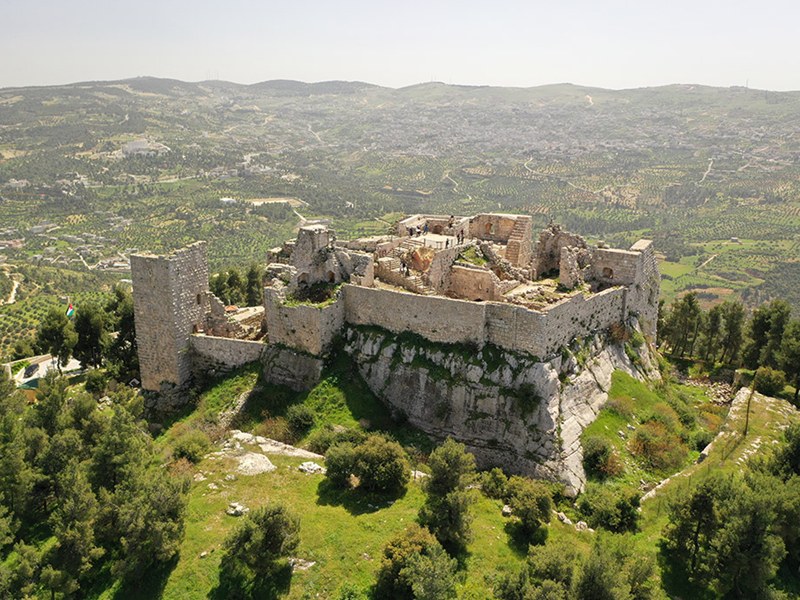
A nature trip to Ajloun can include Ajloun Castle, Tell Mar Elias, Eshtafina, local restaurants, village products, and panoramic stops. Avoid trying to cover everything in one rushed day.
Dibeen and the Northern Forest Belt
Dibeen Forest Reserve protects an important pine and oak environment near Jerash. Its forest roads, slopes, wildlife habitat, and quieter atmosphere provide a different northern experience from Ajloun.
The wider north also includes green valleys, agricultural landscapes, seasonal streams, and viewpoints around Jerash, Irbid, Yarmouk, and the Jordan Valley’s upper edges. Some areas are protected, privately owned, or difficult to reach, so use marked routes and local guidance.
Best approached with realistic expectations
Forest conditions change with rainfall, temperature, fire risk, and conservation rules. Never light fires outside approved areas, and do not leave food, charcoal, glass, or rubbish behind.

Dibeen Forest Reserve
Discover the enchanting beauty of Dibeen Forest Reserve, where nature’s wonders come alive! Nestled in the heart of Jerash, Jordan, this serene oasis is…
Wetlands, Wildlife, and Conservation
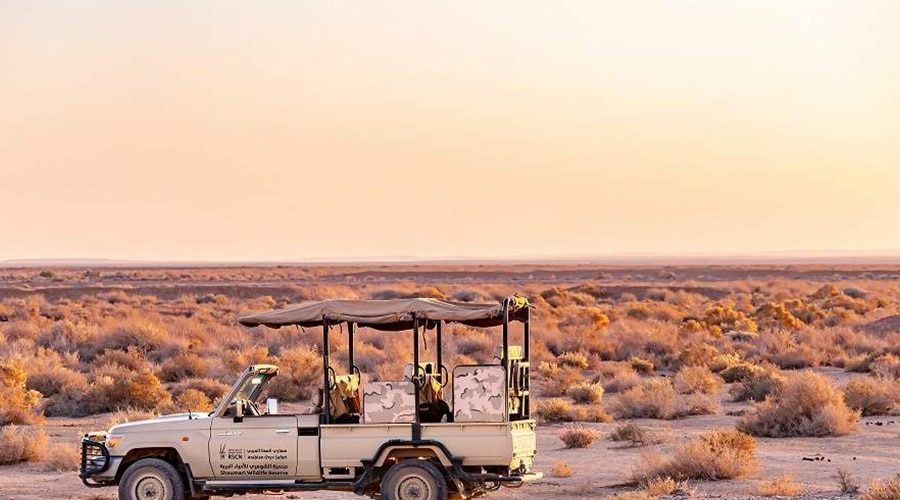
Shaumari Wildlife Reserve
Discover the Shaumari Wildlife Reserve, one of Jordan’s pioneering wildlife sanctuaries established in 1975 by the Royal Society for the Conservation of Nature. Spanning…
Jordan’s nature experiences are not limited to hiking. Azraq Wetland Reserve preserves an important oasis environment and bird habitat in the eastern desert. Shaumari Wildlife Reserve is associated with conservation and breeding programs for native and regionally significant species.
Al Ma’wa for Nature and Wildlife provides another conservation-focused experience. Programs, access, viewing conditions, and visitor rules differ between reserves, so confirm current arrangements and never expect a zoo-style encounter in a protected habitat.
Visit with patience
Wildlife sightings are never guaranteed. Move quietly, keep distance, avoid flash photography where prohibited, follow the guide, and never feed or disturb animals.
Dana, Wadi Mujib, and Jordan’s Great Trails
Dana Biosphere Reserve is one of Jordan’s most varied landscapes, descending through different elevations, climates, rock formations, and habitats. Routes range from village walks and viewpoints to demanding guided hikes that require preparation and suitable weather.
Wadi Mujib is known for dramatic canyons and seasonal water routes. These experiences can involve moving water, slippery rock, climbing aids, swimming, and strict operational seasons. They are not suitable for every visitor, and access can close because of weather or water conditions.
The Jordan Trail links communities and landscapes across the country. Travelers can walk selected day sections rather than attempting the full route. Use an experienced guide where navigation, transport, water, exposure, or private land could create difficulty.
Difficulty matters more than distance
Ask about elevation gain, exposure, shade, water, technical sections, swimming, minimum age, required fitness, and emergency access—not only the number of kilometers.
Dana Biosphere Reserve
Dana Biosphere Reserve is one of Jordan’s most remarkable protected landscapes and the country’s largest biosphere reserve. Located in Tafilah Governorate, the reserve stretches…
Desert Nature: Wadi Rum and the Eastern Landscapes
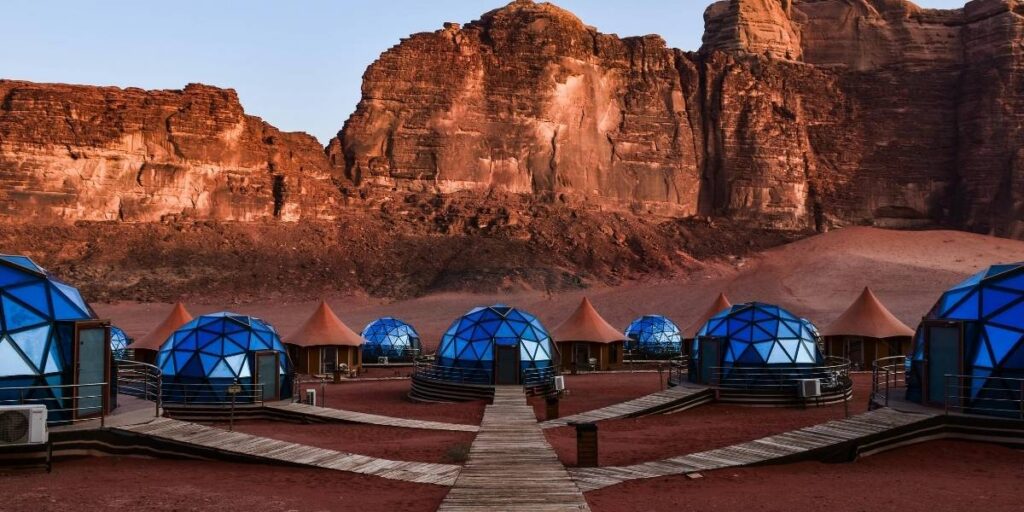
Wadi Rum Protected Area
Wadi Rum Protected Area is one of Jordan’s most spectacular natural and cultural destinations, offering a desert landscape unlike anywhere else in the country.…
Desert nature has its own rhythm. Wadi Rum combines sandstone mountains, broad valleys, natural arches, ancient inscriptions, wildlife, plants adapted to arid conditions, and some of Jordan’s clearest night skies.
A responsible visit goes beyond a fast jeep tour. Walk with a knowledgeable local guide, learn how the landscape changes with light and season, choose established camps, reduce waste, and avoid driving across fragile areas unnecessarily.
Eastern Jordan offers different desert environments around Azraq, basalt landscapes, open plains, and remote historic routes. Long distances, limited services, and heat require careful planning.
Respect the desert
Do not remove rocks, plants, or archaeological material. Stay on established routes, carry enough water, and never enter a remote area without reliable navigation and transport.
Easy nature day
Choose a marked forest walk in Ajloun or Dibeen, add a local lunch, and finish at a safe viewpoint before sunset.
Active adventure day
Book a suitable guided trail in Dana, Mujib, or along the Jordan Trail, then allow time for recovery and an early return.
Slow conservation day
Visit a wetland or wildlife reserve, spend time observing quietly, and combine it with a local community or heritage stop.
Plan a Safe and Responsible Nature Escape
Spring brings greenery, flowers, and seasonal water, but rainfall can also make routes unsafe. Autumn is often comfortable for hiking. Summer favors higher forests and early starts, while desert and canyon heat can be severe. Winter may bring rain, fog, snow, flash-flood risk, and temporary closures.
Carry sufficient water, food, sun protection, a hat, suitable footwear, layers, a charged phone, identification, basic first aid, and any required medication. Technical or water routes may need specialized equipment provided by the operator.
Use a qualified local guide for remote, technical, water-based, or poorly marked routes. Confirm the exact meeting point, duration, transport, group size, language, inclusions, cancellation policy, and emergency procedure.
Choose short, managed routes with shade, toilets, seating, and easy access. Ask about steps, slopes, loose surfaces, bridges, water crossings, minimum ages, and wheelchair access before travelling.
Never enter a canyon, wadi, or low-lying route when rain is forecast anywhere in the drainage area. Conditions upstream can create dangerous flash floods even when the sky above you looks clear. Follow official closures and local safety instructions.
Carry out all waste, stay on marked trails, protect plants and wildlife, avoid loud music, respect private land and villages, use approved picnic and fire areas, and leave natural and archaeological objects where you find them.
Nature in Jordan Rewards Good Planning
The best nature escape is not necessarily the most difficult or remote. A quiet forest walk, a guided canyon, a night beneath desert stars, a wetland visit, or a village trail can each reveal a different side of Jordan.
Use the Ordonna W2DC map and listings above to choose a destination, then confirm current access, weather, reservations, and safety requirements directly before travelling.