Hidden Gems in Downtown Amman

Step beyond the famous landmarks and discover the historic stairways, traditional markets, old cafés, cultural spaces, local food, rooftop views, and hidden corners that reveal the authentic character of Al Balad.

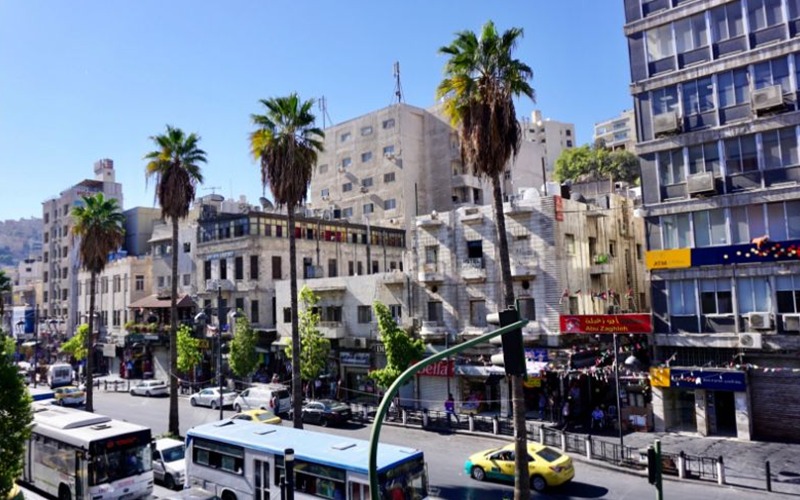
Downtown Amman, known locally as Al Balad, is often introduced through famous landmarks such as the Roman Theater, Al Husseini Mosque, and the Citadel rising above the city. But the true character of Downtown is also found in the smaller places hidden between its markets, stairways, alleys, rooftops, cafés, and historic buildings.

This is where old Amman remains part of everyday life. Traditional businesses operate beside modern creative spaces, local residents gather in cafés that have served generations, and narrow passages lead visitors toward unexpected views, heritage buildings, street food, bookshops, and small cultural destinations.

Many of Downtown’s most memorable experiences are easy to miss when following only the main tourist route. Some are located above busy shops, inside historic buildings, at the end of narrow alleys, or along the stairways connecting Al Balad with Jabal Amman and Jabal Al Weibdeh.

This guide takes you beyond the most familiar attractions to discover the hidden gems that give Downtown Amman its authentic atmosphere. Walk slowly, look above the storefronts, explore the side streets, and leave room for the places you may discover by accident.

Step Inside Duke’s Diwan

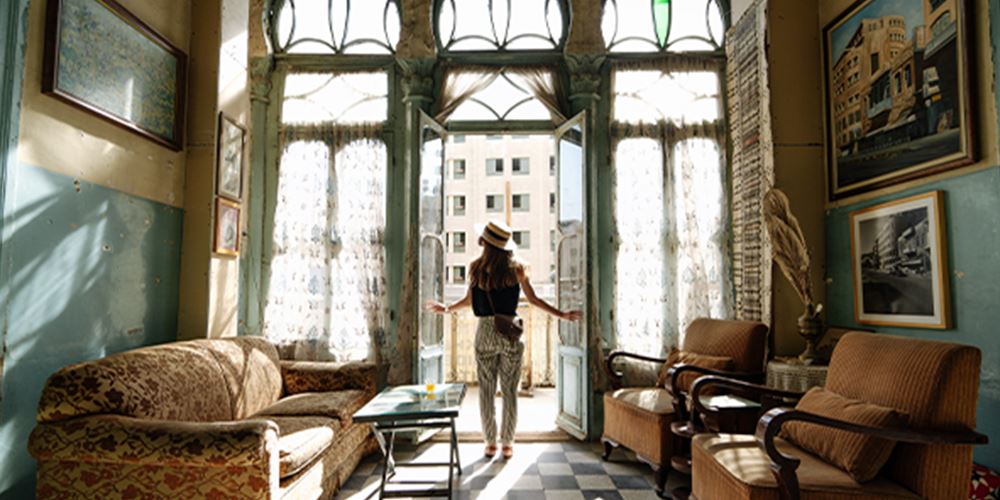
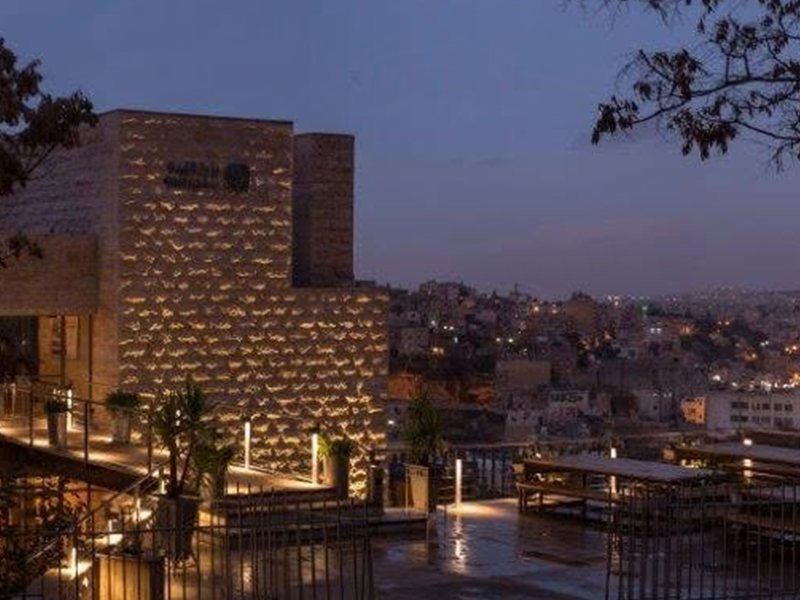
Hidden above the busy streets of Downtown Amman, Duke’s Diwan offers visitors a rare opportunity to step inside one of the city’s historic buildings and experience the atmosphere of old Amman.

The building served different purposes during its long history, including use as one of Amman’s early post offices and later as a hotel. It was eventually preserved and opened as a cultural and social space where artists, musicians, writers, residents, and visitors could gather.

From the street, the entrance can be easy to pass without noticing.

Downtown Amman

Duke’s Diwan

Discover the charm of Duke’s Diwan, a heartfelt tribute to Amman’s rich architectural heritage. Originally built in the 1930s as the city’s first post…
View Place

Once inside, visitors discover traditional floor tiles, old photographs, vintage furniture, balconies, stone walls, and architectural details that reflect Amman’s early urban character.

The Diwan feels more like entering a historic Ammani home than visiting a formal museum. Its informal atmosphere allows visitors to look closely at the rooms, appreciate the building’s details, and imagine Downtown during an earlier period.

It is also a meaningful example of how historic buildings can remain connected to contemporary cultural life rather than disappearing behind modern development.

Because access and activities may vary, visitors should be respectful of the space and confirm whether it is open before making a special journey.

Look carefully for the entrance and ask nearby shopkeepers if needed. The Diwan is located above street level and may be missed when walking quickly through Downtown.

Discover the Nymphaeum Hidden Among the Streets

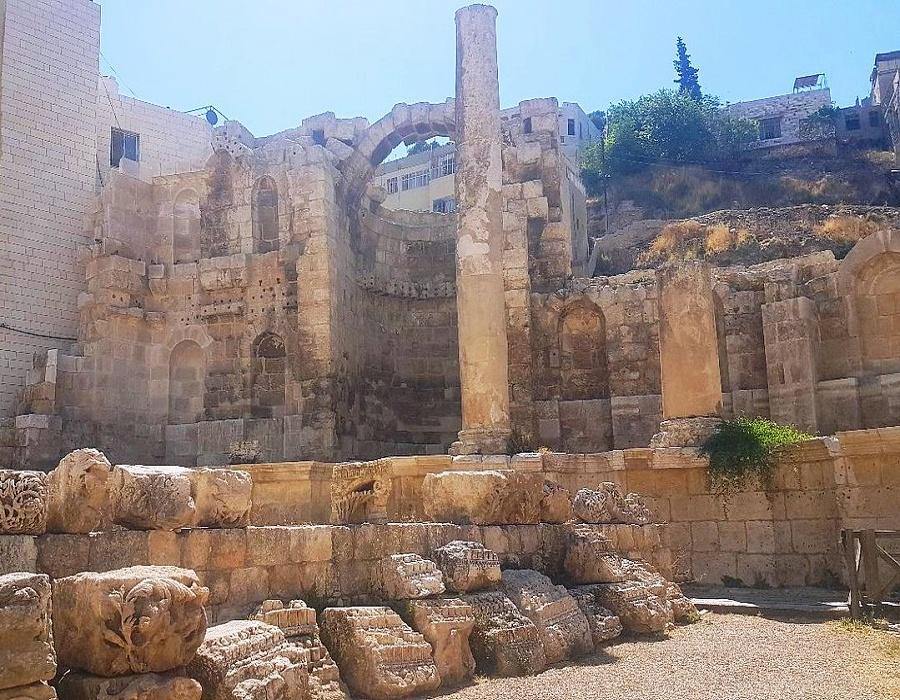
Ancient stone ruins with a tall central column and archways, scattered blocks on the ground under a bright sky.
Downtown Amman

Nymphaeum

Step into a piece of history with Nymphaeum, an architectural marvel built in 191 AD that once stood as a magnificent two-story complex. Imagine…
View Place

Many visitors walk through Downtown without realizing that the remains of a large Roman public fountain are located only a short distance from the markets and Al Husseini Mosque.

Built in 191 AD, the Nymphaeum was once an impressive two-story complex containing fountains, pools, stone carvings, mosaics, and decorative architectural features. Water played an important role in Roman public life, and structures like this were designed as both functional water facilities and impressive gathering places.

Although only part of the original structure remains, the surviving stonework gives visitors an idea of the scale and importance of the complex during ancient Philadelphia, the Roman name for Amman.

What makes the Nymphaeum especially interesting is its location within the modern city. Shops, traffic, markets, restaurants, and residential buildings surround the archaeological remains, creating a direct meeting between ancient history and everyday Downtown life.

The site is less prominent than the Citadel or Roman Theater, making it easy to overlook. For travelers interested in archaeology and the hidden historical layers of Amman, it provides a rewarding stop along a walking route through Al Balad.

Combine the visit with Al Husseini Mosque, Souq Al Sukkar, the Roman Theater, and nearby traditional markets.

The Nymphaeum is located within a busy part of Downtown. Use pedestrian crossings carefully and check current visitor access before planning to enter the archaeological area.

Walk Through Souq Al Sukkar

Souq Al Sukkar is one of the best places to experience the everyday rhythm of Downtown Amman away from the polished atmosphere of conventional tourist attractions.

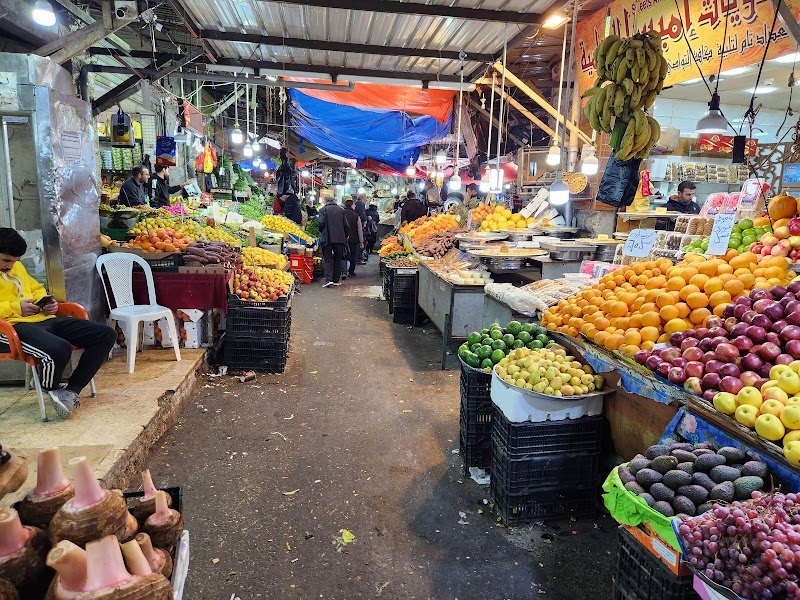
The traditional market is filled with fruit and vegetable stalls, spices, herbs, household products, local ingredients, and vendors calling out their daily offers. Its narrow walkways, colorful displays, conversations, and constant movement create an atmosphere that feels distinctly connected to local life.

This is not a market designed mainly for tourists. It remains a place where residents shop for fresh produce and everyday necessities, giving visitors a chance to observe a natural part of life in Al Balad.

Walk slowly through the market and notice the seasonal fruits, stacks of vegetables, bags of spices, traditional ingredients, and small surrounding shops. The market is especially interesting for travelers who enjoy street photography, food culture, and authentic urban experiences.

Souq Al Sukkar also demonstrates how traditional commerce continues to survive within a changing city. Families, merchants, restaurants, and small businesses still depend on the market, preserving its role within the social and commercial life of Downtown.

The market can easily be included in a walking route connecting Al Husseini Mosque, the Nymphaeum, Downtown’s clothing and gold markets, local restaurants, and traditional sweet shops.

Visit during the morning or early afternoon to experience the market at its most active. Keep pathways clear, ask before photographing vendors, and watch your belongings in crowded areas.

Experience the Atmosphere of an Old Downtown Café

Some of Downtown Amman’s most authentic experiences are found inside its traditional cafés, where residents have gathered for years to drink tea and coffee, play backgammon, smoke shisha, follow the news, and spend time in conversation.

Unlike modern coffee shops, these cafés are usually simple and unpretentious. Their character comes from old furniture, familiar customers, street-facing balconies, vintage details, and the constant movement of Al Balad outside.

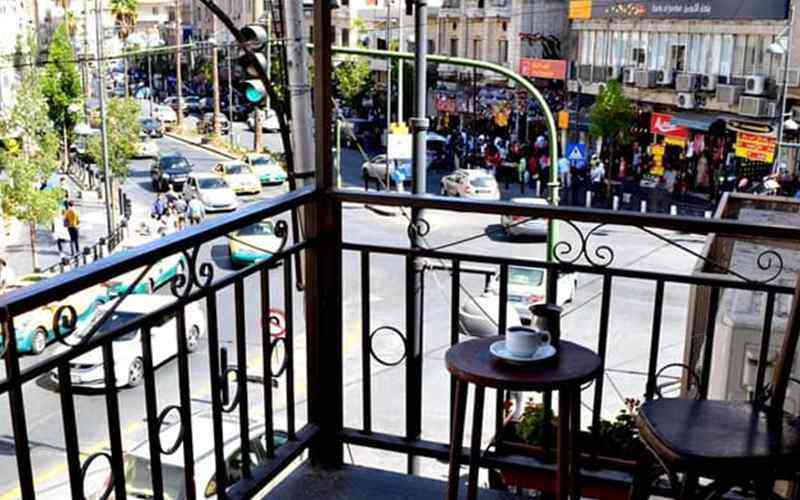
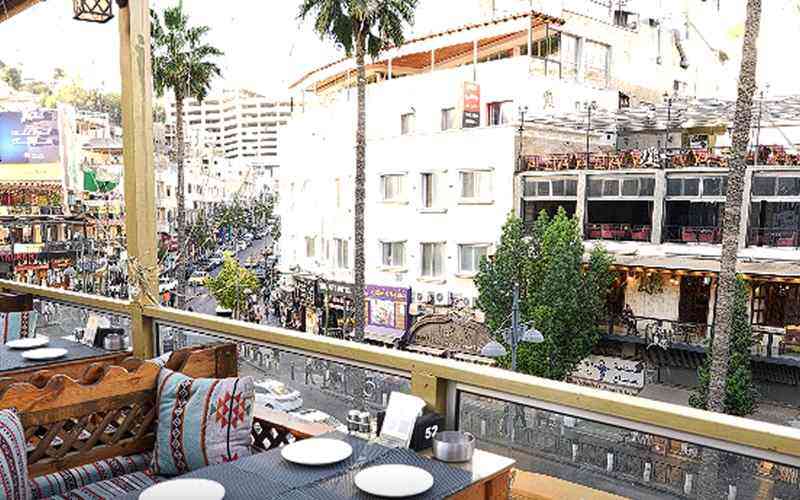
Central Café is one of the places where visitors can experience this older side of Amman. Sitting above the busy Downtown streets, it offers a view of the activity below while preserving the atmosphere of a traditional local gathering place.

Amoun Café at Balat Al Rasheed provides another nostalgic experience through its old-style surroundings and connection with Downtown’s social life.

Jafra Café combines traditional décor, food, music, and a distinctly Ammani atmosphere. Although better known than some of the smaller cafés, its entrance and upper-floor location can still be easily missed by visitors walking quickly through the surrounding streets.

Balcony railing overlooks a busy city street with cars, motorcycles, and pedestrians below; a small round table with a cup and saucer sits on the balcony in the foreground.
Downtown Amman

Central cafe

One of the classic old cafés in Downtown Amman where locals gather daily for tea, coffee, backgammon, and conversations. The atmosphere feels like stepping…
View Place
Logo with a stylized lightbulb shape containing a coffee cup and the word JAFRA, five stars beneath on a textured beige background.
Downtown Amman

Jafra Café

Jafra Restaurant & Cafe – Downtown Amman Located in the heart of Downtown Amman (Al Balad), Jafra Restaurant & Cafe is a distinctive destination…
View Place

Visiting one of these cafés is less about ordering something elaborate and more about slowing down, observing the city, and experiencing the social rhythm of old Amman.

Traditional cafés may allow indoor smoking and serve shisha. Check the seating options before entering if you prefer a smoke-free environment.

Follow the Alleys to Downtown’s Famous Food Stops

Some of Downtown Amman’s most memorable food experiences are hidden behind simple entrances, narrow passages, and tables placed between old buildings.

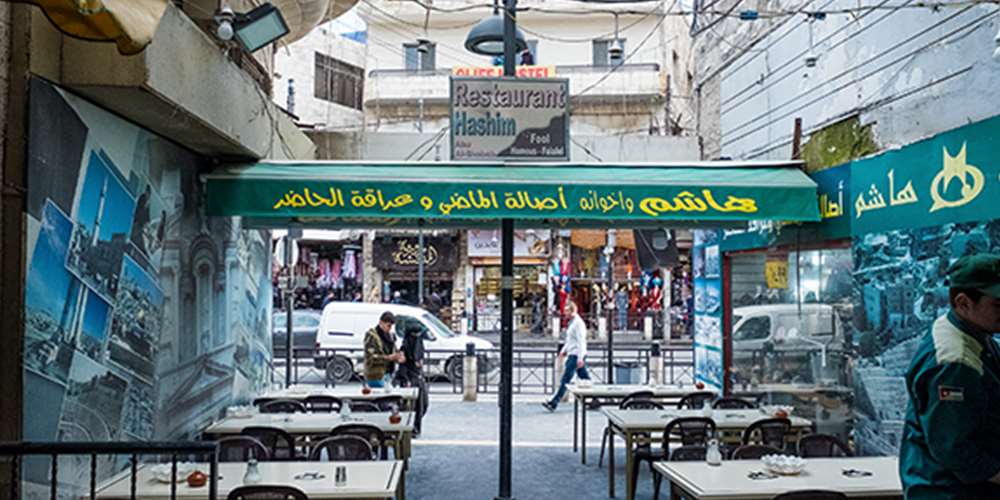
Hashem Restaurant has become one of the city’s most recognized places for falafel, hummus, foul, fresh bread, pickles, and tea. Despite its reputation, the restaurant maintains a simple atmosphere that feels closely connected to the everyday life of Downtown.

The experience is informal and social. Plates are placed in the middle of the table for everyone to share, customers sit close to one another, and the surrounding alley remains filled with the sounds and movement of Al Balad.

A short walk away, a narrow passage leads to Habibah Sweets, one of Amman’s best-known destinations for hot Nabulsi kunafa. Visitors often order at the counter and enjoy their dessert while standing or sitting in the small courtyard nearby.

The contrast between the modest surroundings and the popularity of these places is part of their charm. They demonstrate how some of Amman’s most memorable food experiences do not depend on elaborate decoration or formal service.

Combining a simple meal at Hashem with kunafa from Habibah has become a classic Downtown experience for residents and visitors alike.

Both places can become very busy during evenings, weekends, holidays, and meal times. Visit earlier if you prefer shorter queues and a quieter experience.

Downtown Amman

Hashem Restaurant

—Discover the charm of Hashem Restaurant, one of the oldest and most beloved dining spots in the country. With a rich history spanning over…
View Place

Climb the Historic Stairways Above Downtown

Amman’s stairways are more than shortcuts between streets. They connect Downtown with the neighborhoods built across the surrounding hills and reveal a side of the city that visitors travelling only by car may never experience.

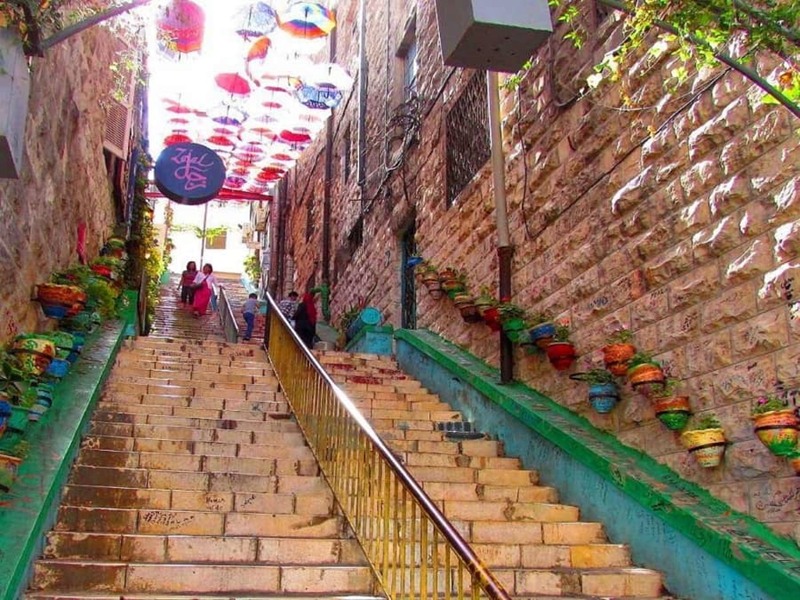
Al Kalha Stairway is one of the historic routes leading upward from Downtown toward Jabal Al Weibdeh. Along the way, visitors encounter old stone buildings, small shops, street art, cultural spaces, balconies, and changing views over the rooftops of Al Balad.

Narrow stone stairway between brick walls lined with colorful pots and hanging lanterns above.

Jadal for Knowledge and Culture is located inside a historic house along the stairway. The space hosts cultural conversations, workshops, community activities, and creative programs, adding a contemporary cultural identity to the old route.

Other stairways connect Downtown with Jabal Amman and nearby neighborhoods. Some are decorated with murals, umbrellas, plants, small cafés, or seating areas, while others remain simple pathways used daily by residents.

Climbing these stairs can be physically demanding, but the experience offers a closer look at how Amman’s neighborhoods connect vertically. Every few steps may reveal a different view, doorway, old sign, or architectural detail.

Do not treat the stairways only as a route to another destination. Take your time, pause along the way, and appreciate the small details that make Amman’s hillside character unique.

The stairways can be steep, uneven, and slippery during rain. Wear comfortable shoes, avoid blocking entrances to homes and businesses, and respect residents living along the route.

Find the Hidden Rooftops Above Al Balad

At street level, Downtown Amman feels crowded, fast, and full of movement. A few floors above the markets, however, hidden rooftops offer a completely different perspective of the old city.

These elevated cafés and restaurants reveal views of the Roman Theater, the Citadel, traditional buildings, minarets, busy streets, and homes climbing across the surrounding hills.

PASHIA Rooftop branding with a gold monogram logo and the slogan 'Where Taste Meets the View' on a blurred background.
Downtown Amman

Pasha Rooftop

Located in the heart of downtown Amman, this rooftop offers a unique perspective of the city’s historic center. It’s an excellent stop for visitors…
View Place

Pasha Rooftop is one of the places where visitors can step away from the activity below and enjoy a wider view of Downtown. Its elevated setting makes it a suitable stop for coffee, food, sunset photography, or a relaxed evening overlooking the historic center.

Ajwa’a Restaurant offers another rooftop experience hidden among the streets of Al Balad. It combines Jordanian food, family dining, and views over the surrounding city.

Part of the experience is finding these places. Their entrances may be located between ordinary storefronts or inside buildings that do not immediately appear to contain a rooftop venue.

Late afternoon is an ideal time to visit. You can watch the sunlight change across Amman’s stone buildings and remain as the city lights begin to appear after sunset.

Ask whether rooftop seating is available before ordering, especially during busy evenings or changing weather. Some venues may also allow smoking or serve shisha.

Look Beyond the Roman Theater

The Roman Theater is one of Downtown Amman’s most famous landmarks, but several smaller cultural and archaeological places around it are often overlooked.

Beside the main theater stands the Odeon, a smaller Roman performance venue that once hosted music, poetry, and public gatherings. Its intimate scale offers a different experience from the larger theater and helps visitors understand the variety of entertainment spaces in ancient Philadelphia.

The wings of the Roman Theater also contain two small museums. The Jordan Folklore Museum presents objects connected with traditional ways of life, while the Museum of Popular Traditions displays clothing, jewellery, embroidery, and cultural items representing Jordan and communities from the wider region.

Many visitors photograph the Roman Theater and leave without entering these museums or exploring the surrounding complex. Taking additional time reveals more about Jordanian social history and the cultural traditions preserved alongside the archaeological site.

The nearby Hashemite Plaza is also worth experiencing beyond a quick photograph. In the late afternoon and evening, the open space becomes part of Downtown’s daily life as families, children, street vendors, and visitors gather beneath the surrounding hills.

The area demonstrates how ancient landmarks in Amman remain closely connected to the life of the modern city rather than standing apart from it.

Ask at the Roman Theater entrance whether access to the museums and Odeon is included or available, as ticket arrangements and opening hours may change.

Downtown Amman

Folklore Museum

Discover a treasure trove of culture and history at the Folklore Museum of Costume and Fashion. Since its humble beginnings in 1971, this cherished…
View Place

Discover the Old Trades Hidden Behind Downtown’s Shopfronts

Some of Downtown Amman’s most interesting places are not formal attractions. They are the small shops and workshops that have served local residents for decades and continue to preserve traditional skills, products, and commercial relationships.

As you move away from the main streets, you may find tailors, watch repairers, shoemakers, spice merchants, perfume shops, traditional clothing stores, bookshops, frame makers, jewellers, and businesses selling household products that are difficult to find in modern shopping centers.

Many of these shops are narrow and filled from floor to ceiling with merchandise. Old signs, wooden shelves, handwritten prices, vintage tools, and conversations between merchants and long-time customers give each place its own character.

Downtown’s gold market offers another distinctive experience through rows of jewellery shops, illuminated displays, and the constant activity of customers comparing traditional and contemporary designs.

Small bookshops and street booksellers provide a quieter contrast. Their collections may include Arabic literature, history, religion, schoolbooks, magazines, and older publications gathered over many years.

Exploring these businesses helps visitors understand that Al Balad is not preserved only as a historic district. It remains a working commercial center where traditional trades continue as part of everyday life.

Browse respectfully and ask before taking close photographs inside shops or workshops. Buying a small locally made product is a meaningful way to support Downtown’s independent businesses.

Experience Downtown Before the Crowds and After Sunset

The character of Downtown Amman changes throughout the day. Visiting at different hours can make the same streets feel like completely different places.

Early in the morning, Al Balad moves at a slower pace. Shopkeepers begin opening their businesses, bakeries prepare fresh bread, produce arrives at the markets, and local restaurants serve falafel, hummus, foul, and tea to their first customers.

This is one of the best times for photography and relaxed walking. The streets are generally quieter, the light is softer, and architectural details are easier to notice before traffic and shopping activity increase.

By midday, the markets become busier and the energy of Downtown reaches its peak. Vendors call out their offers, restaurants fill with customers, and the streets connect workers, shoppers, residents, and visitors moving between different parts of the city.

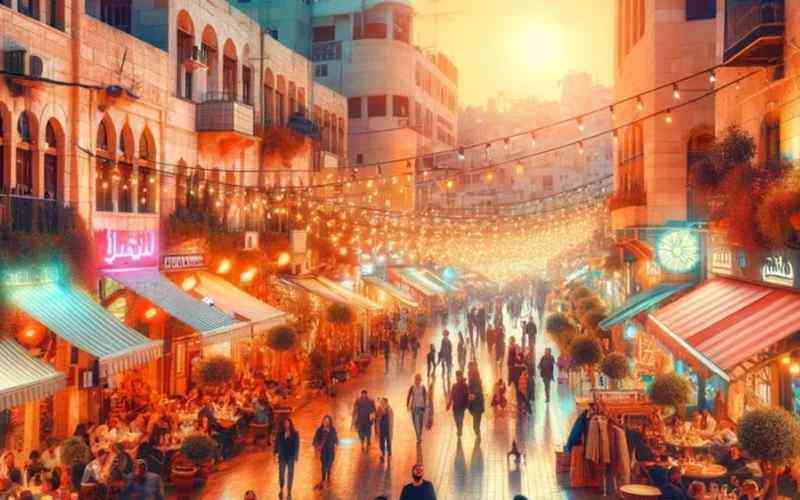
After sunset, Al Balad takes on another identity. Restaurant signs, sweet shops, cafés, market lights, and the illuminated Roman Theater transform the surrounding streets.

Families and groups of friends gather around the Hashemite Plaza, dessert shops become especially active, and rooftops offer views of the lights spreading across Amman’s hills.

Visitors who only explore Downtown briefly during the middle of the day miss these quieter morning moments and lively evening experiences.

For the fullest experience, visit Downtown once in the morning for markets and walking, and return on another evening for food, cafés, city lights, and the atmosphere around the Roman Theater.

A Walking Route Through Downtown’s Hidden Gems

The best way to discover Al Balad is on foot. This flexible route combines archaeological remains, markets, food, heritage buildings, cafés, and historic stairways without requiring visitors to cross the city by car.

1. Begin at the Roman Theater

Start near the Roman Theater and Hashemite Plaza. Explore the Odeon and the small museums if they are open before walking toward the commercial streets of Downtown.

2. Continue to the Nymphaeum

Walk toward the Nymphaeum and take time to notice how the Roman remains sit between modern shops, traffic, homes, and everyday street activity.

3. Pass Al Husseini Mosque

Continue toward Al Husseini Mosque and observe the busy streets surrounding it. Remember that it is an active place of worship and enter only when access is permitted.

4. Explore Souq Al Sukkar and the Nearby Markets

Walk through Souq Al Sukkar and the surrounding produce, spice, clothing, household, perfume, and gold markets. Allow time to browse the smaller streets rather than following only the main road.

5. Stop for a Traditional Downtown Meal

Continue toward Hashem Restaurant for falafel, hummus, foul, fresh bread, and tea. Afterwards, follow the nearby passage to Habibah Sweets for hot kunafa.

6. Visit Duke’s Diwan

Look for the entrance to Duke’s Diwan and step inside the historic building if it is open. Explore its old rooms, balconies, photographs, furniture, and architectural details.

7. Rest at a Traditional Café

Stop at Central Café, Amoun Café, Jafra Café, or another local café to rest and watch the rhythm of Downtown from a slower perspective.

8. Finish on a Historic Stairway or Rooftop

End the route by climbing one of the stairways connecting Downtown with Jabal Amman or Jabal Al Weibdeh, or choose a rooftop venue for sunset and views across the old city.


The route includes crowded streets, uneven pavements, slopes, and stairways. Wear comfortable shoes, carry water, use pedestrian crossings carefully, and allow at least half a day without rushing.

Frequently Asked Questions About Downtown Amman

Downtown Amman is commonly known as Al Balad, meaning the central or old commercial heart of the city.

Allow at least half a day for a comfortable walking route. A full day gives you more time for archaeological sites, markets, museums, local food, cafés, stairways, and rooftop views.

Most attractions and markets within Downtown can be reached on foot. However, the area includes crowded streets, uneven pavements, slopes, and steep stairways leading toward the surrounding hills.

Duke’s Diwan, the Nymphaeum, Souq Al Sukkar, traditional cafés, historic stairways, small museums around the Roman Theater, old trades, local food alleys, and hidden rooftops are among the area’s most rewarding discoveries.

Popular choices include falafel, hummus, foul, shawarma, grills, fresh bread, Arabic coffee, tea, kunafa, and other traditional sweets.

Morning is ideal for markets, traditional breakfast, photography, and quieter walking. Late afternoon and evening are best for restaurants, cafés, rooftops, dessert shops, city lights, and the atmosphere around the Roman Theater.

Wear comfortable walking shoes and practical, modest clothing. A light jacket may be useful during cooler evenings, and sun protection is recommended during warmer months.

Street photography is generally part of the Downtown experience, but always ask permission before photographing people, vendors, private shops, workshops, or religious buildings.

Discover the Downtown Amman Most Visitors Miss

The hidden gems of Downtown Amman are not defined only by famous names or major monuments. They are found in the details: an old tiled floor, a narrow staircase, a crowded produce market, a balcony above the street, a small workshop, the aroma of fresh bread, or a conversation over tea.

Al Balad rewards visitors who slow down and look beyond the obvious. Its historic buildings, Roman remains, cafés, markets, food alleys, rooftops, and traditional businesses reveal different layers of the city’s identity.

Some places in this guide may be easy to find, while others may require asking a shopkeeper, following a staircase, looking above the storefronts, or simply allowing curiosity to guide you.

This sense of discovery is what makes Downtown special. It remains a living part of Amman rather than an area preserved only for tourism.

Visit the landmarks, but also make time for the ordinary places between them. These smaller moments often become the memories that stay with visitors long after leaving the city.

Explore Downtown Amman with Ordonna

Use Ordonna to discover tourist attractions, traditional restaurants, cafés, markets, museums, cultural spaces, shops, rooftops, and essential services throughout Downtown Amman.

Browse the curated listings in this guide for locations, directions, contact information, working hours, and more details about each place.

More Places and Destinations You Will Love