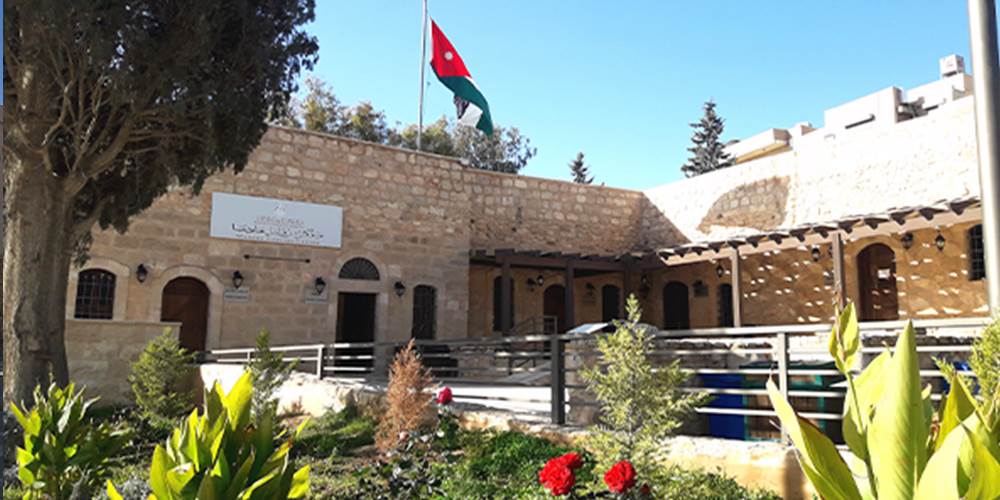
The Tomb of Bilal bin Rabah
Address:
Bayader Wadi Al-Seer Industrial Area, Amman

Jordan is a living landscape of faith, pilgrimage, memory, and shared sacred history. Biblical locations, early Christian churches, Islamic shrines, historic mosques, pilgrimage routes, and communities of worship appear across the Jordan Valley, Madaba, Mount Nebo, Amman, Ajloun, Karak, Tafilah, and other parts of the Kingdom.
This guide introduces major religious destinations with respect for different traditions. It also provides practical etiquette, route ideas, and Ordonna W2DC listings to help visitors plan meaningful journeys rather than simply collect landmarks.
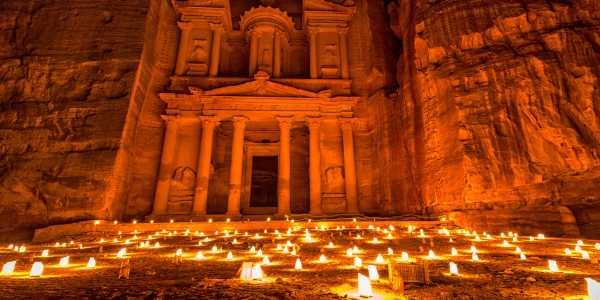
Explore Al-Maghtas, Mount Nebo, Madaba, Mukawir, Anjara, Tell Mar Elias, ancient churches, mosaics, and early pilgrimage landscapes.
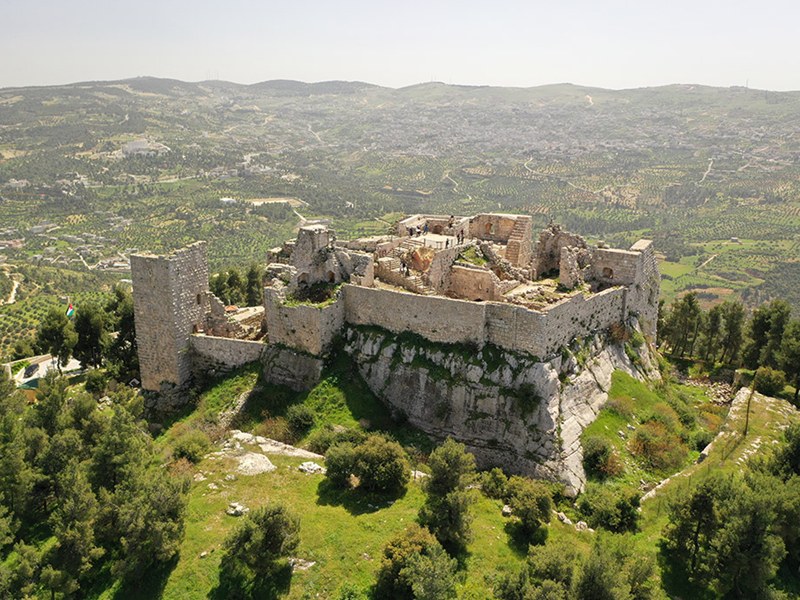
Visit historic mosques, the Cave of the Seven Sleepers, and sites associated with prophets, companions, and the Battle of Mu’tah.
Travel through places respected across traditions while experiencing Jordan’s long culture of hospitality and coexistence.
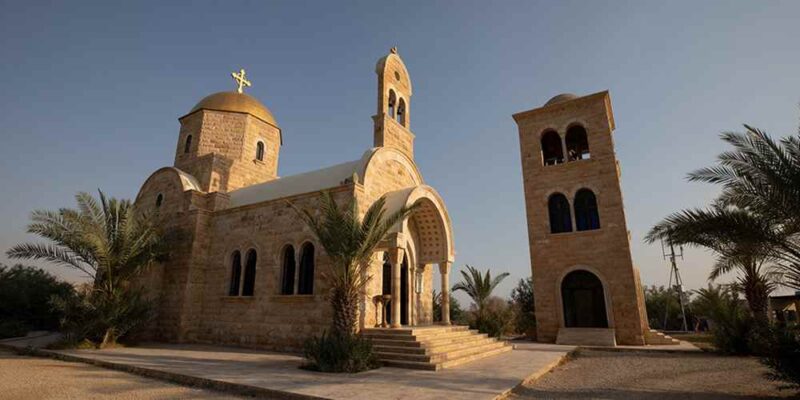
The Baptism Site of Jesus Christ at Al-Maghtas lies on the eastern bank of the Jordan River, north of the Dead Sea. UNESCO recognizes the site as a World Heritage property, and major Christian traditions accept it as the location associated with the baptism of Jesus by John the Baptist.
The protected landscape includes archaeological remains connected with early pilgrimage and baptism, Tell el-Kharrar—also known as Elijah’s Hill—and the area of the Churches of Saint John the Baptist. A visit is both historical and spiritual, and should be approached quietly.
Access arrangements, guided movement, services, religious ceremonies, and river conditions can change. Confirm official opening information and allow enough time for the site rather than treating it as a quick photo stop.
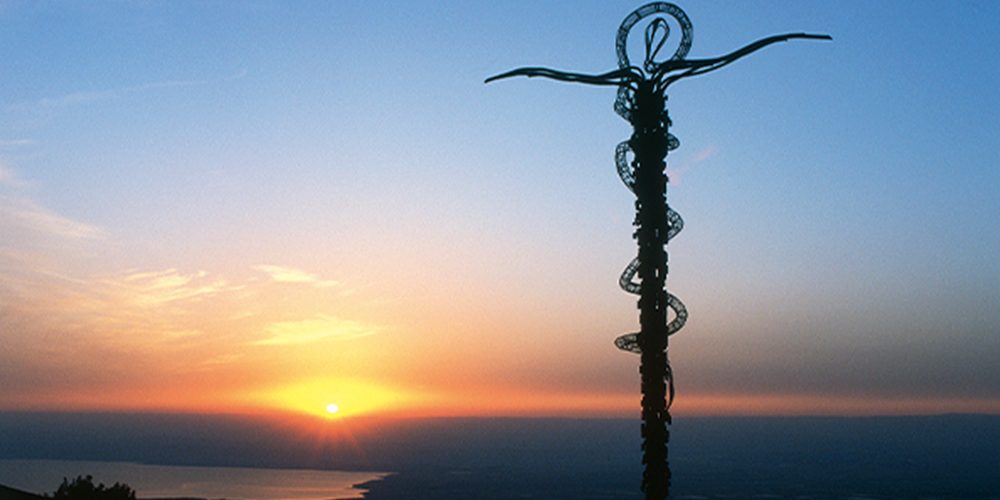
Mount Nebo is traditionally associated with the place where the Prophet Moses viewed the Holy Land. The site includes a memorial church, monastery history, mosaics, archaeological remains, and a broad view across the Jordan Valley and Dead Sea on clear days.
Nearby Madaba is known for churches, Christian communities, historic streets, and the famous mosaic map preserved in Saint George’s Church. The city also provides an excellent base for exploring Mount Nebo, Mukawir, the Baptism Site, and the wider religious landscape.
Madaba, Mount Nebo, and Al-Maghtas can be combined geographically, but each deserves time. A slower itinerary allows visitors to understand the relationship between the sites, landscape, worship, and centuries of pilgrimage.
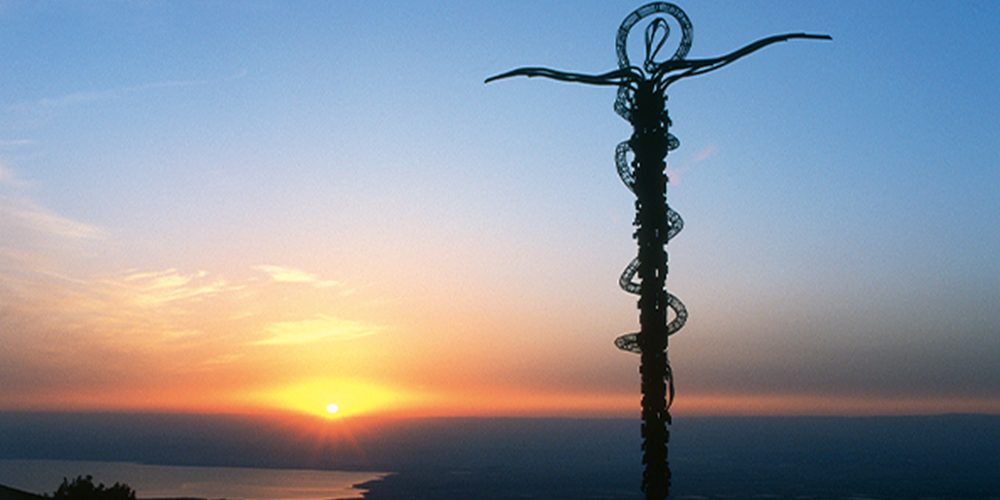
Mukawir, the ancient Machaerus, is traditionally associated with the imprisonment and martyrdom of John the Baptist. Its hilltop ruins overlook the Dead Sea region and create a powerful connection between sacred narrative, archaeology, and landscape.
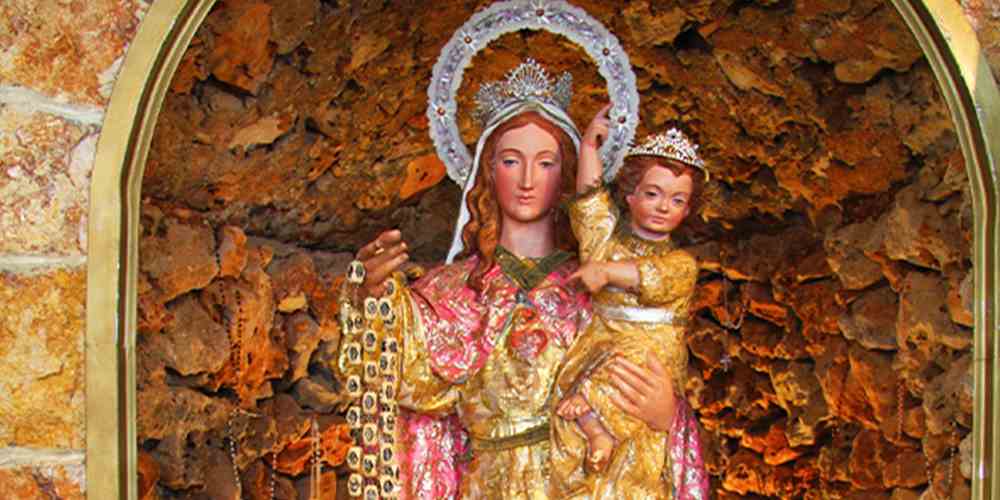
In Anjara, the Church of Our Lady of the Mountain commemorates a tradition connected with Jesus, his disciples, and the Virgin Mary passing through the region. Tell Mar Elias near Ajloun is associated with the Prophet Elijah and preserves remains of Byzantine churches and mosaics.
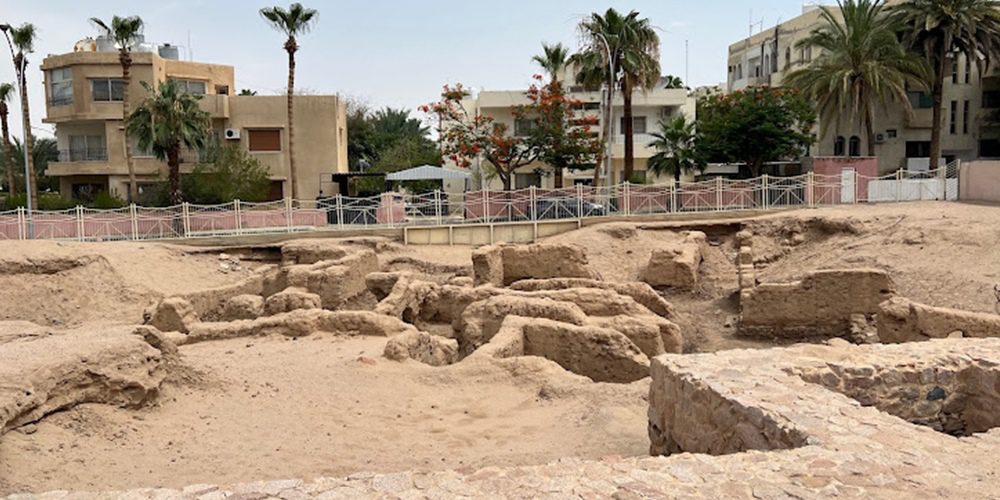
Other Christian heritage across Jordan includes early church remains in Aqaba, mosaics and churches around Madaba, monastic sites, and communities that continue to worship in historic and modern churches.
Some destinations are archaeological sites, while others are functioning churches or pilgrimage centers. Visiting rules, photography, dress, and access during services will differ.
Use the Ordonna W2DC map and listings to discover mosques, churches, shrines, pilgrimage sites, and other religious places. Open each listing for available location, contact, and visitor information.
Jordan’s Islamic heritage includes historic mosques, places traditionally associated with prophets, and shrines connected with companions of the Prophet Muhammad. In the Jordan Valley, destinations are associated with Abu Ubaidah Amir ibn al-Jarrah, Muadh ibn Jabal, Shurahbil ibn Hasana, and Dirar ibn al-Azwar.
At Al-Mazar Al-Janoubi near Karak, visitors remember the commanders associated with the Battle of Mu’tah: Ja’far ibn Abi Talib, Zayd ibn Harithah, and Abdullah ibn Rawahah. Tafilah also holds sites associated with companions and local Islamic heritage.
The Cave of the Seven Sleepers near Amman is traditionally connected with the story of the Companions of the Cave. Visitors should distinguish between religious tradition, local identification, and archaeological interpretation while respecting the site’s importance.
Keep voices low, dress modestly, follow gender and prayer-area arrangements, remove shoes where required, and never interrupt prayer or private devotion.
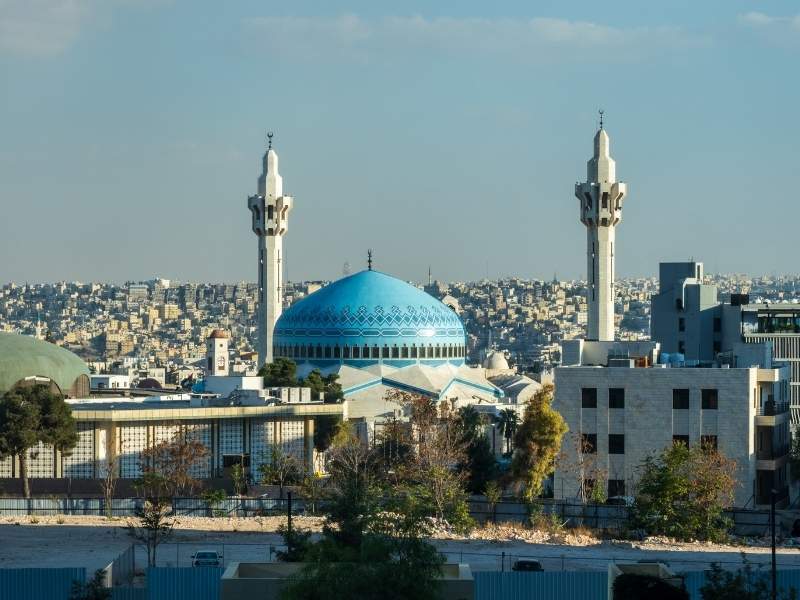
Religious tourism in Jordan is not limited to ancient stones. Churches, mosques, religious schools, charitable institutions, festivals, Ramadan evenings, Christmas celebrations, and ordinary neighborhood life show how faith continues within modern Jordan.
Visitors will often see mosques and churches within the same city or district. Respectful coexistence is part of Jordan’s social fabric, but religious communities are not tourist performances. Ask permission before photographing people, ceremonies, clergy, or worshippers.
Use local guides, eat at nearby restaurants, purchase appropriate local products, and give donations only through clear and trusted channels. Avoid pressuring anyone into religious discussion or photography.
Begin in Madaba, continue to Mount Nebo, and visit Al-Maghtas with confirmed opening times and enough daylight.
Choose either the Jordan Valley companions’ sites or Al-Mazar Al-Janoubi and nearby Karak heritage rather than rushing between distant regions.
Combine Amman, Madaba, Mount Nebo, Al-Maghtas, Ajloun, the Jordan Valley, Karak, and selected community visits over several days.
Choose modest clothing that covers shoulders and knees. Some places may require additional covering. Keep voices low, silence phones, follow posted instructions, and avoid public displays that conflict with the sacred character of the site.
Access may be limited during prayers, Mass, ceremonies, religious holidays, or private events. Visitors should never enter restricted worship areas or interrupt a service for photographs.
Ask before photographing worshippers, clergy, ceremonies, icons, relics, tombs, or interiors. Flash, tripods, filming, and commercial photography may be prohibited even when ordinary photographs are allowed.
A knowledgeable guide can explain history, archaeology, religious tradition, and differences between interpretations. Choose respectful language and distinguish clearly between documented history, scripture, and local tradition.
Some sites include slopes, stairs, uneven archaeological ground, long outdoor walks, or limited shade. Contact the destination about transport, wheelchairs, seating, toilets, and accessible entrances before travelling.
Schedules, entrance arrangements, guided access, and services can change. Check directly with the official site or place of worship, especially during Ramadan, Eid, Christmas, Easter, and major pilgrimage events.
Jordan’s sacred places are most rewarding when approached with patience, humility, and curiosity. The goal is not simply to see famous locations, but to understand how landscape, memory, worship, archaeology, and community have shaped the country.
Use the Ordonna W2DC map and listings above to discover religious places, then confirm current visitor information directly before travelling.