
Industrial Estates, Development Zones and Free Zones in Jordan
Choosing where to establish an investment can be just as important as choosing what to invest in.
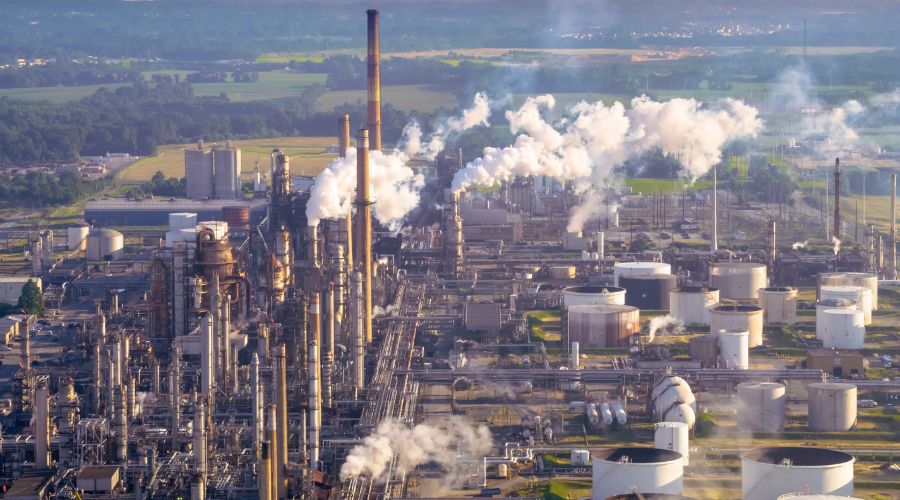
Across Jordan, industrial estates, development zones, free zones and specialized economic areas provide investors with different combinations of infrastructure, land, ready-built facilities, logistics access, investment incentives and proximity to workers, suppliers and markets.
These locations support activities ranging from manufacturing and logistics to technology, tourism, agriculture and professional services.
For an investor, however, the terms industrial estate, development zone and free zone do not necessarily mean the same thing. Each location can have its own purpose, regulations, incentives and operating environment.
This guide introduces Jordan’s major investment locations, explains the differences between them and helps investors understand what to consider when choosing where to establish a project.
Industrial Estate, Development Zone or Free Zone?
Before selecting a location, investors should understand the basic differences between the types of investment areas available in Jordan.
An industrial estate is primarily designed to accommodate manufacturing and industrial businesses. These estates typically provide serviced industrial land, infrastructure and, in some cases, ready-built factory buildings.
A development zone is a designated area established to encourage investment and economic activity. Development zones may specialize in industry, technology, tourism, agriculture or other sectors and can provide investors with specific regulatory and investment advantages.
A free zone is generally designed to facilitate trade, storage, manufacturing, logistics and other economic activities under a specialized customs and tax framework.
Jordan also has specialized economic areas, most notably the Aqaba Special Economic Zone, which operates under its own investment and regulatory framework.
The best option depends on the project’s activity, customers, supply chain, import and export requirements, workforce and long-term expansion plans.
Industrial Estates in Jordan
Jordan has developed a network of industrial estates designed to provide manufacturers with suitable locations for establishing and expanding production facilities.
These estates can offer developed industrial land, infrastructure, factory buildings and investor services while bringing manufacturers and supporting businesses together within concentrated industrial locations.
Major industrial estates include:
Abdullah II Ibn Al-Hussein Industrial Estate
Al-Hassan Industrial Estate
Al-Hussein Bin Abdullah II Industrial Estate
Al-Muwaqar Industrial Estate
Madaba Industrial Estate
Salt Industrial Estate
Tafilah Industrial Estate
Aqaba International Industrial Estate
Zarqa Industrial Estate
The characteristics of each estate differ according to its location, available land and facilities, surrounding workforce, transportation links and the industries operating within it.
Investors should therefore compare estates based on the requirements of the project rather than selecting a location based only on land or rental cost.
Abdullah II Ibn Al-Hussein Industrial Estate
Located in the Sahab area southeast of Amman, Abdullah II Ibn Al-Hussein Industrial Estate is one of Jordan’s most established manufacturing locations.
Its position within the greater Amman industrial economy provides access to the country’s largest population and business center as well as suppliers, professional services, transportation networks and a large workforce.
The estate accommodates manufacturers from a wide variety of sectors, making it relevant to investors looking for an established industrial ecosystem rather than an isolated production location.
For businesses that need regular interaction with customers, suppliers, government services or professional firms in Amman, the estate’s location can be particularly valuable.
Investors should evaluate available industrial land or factory facilities, utility requirements, transportation needs and the suitability of the estate for their specific manufacturing activity.
Al-Hassan Industrial Estate
Al-Hassan Industrial Estate is located in northern Jordan near Ramtha and serves as an important industrial center for the northern part of the Kingdom.
Its location gives manufacturers access to the workforce and commercial activity of Irbid Governorate while positioning businesses relatively close to Jordan’s northern borders.
The estate accommodates a range of manufacturing activities and provides an alternative to locating an industrial project within the greater Amman area.
For investors, Al-Hassan Industrial Estate may be particularly relevant when workforce availability, northern supply chains or access to northern Jordan are important considerations.
As with every industrial location, investors should examine the infrastructure, available facilities, transportation requirements and suitability of the location for their particular production process.
Al-Hussein Bin Abdullah II Industrial Estate
Al-Hussein Bin Abdullah II Industrial Estate provides an important industrial investment location in Karak Governorate in southern Jordan.
The estate offers developed industrial land, ready-built factory facilities and supporting infrastructure while giving investors an alternative to concentrating manufacturing operations around Amman and Zarqa.
Its southern location can also be relevant for businesses whose supply chains or export strategies benefit from access toward Aqaba.
Special incentives have been introduced to encourage industrial investment in the estate, making it particularly important for investors comparing the economics of different manufacturing locations.
For projects with significant electricity, land or workforce requirements, investors should examine the current incentive packages available alongside the underlying logistics and operational requirements of the business.
Aqaba International Industrial Estate
Aqaba offers a fundamentally different investment proposition from many inland industrial locations.
Aqaba International Industrial Estate gives manufacturers and other businesses access to an industrial environment within Jordan’s principal maritime and logistics gateway.
For companies dependent on imported raw materials, international shipping or export markets, proximity to Aqaba’s port infrastructure can be a significant consideration.
Potential investors should examine the complete supply chain rather than simply measuring distance from Amman. For certain export-oriented industries, locating closer to the port can reduce inland transportation requirements and simplify logistics.
Aqaba also forms part of the wider Aqaba Special Economic Zone, creating a broader ecosystem encompassing industry, logistics, tourism, trade and services.
Industrial Investment Across Jordan
Industrial investment in Jordan is not limited to Amman, Irbid, Karak and Aqaba.
Industrial estates in Madaba, Salt, Muwaqar and Tafilah provide additional options for investors seeking locations in different parts of the Kingdom.
Zarqa Industrial Estate represents another important development in Jordan’s industrial infrastructure and is being developed with an emphasis on environmentally responsible industrial development.
These locations can help distribute investment and employment beyond the country’s traditional industrial centers while giving businesses alternatives based on workforce, land availability, infrastructure and supply-chain requirements.
Investors should also look beyond formally managed industrial estates. Jordan contains numerous established industrial areas and manufacturing clusters where factories, workshops, suppliers and supporting businesses have developed over many years.
Understanding both formal industrial estates and the wider industrial geography of Jordan can provide a more complete picture of the locations available to manufacturers.
Development Zones in Jordan
Jordan’s development zones extend the investment-location concept beyond traditional industrial estates.
Development zones are designated to stimulate economic activity and investment and can support different sectors depending on the location and development strategy.
They include industrial, technology, tourism, agricultural and other specialized investment environments.
Among Jordan’s development zones are locations associated with Sahab, Al-Hassan, Karak, Mafraq, Irbid, Muwaqar, Tafilah, Salt, Madaba, Zarqa, Jerash, Ma’an, the Dead Sea, Ajloun and other investment areas.
King Hussein Bin Talal Development Area in Mafraq is particularly important for investors considering northeastern Jordan, while Ma’an Development Zone provides opportunities connected with southern Jordan.
Other specialized zones can target sectors ranging from technology and services to tourism and agro-industrial investment.
Investors should evaluate each development zone individually because its intended activities, infrastructure, incentives and competitive advantages may differ considerably from another zone.
Free Zones in Jordan
Free zones provide another option for businesses involved in international trade, manufacturing, storage, logistics and re-export activities.
Their specialized customs and regulatory environment can make them particularly relevant to businesses whose operations involve significant movement of goods across international borders.
An investor considering a free zone should evaluate more than the potential tax or customs treatment.
The location of customers, suppliers and employees, transportation costs, storage requirements, customs procedures and the destination of the final product can all affect whether a free-zone location is commercially suitable.
For a company primarily serving the Jordanian domestic market, the calculation may be very different from that of a manufacturer or trader focused on international markets.
Investors should therefore compare the complete operating model before deciding whether a free zone offers the right environment for their business.
Aqaba Special Economic Zone
The Aqaba Special Economic Zone occupies a unique position within Jordan’s investment landscape.
Aqaba combines Jordan’s principal seaport with industrial, logistics, tourism, commercial and residential development within a specialized economic framework.
For investors, this creates opportunities across multiple sectors rather than industry alone.
Manufacturers and logistics companies can benefit from proximity to maritime transportation, while tourism investors can access the Red Sea destination economy. Trade, warehousing, services and other activities form additional parts of Aqaba’s investment ecosystem.
The zone also operates under specialized tax and customs arrangements.
Because the Aqaba framework differs from other locations in Jordan, investors considering Aqaba should evaluate the regulations and incentives applicable specifically to their activity within the Special Economic Zone.
Investment Incentives Can Change the Location Decision
Investment incentives can significantly affect the economics of a project, particularly for manufacturing businesses with substantial capital, equipment, energy or land requirements.
Depending on the project and location, investors may encounter incentives related to customs duties, sales tax, income tax, land, buildings, electricity, employment or other operating costs.
Development zones and certain industrial locations may offer advantages that differ from those available to businesses established elsewhere.
Investors should therefore compare locations using the total projected cost of operating the business rather than simply comparing the purchase price or rent of industrial land.
Before purchasing machinery, signing a land agreement or committing capital, investors should verify which incentives apply to their project and what conditions must be met to receive them.
Current incentives should always be confirmed through the Ministry of Investment or the authority responsible for the relevant zone.
How to Choose the Right Investment Location
The cheapest industrial land is not necessarily the cheapest place to operate a business.
Investors should evaluate the complete operational picture.
Consider:
Workforce
Can the required employees and technical specialists be recruited within reasonable distance?
Suppliers
Where are the raw materials, packaging suppliers, maintenance companies and other businesses the operation will depend on?
Customers
Will the company primarily serve Amman, Jordan as a whole or international markets?
Transportation
How far will raw materials and finished products need to travel?
Port and border access
Will the business depend heavily on imports or exports?
Utilities
Does the project require significant electricity, water, gas or specialized infrastructure?
Land and buildings
Does the location offer suitable plots, ready-built factories or room for future expansion?
Incentives
What tax, customs, electricity, employment or land incentives may apply?
Regulations
Is the intended activity permitted in the location and what approvals are required?
The right investment location is the one where these factors work together to support the long-term competitiveness of the business.
Faster and More Digital Investor Services
Jordan is increasingly moving investment-zone services toward faster and more digital processes.
Investors can access electronic services for many investment procedures, while industrial-estate and development-zone authorities are working to simplify the journey from selecting a location to beginning operations.
Recent regulatory reforms have also introduced faster approaches to construction and occupancy permits in development and industrial cities and new compliance-based licensing mechanisms for certain economic activities.
For investors, these developments are important because the value of an investment location is determined not only by land and infrastructure but also by how efficiently a project can move from planning to operation.
Investors should explore the digital services and single-window facilities available for their chosen location before beginning the establishment process.
Jordan’s Wider Industrial Landscape
Jordan’s industrial economy extends far beyond formally designated industrial estates and development zones.
Across Amman, Zarqa, Irbid, Aqaba, Madaba, Balqa, Mafraq and other governorates are established industrial areas where manufacturers, workshops, warehouses, engineering businesses and suppliers operate.
These areas form an important part of Jordan’s real industrial ecosystem.
For investors researching a sector, understanding where existing manufacturers are concentrated can reveal potential suppliers, customers, competitors, workforce pools and supporting services.
This broader industrial geography can therefore be just as important as understanding the country’s formally designated investment zones.
Exploring both provides investors with a more realistic picture of where Jordan’s industries actually operate.
From Location to Manufacturing Opportunity
Selecting the right industrial location is only part of the investment decision.
The next step is understanding the industries already operating in Jordan, the manufacturing capabilities that have developed around them and the opportunities available within domestic and export markets.
Existing manufacturers can reveal where supply chains are established, where specialized skills are available and where opportunities may exist for new products, suppliers and supporting industries.
Continue with the final guide in the Invest in Jordan series:
Manufacturing in Jordan: Industries, Manufacturers and Export Opportunities
Find the Location That Fits the Investment
Jordan offers investors a diverse range of locations.
An established industrial estate near Amman may provide access to a large workforce and supplier network. A northern industrial location may support a different supply chain. Karak or Ma’an may offer attractive conditions for particular industrial projects, while Aqaba can provide important advantages for businesses dependent on maritime trade.
There is no single location that is right for every investment.
The strongest decision comes from matching the requirements of the business with the infrastructure, workforce, logistics, incentives and industrial ecosystem of the location.
Choose the sector. Study the infrastructure. Compare the incentives. Find the right place to invest.
Find the Location That Fits the Investment
Jordan offers investors a diverse range of locations.
An established industrial estate near Amman may provide access to a large workforce and supplier network. A northern industrial location may support a different supply chain. Karak or Ma’an may offer attractive conditions for particular industrial projects, while Aqaba can provide important advantages for businesses dependent on maritime trade.
There is no single location that is right for every investment.
The strongest decision comes from matching the requirements of the business with the infrastructure, workforce, logistics, incentives and industrial ecosystem of the location.
Choose the sector. Study the infrastructure. Compare the incentives. Find the right place to invest.