Things to Do in Amman

Discover the historic landmarks, cultural treasures, local neighborhoods, traditional food, modern attractions, and unforgettable experiences that make Jordan’s capital one of the most fascinating cities in the region.

Amman is a city where thousands of years of history meet the energy of modern Jordanian life. Ancient ruins overlook busy markets, traditional restaurants stand beside contemporary cafés, and historic neighborhoods connect naturally with modern shopping and entertainment districts.

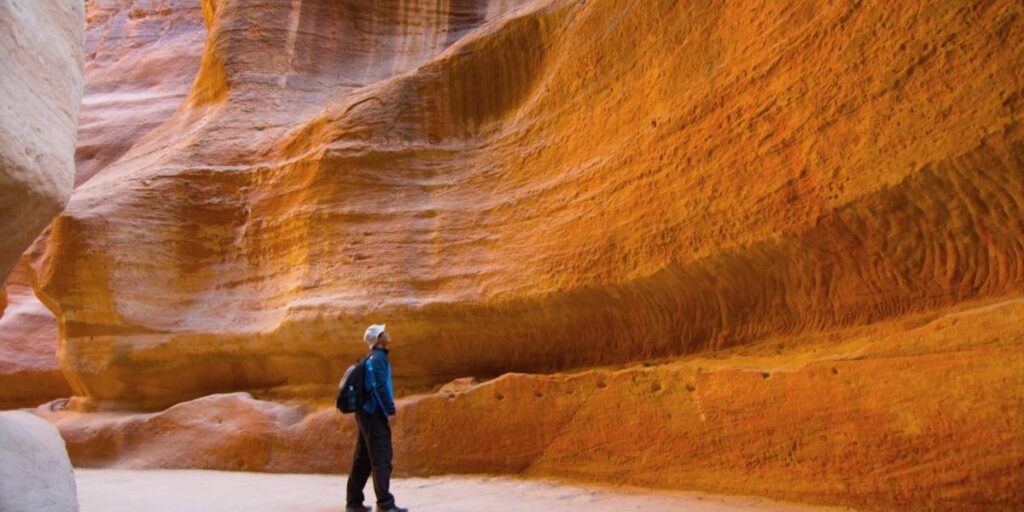
For first-time visitors, Amman is much more than a starting point for journeys to Petra, Wadi Rum, or the Dead Sea. The capital offers its own rewarding experiences through archaeological landmarks, museums, art galleries, local food, traditional markets, family attractions, cultural spaces, and welcoming neighborhoods.

Each part of the city reveals a different side of Jordan. Downtown Amman offers street life, markets, historic buildings, and popular local food. Jabal Amman and Jabal Al Weibdeh are known for their cafés, galleries, heritage houses, and creative atmosphere. Newer districts such as Abdali introduce visitors to the contemporary side of the capital.

Whether you have one day or several days to explore, this guide will help you discover the best things to do in Amman and experience the city’s history, culture, food, and everyday character.

Explore Downtown Amman

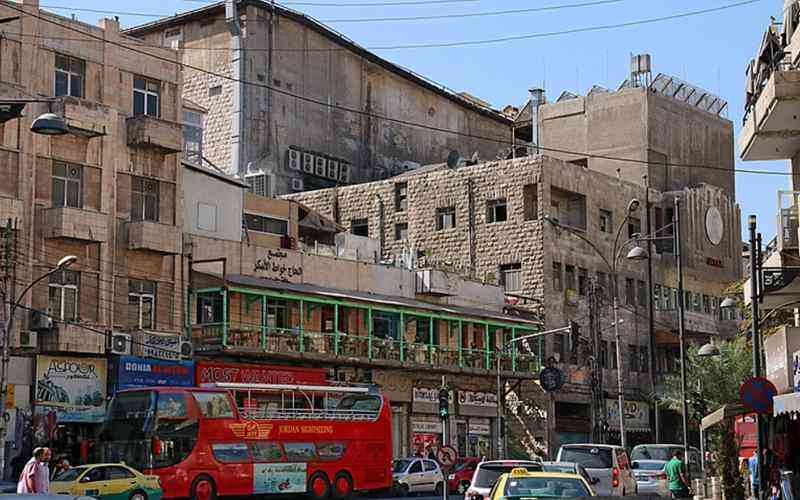
Downtown Amman, locally known as Al Balad, is one of the best places to begin exploring the capital. Its crowded streets, traditional markets, historic buildings, restaurants, bakeries, cafés, and small shops offer visitors an authentic introduction to everyday life in the city.

Walking through Downtown is an experience in itself. Visitors can explore markets selling spices, fresh produce, clothing, perfumes, gold, household products, souvenirs, and traditional handicrafts. The surrounding streets are filled with the sounds, colors, and aromas that give old Amman its distinctive character.

Busy city street with beige storefronts, parked cars, and a red double-decker tour bus in the foreground.

Hidden Gems in Downtown Amman

Step beyond the famous landmarks and discover the historic stairways, traditional markets, old cafés, cultural spaces, local food, rooftop views, and hidden corners that reveal the authentic character of Al Balad.

View Place

Downtown is also one of the best places to experience Jordanian food. Visitors can try falafel, hummus, foul, shawarma, grilled meats, fresh juices, kunafa, and other traditional sweets from restaurants and shops that are popular with local residents.

Several important attractions are located within or near Downtown, including the Roman Theater, the Odeon, the Nymphaeum, Al Husseini Mosque, Duke’s Diwan, and the stairways connecting Al Balad with Jabal Amman and Jabal Al Weibdeh.

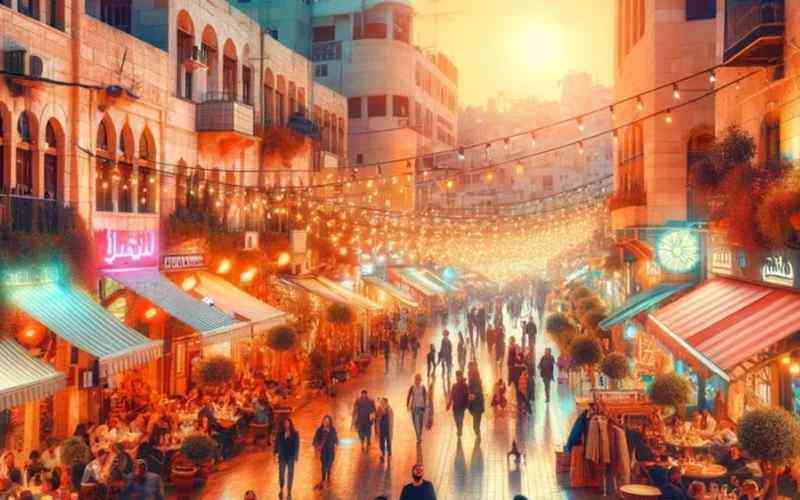
The area becomes especially lively during the late afternoon and evening, when families, shoppers, and groups of friends gather around its restaurants, cafés, markets, and dessert shops.

Visitors should wear comfortable shoes, allow time for unplanned discoveries, and remember that Downtown’s busy streets and steep stairways are part of the experience.

Visit the Amman Citadel

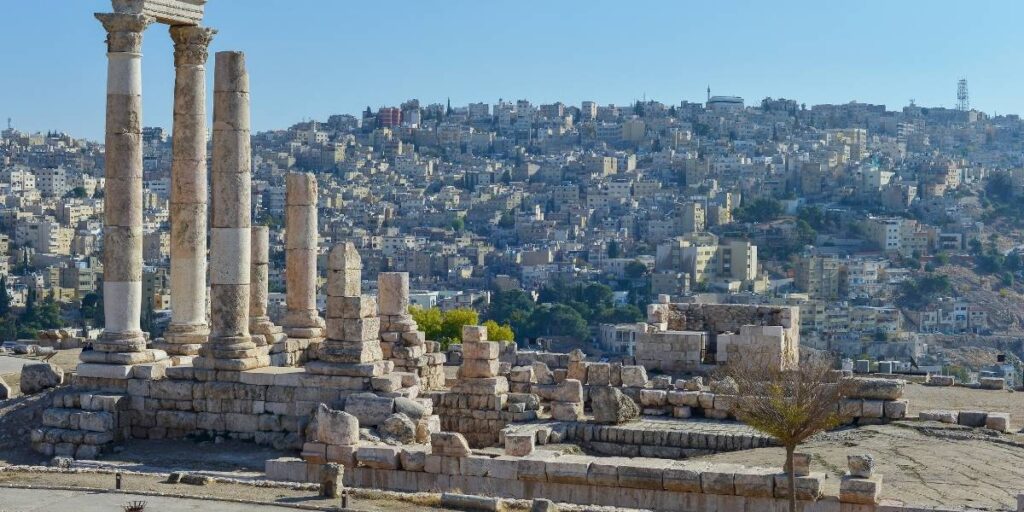
Among the Citadel’s most recognizable landmarks are the remaining columns of the Temple of Hercules, the Umayyad Palace complex, the Byzantine Church, and the Jordan Archaeological Museum.

Rising above Downtown Amman on Jabal Al Qal’a, the Amman Citadel is one of the capital’s most important archaeological sites and an essential destination for first-time visitors.

The hill has witnessed many of the civilizations that shaped Amman, leaving behind monuments from the Roman, Byzantine, and Umayyad periods. Walking through the site reveals how the city developed across thousands of years while continuing to grow around the ancient hill.

Ancient stone columns and ruins in the foreground with a densely built hillside city in the background, under a clear blue sky.
Downtown Amman

The Citadel

Step into the pages of history at The Citadel, where every stone tells a story and every view captivates the soul. Perched majestically on…
View Place

The Temple of Hercules is one of the site’s most photographed monuments, with its towering columns standing above the surrounding ruins. Nearby, the Umayyad Palace offers a different architectural experience through its restored audience hall, courtyards, and remains of the historic administrative complex.

The Citadel also provides some of the best panoramic views in Amman. From its elevated position, visitors can see the Roman Theater, Downtown, the city’s densely built hills, minarets, traditional houses, and modern neighborhoods stretching into the distance.

Late afternoon is an especially rewarding time to visit, when the sunlight softens and the white-stone buildings across Amman begin to change color. Visitors interested in photography may wish to remain until shortly before sunset.

Allow at least one to two hours to explore the ruins, visit the museum, enjoy the viewpoints, and appreciate the historical layers of Jordan’s capital.

Wear comfortable walking shoes and bring water during warmer months. The archaeological paths include stone surfaces, steps, and exposed areas with limited shade. The Citadel’s principal monuments include the Temple of Hercules, Umayyad Palace complex, and Byzantine Church, according to Jordan’s official tourism guide. Visit Jordan

Visit the Roman Theater

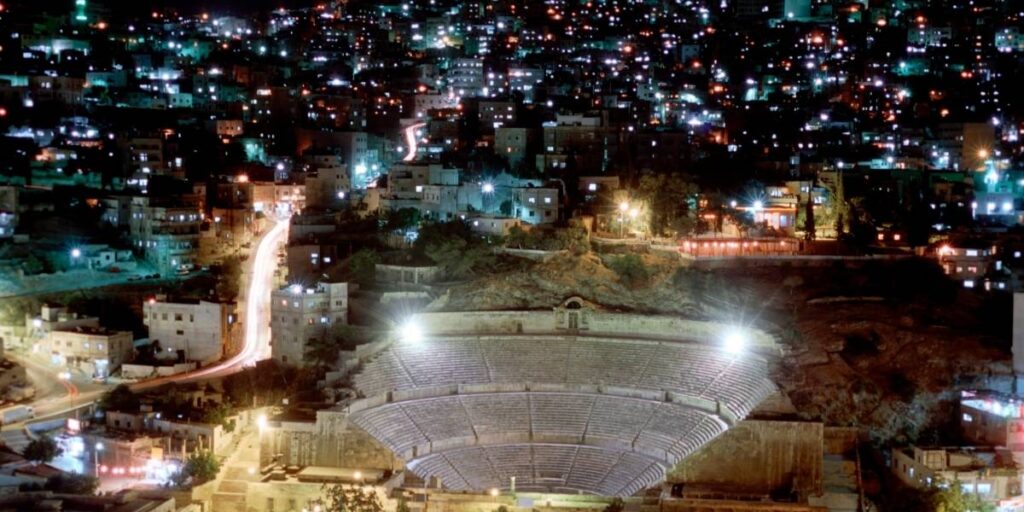
Located at the foot of the hills of Downtown Amman, the Roman Theater is one of the city’s most recognizable historical landmarks and an enduring symbol of its ancient past.

Built into the hillside during the Roman period, the theater was designed to accommodate thousands of spectators. Its steep rows of stone seating rise above the stage and offer impressive views of the surrounding Downtown area.

Visitors can walk through the lower stage area and climb the seating levels for a closer look at the theater’s scale, architectural design, and relationship with the city around it. The upper sections provide excellent photography opportunities, although the ancient steps are steep and should be approached carefully.

The theater complex also contains two small museums that add cultural depth to the visit. The Jordan Folklore Museum presents objects connected to traditional life, while the Museum of Popular Traditions displays clothing, jewellery, and cultural items representing communities from Jordan and the wider region.

Nearby stands the Odeon, a smaller Roman performance venue that once hosted musical and cultural gatherings. The Roman Plaza in front of the theater creates an open connection between the archaeological site and the busy streets of modern Downtown Amman.

A visit to the Roman Theater can easily be combined with the Citadel, Al Husseini Mosque, the Nymphaeum, traditional markets, local restaurants, and popular sweet shops.

Allow approximately one hour for the theater and museums, or longer if you plan to continue exploring Downtown on foot.

The stone seating and stairways can be steep and uneven. Wear suitable shoes, move carefully, and avoid climbing to the highest sections if you are uncomfortable with heights.

Walk Along Rainbow Street

Rainbow Street is one of Amman’s most popular cultural and social destinations, combining the historic atmosphere of Jabal Amman with restaurants, cafés, galleries, local shops, heritage buildings, and lively evening experiences.

Visitors can explore the street at a relaxed pace, stop for traditional or specialty coffee, enjoy Jordanian and international food, browse gifts and handicrafts, and discover the smaller streets and stairways surrounding the area.

Rainbow Street also reflects Amman’s growing creative culture. Street art, independent businesses, cultural spaces, and restored buildings give the area a distinctive identity that attracts both local residents and international visitors.

The atmosphere changes throughout the day. Morning visits are generally quieter and better suited to walking and photography, while the late afternoon and evening bring more activity as restaurants, cafés, and rooftop venues begin to fill.

Souq Jara, a seasonal market located nearby, adds local crafts, food stalls, products, and cultural activities to the neighborhood during its operating season.

Rainbow Street’s location makes it easy to combine with other parts of Jabal Amman or continue toward Downtown through the historic stairways connecting the city’s hills.

Parking can be difficult during evenings and weekends. Using a taxi or ride-hailing service may be more convenient, especially if you plan to explore the street on foot.

Discover Jordan’s History at The Jordan Museum

Ras Al Ain

The Jordan Museum

Discover the rich tapestry of Jordan’s history and culture at The Jordan Museum, Nestled in the vibrant downtown area of Ras al-‘Ayn, this remarkable…
View Place

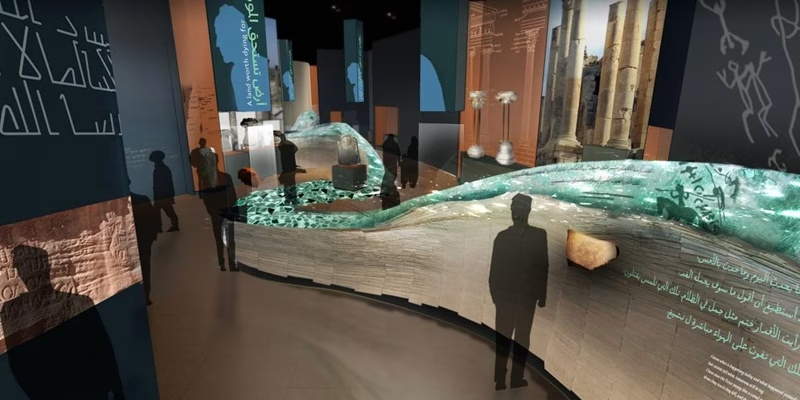
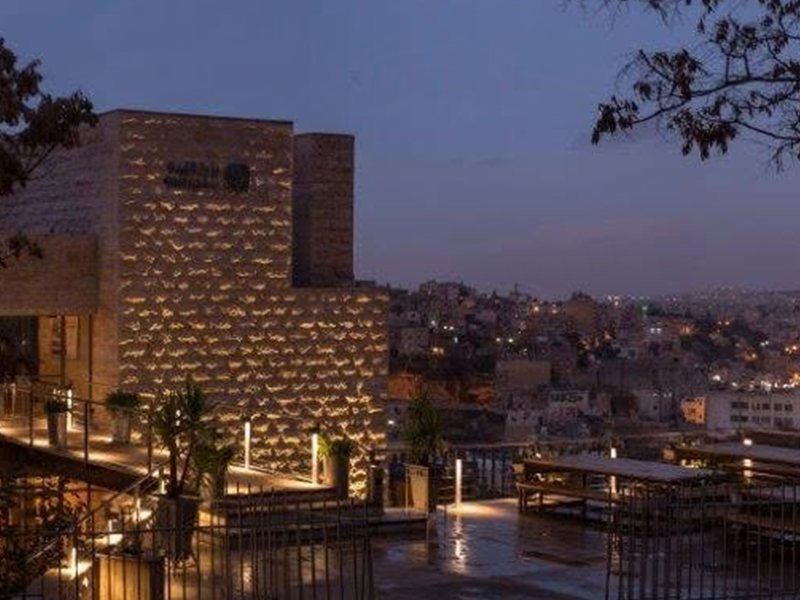
Located in Ras Al Ain, The Jordan Museum offers one of the most comprehensive introductions to the history, archaeology, and cultural heritage of the Kingdom.

Its exhibitions take visitors through Jordan’s human story from prehistoric communities and early settlements to the civilizations, cultural traditions, and historical events that shaped the country.

Among the museum’s most significant displays are the ancient Ain Ghazal statues, which provide a remarkable connection to some of the earliest settled communities in the region.

The collections also include archaeological discoveries, manuscripts, everyday objects, and exhibits representing different periods of Jordan’s history.

Clear displays and carefully organized galleries help visitors place sites such as the Amman Citadel, Petra, Jerash, and the Dead Sea region within a broader historical context. For this reason, the museum is particularly valuable near the beginning of a journey through Jordan.

The modern museum building stands in Ras Al Ain, close to Downtown Amman and several cultural venues. Its location makes it easy to include in a day that also covers the Roman Theater, traditional markets, Jabal Amman, or Rainbow Street.

Allow approximately one and a half to two hours for a comfortable visit, especially if you enjoy archaeology, history, or cultural exhibitions.

Check the museum’s official opening hours before visiting, particularly on Fridays, public holidays, and during Ramadan, as schedules may change.

Explore Jabal Amman and Jabal Al Weibdeh

Jabal Amman and Jabal Al Weibdeh offer a quieter and more creative contrast to the busy streets of Downtown. Both neighborhoods are known for their historic architecture, cultural spaces, art galleries, independent cafés, local restaurants, and streets overlooking the capital’s surrounding hills.

Jabal Amman contains some of the city’s most recognizable heritage buildings and early residential neighborhoods. Walking beyond Rainbow Street reveals stone houses, gardens, stairways, small cultural venues, and viewpoints that reflect an older chapter of Amman’s urban development.

Jabal Al Weibdeh has become one of the capital’s leading artistic and cultural districts. Its tree-lined streets are home to galleries, studios, community spaces, bookshops, cafés, and restaurants that attract artists, students, residents, and visitors.

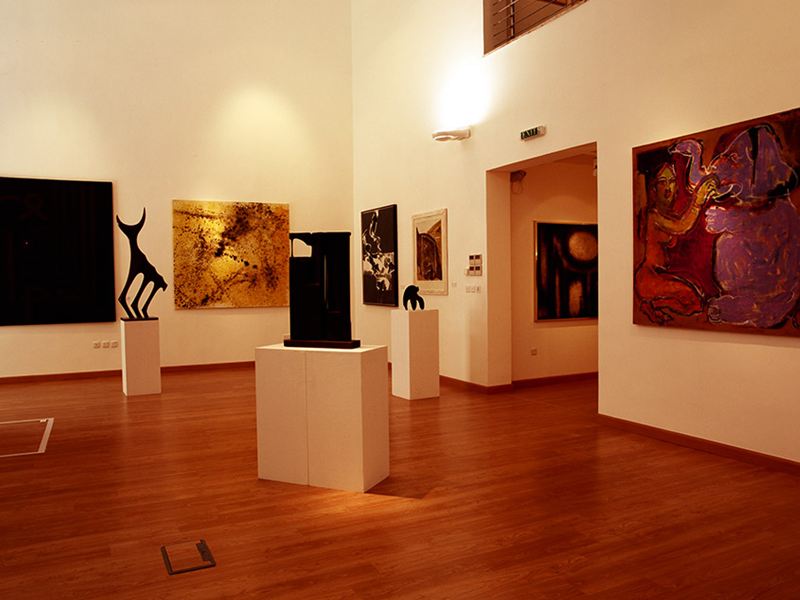
One of the neighborhood’s principal attractions is the Jordan National Gallery of Fine Arts, which showcases modern and contemporary works by artists from Jordan, the Arab world, and other regions.

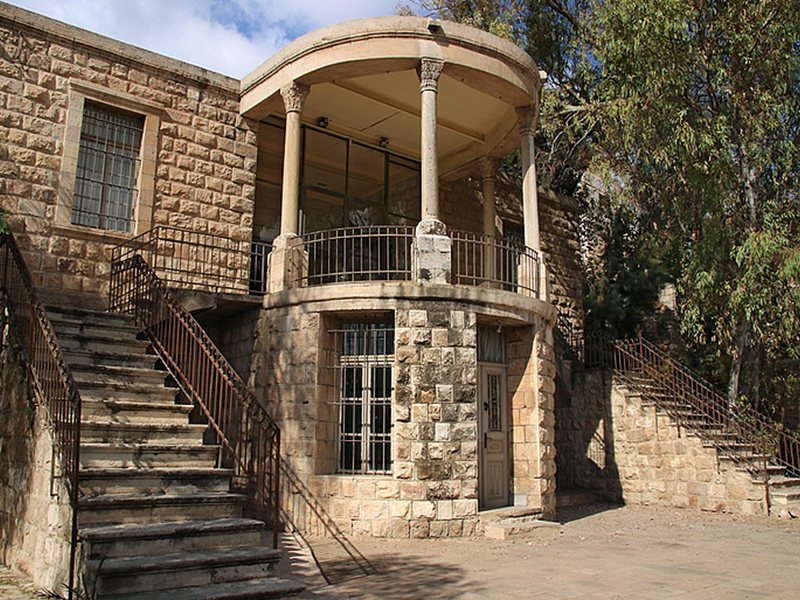
Darat Al-Funun is another important cultural destination. Set within a collection of historic buildings overlooking Downtown, it combines contemporary art exhibitions, traditional architecture, gardens, archaeological remains, and peaceful views of the old city.

These neighborhoods are best explored slowly. Rather than following a strict route, visitors can walk through the side streets, stop at a gallery or café, photograph traditional stone houses, and discover the small details that reveal Amman’s cultural personality.

The neighborhoods contain hills, stairways, and narrow streets. Wear comfortable shoes and allow extra time for walking, photography, gallery visits, and café stops.

Experience Jordanian Food Culture

Food is one of the most enjoyable ways to experience Amman and understand the warmth of Jordanian hospitality. Across the city, visitors can discover everything from simple street food and traditional family meals to modern interpretations of local cuisine.

Begin with a classic Jordanian breakfast of falafel, hummus, foul, fresh bread, olives, pickles, and hot tea. Downtown Amman is especially popular for this experience, with well-known restaurants and small local eateries serving food from early morning until late in the evening.

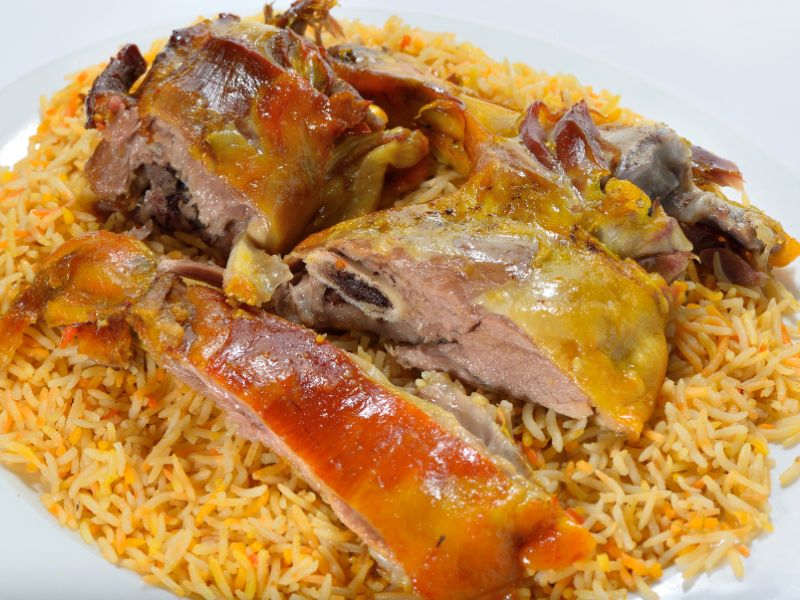
For a deeper introduction to Jordanian cuisine, try mansaf, the country’s national dish, traditionally prepared with lamb, rice, and jameed. Other popular choices include grilled meats, maqluba, musakhan, stuffed vegetables, shawarma, and mezze dishes shared around the table.

Amman is also known for its bakeries and sweet shops. Visitors can enjoy kunafa, baklava, warbat, qatayef during Ramadan, and many varieties of traditional Arabic sweets. A visit to a busy sweet shop after dinner is part of the city’s social experience.

Dining in Amman is not limited to traditional food. The capital offers restaurants representing cuisines from across the Middle East and around the world, alongside contemporary Jordanian concepts, vegetarian choices, casual cafés, rooftop dining, and family-friendly restaurants.

Whether you choose a small Downtown restaurant or a refined dining venue in one of the city’s modern districts, allow time to enjoy the meal. In Jordan, food is closely connected with hospitality, conversation, and sharing.

Ask about portion sizes before ordering, as many Jordanian dishes are designed for sharing. If you have allergies or dietary restrictions, confirm the ingredients directly with the restaurant.

Enjoy Amman’s Cafés and Rooftop Views

Café culture is an important part of everyday life in Amman. Across the city, cafés serve as places to meet friends, work, relax, enjoy music, and spend long evenings over coffee, tea, desserts, and light meals.

Visitors can choose between traditional cafés serving Arabic or Turkish coffee, tea, and shisha, and modern specialty coffee shops offering carefully prepared drinks in contemporary surroundings.

Downtown contains some of the city’s liveliest traditional cafés, while Jabal Amman and Jabal Al Weibdeh are known for independent coffee shops, cultural cafés, garden seating, and relaxed creative spaces.

Because Amman is built across a landscape of hills, rooftop cafés and restaurants have also become a distinctive part of the city’s identity. Many offer wide views of the capital’s white-stone buildings, minarets, historic neighborhoods, and lights extending across the surrounding hills.

Late afternoon is an ideal time to choose a rooftop venue. Visitors can watch the colors of the city change before sunset and remain as Amman’s evening lights begin to appear.

Café experiences in Amman range from quiet morning coffee to energetic social evenings. Choosing cafés in different neighborhoods is an easy way to experience the changing personality of the city.

Logo with a stylized lightbulb shape containing a coffee cup and the word JAFRA, five stars beneath on a textured beige background.
Downtown Amman

Jafra Café

Jafra Restaurant & Cafe – Downtown Amman Located in the heart of Downtown Amman (Al Balad), Jafra Restaurant & Cafe is a distinctive destination…
View Place

Some traditional cafés and rooftop venues offer shisha and may have smoking areas. Check the seating options in advance if you prefer a smoke-free environment.

Explore Amman’s Museums and Family Attractions

Beyond its archaeological sites, Amman has several museums and educational attractions that introduce visitors to Jordan’s modern history, culture, technology, and family life.

The Royal Automobile Museum presents an important part of Jordan’s history through vehicles connected with the Hashemite Royal Family. Its collection includes classic cars, motorcycles, ceremonial vehicles, and rare automobiles associated with different stages of the Kingdom’s development.

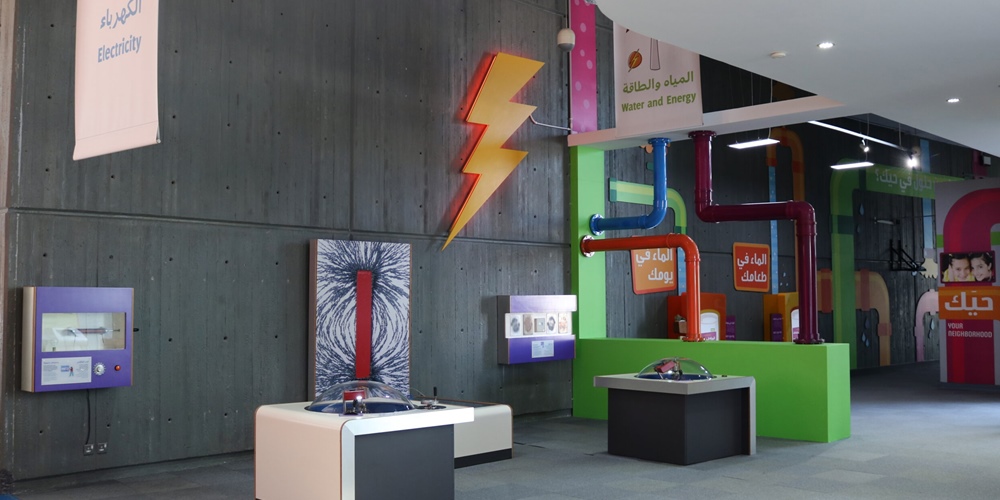
Nearby, the Children’s Museum Jordan offers an interactive environment designed for learning through exploration and play. Its indoor and outdoor exhibits introduce children to science, technology, nature, art, and everyday life through hands-on activities.

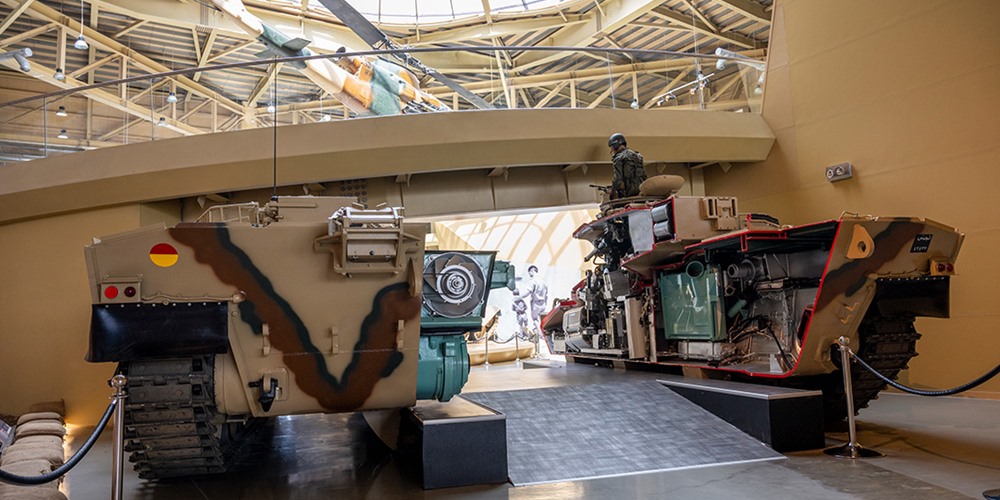
The Royal Tank Museum provides another distinctive experience. Its large exhibition halls display historic military vehicles and present military history through carefully designed scenes, multimedia displays, and chronological storytelling.

Families can combine the Royal Automobile Museum and Children’s Museum with time at Al Hussein Public Parks, where open spaces and recreational facilities provide a break from the city’s busier districts.

These attractions are especially useful during very hot, cold, or rainy weather, when indoor activities may be more comfortable than extended outdoor sightseeing.

8th Circle

Royal Automobile Museum

Discover the remarkable journey of Jordan’s history at the Royal Automobile Museum, A humble tribute founded in 2003 under the esteemed patronage of His…
View Place
8th Circle

The Children’s Museum

Welcome to The Children’s Museum, a cherished non-profit educational institution founded by Her Majesty Queen Rania Al Abdallah in 2007. Spanning over 8000 m²,…
View Place

Check each museum’s official opening days and hours before visiting. Some museums close on a specific weekday, and schedules may change during public holidays or Ramadan.

Discover the Modern Side of Amman at Abdali

After exploring the ancient ruins, traditional markets, and historic neighborhoods of Amman, visit Abdali to experience the capital’s modern urban character.

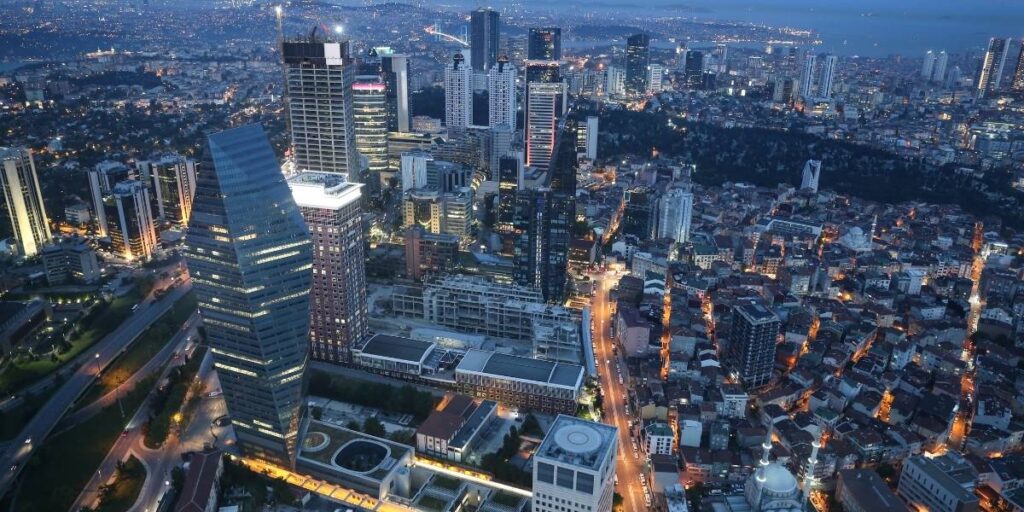
The district combines contemporary architecture, hotels, offices, residences, shopping, restaurants, cafés, entertainment, and pedestrian-friendly public spaces. Its modern skyline creates a striking contrast with the densely built hills and traditional stone buildings of older Amman.

The Boulevard is one of the area’s most recognizable destinations. This pedestrian promenade is lined with restaurants, cafés, shops, hotels, and outdoor seating, and it frequently becomes more active during evenings and seasonal events.

Nearby, Abdali Mall offers shopping, dining, cinema, and indoor entertainment in a modern setting. The area is convenient for visitors looking to combine shopping with a meal, coffee, or an evening walk.

Abdali is especially attractive after sunset, when the buildings, storefronts, and pedestrian spaces are illuminated. The atmosphere is modern and lively while remaining suitable for families, couples, and groups of friends.

Visiting Abdali after Downtown helps travelers understand the contrast that defines Amman: a capital where archaeological landmarks, traditional neighborhoods, and contemporary development exist only a short distance from one another.

Abdali Mall logo: blue and dark triangular mosaic forming a pyramid, with 'Abdali Mall' in English and Arabic to the right.
Abdali Boulevard

Abdali Mall

Abdali Mall sits at the heart of Amman’s modern Abdali district, making it particularly interesting for travelers because a mall visit can easily be…
View Place
Aerial view of a illuminated city skyline at dusk with tall modern buildings and glowing streets below
Al Abdali

Abdali Boulevard

Abdali Boulevard is one of Amman’s most modern and vibrant urban destinations, bringing together restaurants, cafés, shopping, hotels, entertainment, offices, and contemporary city life…
View Place

The Boulevard and Abdali Mall become busier during evenings, weekends, holidays, and special events. Arrive earlier if you prefer a quieter visit or easier parking.

Visit Amman’s Religious and Architectural Landmarks

Amman’s mosques and churches reflect the city’s spiritual life, architectural heritage, and long tradition of coexistence. Visiting these landmarks offers travelers another way to understand Jordanian society beyond its archaeological sites and commercial districts.

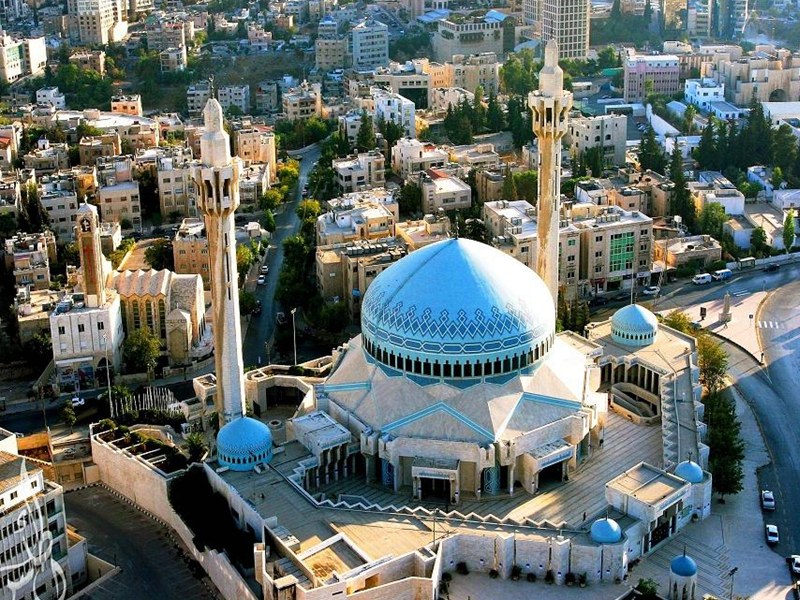
The King Abdullah I Mosque is one of the capital’s most recognizable religious buildings. Its large blue mosaic dome, spacious courtyard, and Islamic architectural details make it a prominent landmark in modern Amman.

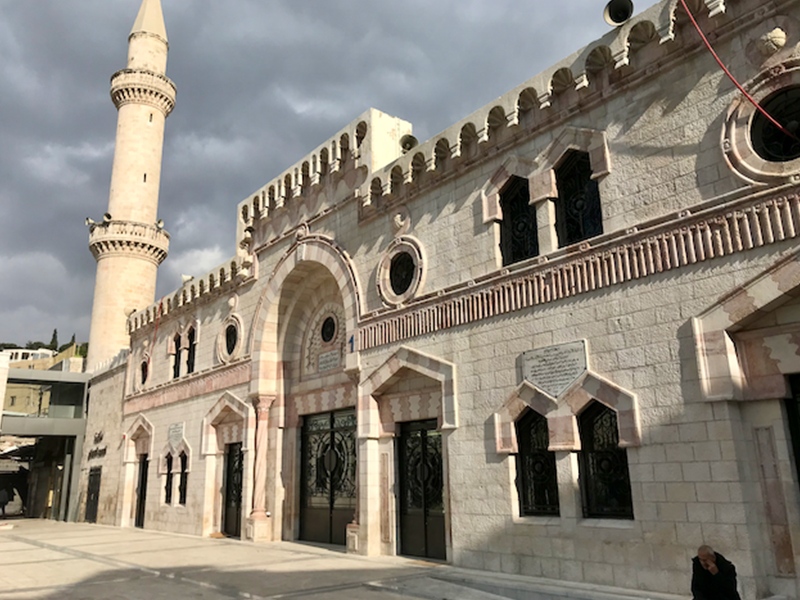
In Downtown, Al Husseini Mosque stands at the center of Al Balad’s daily activity. Surrounded by markets, shops, restaurants, and busy streets, the mosque is closely connected with the social and commercial life of old Amman.

Visitors can also discover historic churches in Jabal Amman, Al Ashrafiyeh, and other neighborhoods. Mosques and churches often stand within the same urban landscape, reflecting the shared history and religious diversity of the capital.

Religious buildings remain active places of worship rather than conventional tourist attractions. Visitors should enter quietly, dress respectfully, avoid interrupting prayers or services, and ask permission before photographing people.

Opening access may vary according to prayer times, religious occasions, services, and local arrangements. Visitors should confirm whether entry is permitted before planning a visit inside.

Wear modest clothing that covers the shoulders and knees. Women may be asked to cover their hair when entering a mosque. Remove your shoes where required and avoid visiting during congregational prayers unless attending for worship.

Stone mosque with a tall minaret on the left, arched entrance and decorative windows along a sunlit facade.

Grand Husseini Mosque

Discover the architectural marvel of the Grand Husseini Mosque, a historical gem built by the late King Abdullah I in 1924. Nestled in the…
View Place
Aerial view of a blue-domed mosque with tall minarets in a dense cityscape of low-rise buildings.

King Abdullah I Mosque

Discover the majestic beauty of the King Abdullah I Mosque, a stunning tribute to heritage and faith. Built by the Late King Hussein in…
View Place

How to Spend One or Two Days in Amman

Amman’s hills, traffic, and widely distributed attractions make thoughtful planning important. Grouping nearby places together will reduce travel time and create a more enjoyable experience.

One Day in Amman

Begin the morning at the Amman Citadel before the day becomes warmer and busier. Explore the Temple of Hercules, Umayyad Palace, archaeological museum, and panoramic viewpoints overlooking the city.

Continue to the Roman Theater and walk through Downtown Amman. Explore the traditional markets, visit Al Husseini Mosque from the surrounding public area, and stop for a local lunch of falafel, hummus, shawarma, grills, or mansaf.

During the afternoon, visit The Jordan Museum in Ras Al Ain to gain a deeper understanding of the country’s history and archaeological heritage.

Finish the day in Jabal Amman. Walk along Rainbow Street, explore the surrounding heritage streets, and choose a café, restaurant, or rooftop venue for sunset and dinner.

Two Days in Amman

Follow the first-day route through the Citadel, Roman Theater, Downtown, The Jordan Museum, and Rainbow Street.

Begin the second day in Jabal Al Weibdeh, where you can visit the Jordan National Gallery of Fine Arts, explore Darat Al-Funun, walk through the neighborhood, and stop at one of its independent cafés.

Continue to the Royal Automobile Museum, Children’s Museum Jordan, or Royal Tank Museum according to your interests and the ages of those traveling with you.

In the evening, visit Abdali and The Boulevard for modern architecture, shopping, dining, and a relaxed pedestrian experience.

Travelers with additional time can explore more local neighborhoods or take a day trip from Amman to Jerash, Al Salt, Madaba, Mount Nebo, the Dead Sea, or the Desert Castles.

Avoid combining too many distant attractions in one day. Allow extra time for traffic, parking, walking on hills, meals, and unexpected discoveries.

Practical Tips for Exploring Amman

A little preparation can make exploring Amman easier and more enjoyable, especially for first-time visitors.

Getting Around

Taxis and ride-hailing applications are commonly used for moving between neighborhoods. Walking is enjoyable within areas such as Downtown, Rainbow Street, Jabal Amman, and Jabal Al Weibdeh, but traveling between distant districts usually requires transportation.

Amman is built across steep hills, and places that appear close on a map may involve long climbs, stairways, or busy roads.

Traffic and Travel Time

Traffic becomes heavier during morning and afternoon commuting hours. Allow extra time when traveling between Downtown, western Amman, Abdali, museums, and residential districts.

Whenever possible, group nearby attractions together instead of crossing the city several times in one day.

Clothing and Footwear

Comfortable walking shoes are essential for archaeological sites, Downtown streets, hills, and stairways. Modest, practical clothing is suitable throughout the city and particularly important when visiting religious buildings.

Amman’s weather can change between daytime and evening, so carrying a light jacket is useful during cooler seasons and summer nights.

Money and Payments

Cards are accepted at many hotels, malls, restaurants, and modern businesses, but carrying some Jordanian dinars is helpful for taxis, markets, small shops, traditional restaurants, and minor purchases.

Opening Hours

Opening hours vary between archaeological sites, museums, restaurants, shops, and seasonal attractions. Confirm current schedules before visiting, particularly on Fridays, public holidays, and during Ramadan.

Photography

Amman offers excellent opportunities for street, architectural, food, and panoramic photography. Always ask permission before photographing people, private businesses, security locations, or the interior of religious buildings.

Local Hospitality

Jordanians are known for their hospitality and willingness to help visitors. A friendly greeting and respectful attitude can lead to warm conversations and memorable experiences throughout the city.


Do not try to experience Amman only through a car window. Choose one neighborhood, walk slowly, explore its side streets, and allow time for an unplanned coffee, meal, or conversation.

Frequently Asked Questions About Visiting Amman

Yes. Amman offers archaeological landmarks, museums, traditional markets, Jordanian food, historic neighborhoods, art galleries, cafés, modern shopping, and welcoming local experiences. It also provides valuable cultural context before visiting other destinations in Jordan.

Two full days provide a comfortable introduction to the capital. One day is enough for major landmarks such as the Citadel, Roman Theater, Downtown, and Rainbow Street, while a second day allows time for museums, galleries, local neighborhoods, and modern Amman.

Individual neighborhoods can be explored on foot, particularly Downtown, Rainbow Street, Jabal Amman, and Jabal Al Weibdeh. However, the city as a whole is spread across steep hills, so transportation is usually necessary when moving between distant areas.

The Amman Citadel, Roman Theater, Downtown markets, The Jordan Museum, Rainbow Street, Jabal Amman, and Jabal Al Weibdeh provide an excellent introduction to the city’s history and contemporary culture.

Popular choices include mansaf, falafel, hummus, foul, shawarma, grilled meats, maqluba, mezze, kunafa, baklava, and other traditional Jordanian and Arabic sweets.

Morning is ideal for archaeological sites, museums, markets, and walking. Late afternoon and evening are well suited to Rainbow Street, cafés, rooftop venues, restaurants, Abdali, and city views.

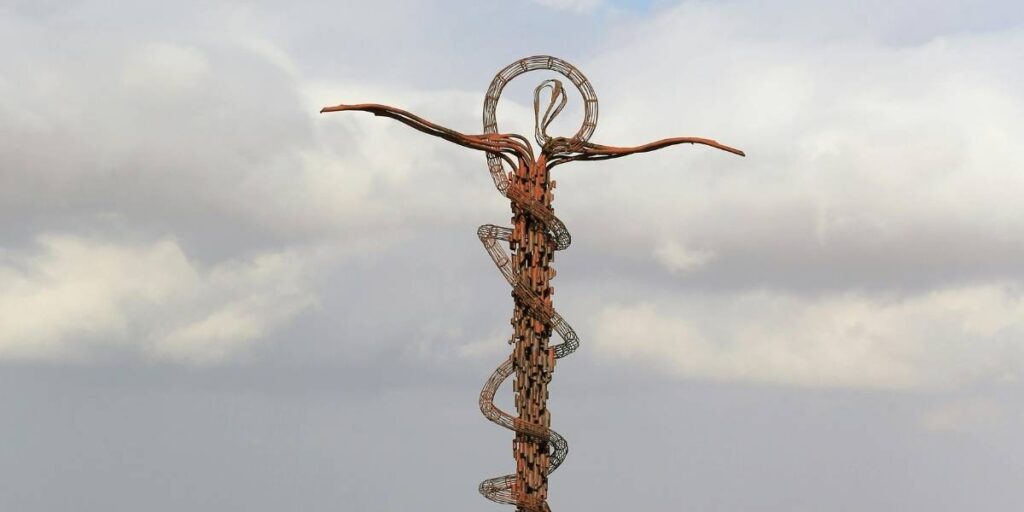
Yes. Amman is a convenient base for visiting destinations such as Jerash, Al Salt, Madaba, Mount Nebo, the Dead Sea, the Baptism Site, and the Desert Castles. Travel time depends on traffic, route, and transportation.

Experience Amman Beyond the Landmarks

Amman is not a city that reveals itself through a single attraction. Its character emerges gradually through ancient ruins, crowded markets, hillside neighborhoods, family restaurants, art galleries, cafés, museums, conversations, and views across its white-stone buildings.

The Citadel and Roman Theater introduce visitors to the city’s ancient past, while Downtown presents the energy of everyday life. Jabal Amman and Jabal Al Weibdeh reveal heritage, creativity, and local culture, and districts such as Abdali demonstrate how the capital continues to develop.

Some of the most memorable moments in Amman may happen between planned destinations: discovering a small bakery, walking down an old staircase, sharing tea with a local resident, watching sunset from a rooftop, or hearing the city come alive during the evening.

Take time to explore Amman at a comfortable pace. Look beyond the main roads, visit different neighborhoods, try Jordanian food, and allow space for unexpected discoveries.

Whether Amman is the beginning of your journey through Jordan or a destination in its own right, the capital offers a meaningful introduction to the country’s history, hospitality, culture, and modern identity.
Discover More of Amman with Ordonna

Explore tourist attractions, museums, restaurants, cafés, shopping, entertainment, accommodation, and essential services across Amman through Ordonna.

Use the listings throughout this guide to find detailed information, locations, directions, working hours, and nearby places that can help you plan your visit.

More Places and Destinations You Will Love